
Pruning
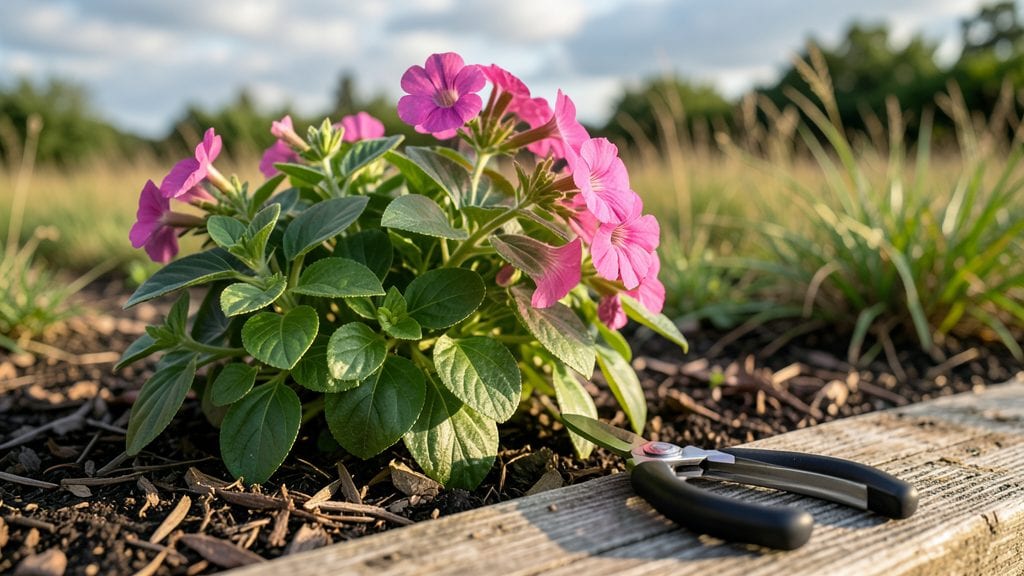
Pruning impatiens plants isn't just about keeping them tidy—it’s the secret to nonstop blooms from spring until frost. 🌿 I’ve turned my shaggy, overgrown impatiens into lush, flowering powerhouses with just two clean cuts a year, and the difference is night and day.
The key? Timing and technique. Most people prune too late or too aggressively, but this method keeps plants happy and productive without stress.
You’ll need sharp bypass pruners, a pair of gloves, and about 15 minutes—that’s it. The real magic happens in early spring and mid-summer, when you snip back leggy stems to encourage bushier growth.
Deadheading spent blooms isn’t required, but it does extend the flowering season. Think of it like giving your plants a haircut: less bulk, more energy for flowers.
After pruning, your impatiens will bounce back with fresh, vibrant foliage and a surge of new blooms within 2-3 weeks. The plants stay compact, resist disease better, and produce flowers until the first hard frost. It’s the kind of care that turns a forgettable patio plant into a showstopper.
Works for both bush and trailing varieties, and the same principles apply whether you’re pruning in containers or garden beds. Ready to transform those straggly stems into blooming machines? Let’s get started.
📚 In This Guide
- What you need
- Instructions
- Tips and common mistakes
- Wrapping up and next steps
What you need
- ● Sharp bypass pruners – 1 pair (sterilized, with clean, sharp blades for precise cuts). Avoid dull tools that crush stems!
- ● Hand pruners or small garden shears – 1 pair (for delicate stems or smaller plants). Look for ergonomic grips to reduce hand fatigue.
- ● Rubbing alcohol (70% or higher) or bleach solution – Small bottle (for sterilizing tools before and after pruning). 1 part bleach : 9 parts water works great!
- ● Garden gloves – 1 pair (nitrile or leather, cut-resistant for protection against thorns or sap).
- ● Disposable gloves or paper towels – Small pack (for handling sap or cleaning tools).
- ○ Pruning saw (optional but helpful) – 1 small handheld saw (only if dealing with thick, woody stems—rare in Impatiens but useful for overgrown plants).
- ● Horticultural oil or neem oil – Small bottle (to treat cuts and prevent disease if needed).
- ● Plant food or fertilizer – Balanced liquid fertilizer (10-10-10 or 20-20-20) (apply after pruning to boost recovery).
- ● Spray bottle with water – Small (to mist leaves and reduce stress on the plant post-pruning).
- ● Garden twine or plant ties – Small roll (if you need to stake or support leggy stems after trimming).
- ● Notebook or camera – 1 (to jot down notes on pruning patterns or capture progress!).
How to prune impatiens for nonstop summer color
Here’s the two-cut method I swear by to keep impatiens blooming until frost—no deadheading required.
✂️ Step 1: First Cut After Initial Blooms
Wait until your impatiens produce their first flush of flowers and start dropping buds. This usually happens 4-6 weeks after planting when stems reach 6-8 inches tall. The goal here is to encourage bushier growth by removing the leggy, overgrown stems that sap energy from new blooms.
Use clean, sharp pruning shears to cut just above a leaf node (the spot where leaves attach to the stem). This forces the plant to branch out rather than grow tall and sparse. I like to make the cut at a 45-degree angle—it helps water bead off the stem instead of pooling and causing rot.
✂️ Step 2: Mid-Season Renewal Cut
About 8-10 weeks after planting, when flowers start slowing down and stems look tired, give impatiens a harder cut. Snip back one-third of the plant’s height—this might mean cutting stems down to 3-4 inches tall. It sounds drastic, but impatiens bounce back fast, and you’ll get a fresh wave of blooms within 2-3 weeks.
Remove any yellow or brown leaves at this stage—they’re energy vampires. Focus cuts on the outer growth rather than the center to maintain an open, airy shape. This prevents fungal issues from trapped humidity.
🌿 Step 3: Light Maintenance Pruning
Throughout the growing season, keep an eye out for spent blooms (those with brown or wilted petals). Pinch them off with your fingers or shears right at the base—no need to leave stubs. This prevents seed formation, which diverts energy from new flowers. I do this every 5-7 days during peak bloom.
Watch for overcrowded stems where leaves rub together. Gently separate them to improve airflow, which cuts down on powdery mildew. If a stem gets leggy between cuts, trim it back to the nearest leaf node immediately—impatiens respond beautifully to regular shaping.
🌱 Step 4: Fall Prep for Next Year
When frost threatens, give impatiens one last light trim to remove any remaining spent blooms or damaged foliage. This keeps the plant looking tidy and reduces overwintering pests. If you’re growing in containers, move them to a sheltered spot before the first 28°F night—impatiens are tender perennials and won’t survive freezing temps.
For garden beds, mulch heavily with 2-3 inches of shredded bark to insulate roots. This protects them from temperature swings and makes spring regrowth faster. I’ve had impatiens come back stronger after winter with just this simple protection.
Tips & tricks for perfect impatiens pruning
Mastering these two-cut techniques transforms impatiens from seasonal bloomers to year-round showstoppers—here’s how to elevate your pruning game.
Timing Secret: The 4-6 week window for your first cut is critical—wait too long and you’ll sacrifice the bushy growth we’re aiming for. I’ve learned this the hard way after watching leggy stems take over my garden beds. Look for that telltale sign: when flowers start dropping buds and stems reach 6-8 inches, it’s time to act. Trust me, those first cuts set the foundation for everything that follows.
Technique Tip: That 45-degree angle cut above the leaf node isn’t just aesthetics—it’s science. The angled cut prevents water from pooling at the stem base, dramatically reducing rot risk. And always cut just above the node where leaves attach; this forces the plant to branch out rather than grow upward. I use my shears to make clean cuts right through the stem—no tearing or crushing the tissue.
Mid-Season Strategy: The 8-10 week renewal cut might seem drastic when you snip back one-third of the plant’s height, but impatiens are resilient. This aggressive pruning triggers a flush of new growth that produces even more blooms. Watch for that 2-3 week recovery period—it’s when the magic happens. I’ve seen plants that looked completely spent come back with vibrant new growth within weeks after this cut.
Maintenance Hack: During peak bloom, I make it a habit to check for spent blooms every 5-7 days. The key is removing them right at the base—no stubs—using either my fingers or clean shears. This simple act prevents seed formation, which would otherwise divert energy away from new flowers. Think of it as redirecting your plant’s energy toward more blooms instead of seed production.
Pro Tips for Pruning Impatiens Plants
- Mastering these two-cut techniques transforms impatiens from seasonal bloomers to year-round showstoppers—here’s how to elevate your pruning game.
- Timing Secret: The 4-6 week window for your first cut is critical—wait too long and you’ll sacrifice the bushy growth we’re aiming for.
- Technique Tip: That 45-degree angle cut above the leaf node isn’t just aesthetics—it’s science.
Frequently asked questions
Got questions about keeping your impatiens lush and blooming? You’re not alone! Here are some of the most common concerns—and straightforward answers—to help you prune like a pro.
When is the best time to prune impatiens for continuous blooms?
Prune impatiens throughout the growing season—not just once! Lightly trim leggy stems in early spring to encourage bushiness, then deadhead spent blooms weekly to redirect energy to new flowers. For a second flush of blooms in late summer, give them a hard prune (cutting back by 1/3) after the first frost if you’re in a mild climate.
How do I know if I’m over-pruning my impatiens?
If your plant looks too bare or stops producing new growth within 2–3 weeks, you may have pruned too aggressively. Impatiens are forgiving, but avoid cutting into woody stems or more than 1/3 of the foliage at once. Focus on removing only dead, diseased, or overly leggy stems to keep them thriving.
Can I prune impatiens after rain or in wet conditions?
Wait until the soil is dry to the touch (usually a day after rain) to prune. Wet conditions can spread fungal diseases like powdery mildew or bacterial leaf spot, which impatiens are prone to. If you must prune after rain, sterilize your shears with rubbing alcohol and avoid working during humid afternoons.
What should I do if my impatiens stop blooming after pruning?
Lack of blooms often means your plant needs more light (6+ hours of sun/day) or balanced fertilizer (use a 10-10-10 or bloom booster every 4–6 weeks). If pruning was recent, give it 2–3 weeks to bounce back. If not, check for pests (like spider mites) or root-bound roots—repot if needed!
Are there alternatives to pruning for keeping impatiens bushy?
Yes! If pruning feels overwhelming, try these tricks:
- Pinching: Snip the tips of new growth (not flowers) to encourage branching.
- Fertilizer tweaks: Use a low-nitrogen, high-phosphorus fertilizer to prioritize blooms over foliage.
- Rotate pots: Turn containers weekly to ensure even light exposure, reducing leggy growth.
Wrapping up and next steps
Pruning your impatiens plants is a simple yet powerful way to keep them thriving and bursting with color all year long! With just two clean cuts, you can encourage bushier growth, more blooms, and healthier foliage.
Remember, timing and technique matter—so grab those sterilized shears and give your plants the care they deserve.
Now that you’re armed with the know-how, go ahead and transform your garden! 🌸 Start with one plant this weekend, and soon you’ll have a lush, blooming paradise. Happy gardening!