
Pruning
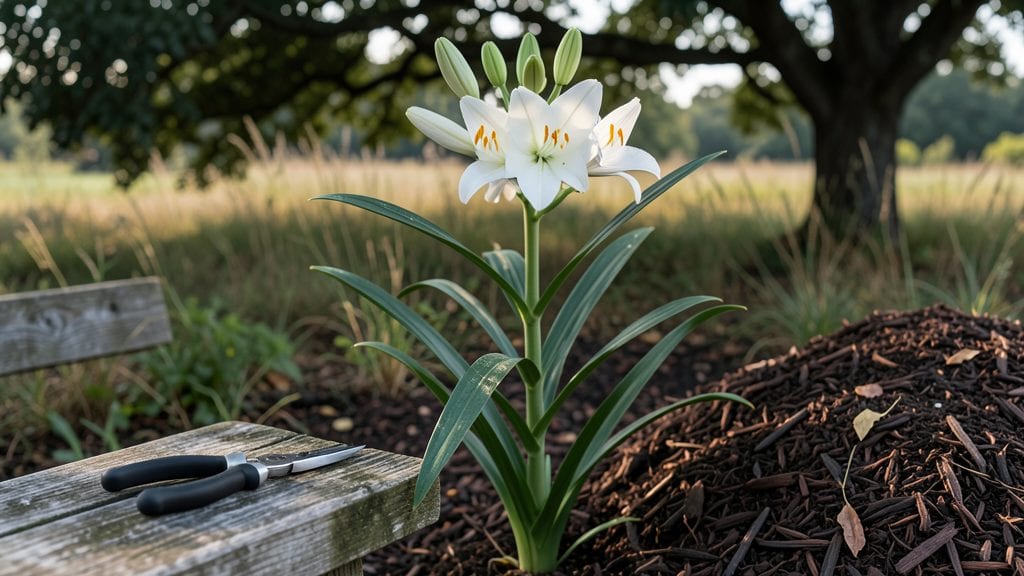
Pruning lily plants after they bloom is the secret to next year’s showstopping flowers—yet I’ve seen gardeners hack off stems too soon and end up with weak growth. The right timing and technique mean more blooms, stronger stems, and lilies that thrive for years.
I’ve pruned Asiatics, Orientals, and daylilies long enough to know the difference between a clean cut and a mistake that sets you back.
You’ll need sharp bypass pruners, a bucket for clippings, and about 20 minutes for a mature plant. The key is waiting until foliage yellows naturally—never before frost—so the bulbs store enough energy.
Daylilies are tougher and can handle mid-season trims, but true lilies need that full cycle. I’ve learned the hard way that cutting too early starves the roots.
After pruning, you’ll notice new shoots pushing through the soil by early spring, often 3-4 inches taller than before. The stems stay sturdy, not leggy, and next summer’s blooms arrive bigger and more abundant.
The foliage might look messy at first, but that’s just the plant redirecting energy to the bulb.
Different lilies have quirks: Asiatics bloom early and need quick cleanup, while Orientals reward patience with dramatic late-season flowers. Daylilies? They’re the low-maintenance stars of the bunch. Stick with these steps, and your lilies will reward you with years of effortless beauty—no black thumb required.
📚 In This Guide
- What you need
- Instructions
- Tips and common mistakes
- Wrapping up and next steps
What you need
- ● Pruning shears or bypass pruners – Choose sharp, sterilized shears (1 pair) with a 4- to 6-inch blade for precision cuts.
- ● Garden gloves – A pair of cut-resistant, breathable gloves (e.g., nitrile-coated) to protect your hands from thorns and dirt.
- ● Disinfectant (70% isopropyl alcohol or bleach solution) – A small spray bottle or wipe to sterilize tools between cuts and prevent disease spread.
- ○ Garden twine or plant ties – A small roll (optional but helpful) to secure stems if pruning heavy blooms.
- ● Garden waste bag or compost bin – A durable bag (1–2 large) to collect pruned foliage and stems.
- ● Watering can or hose with a gentle nozzle – For post-pruning hydration (1–2 gallons of water).
- ● Hand pruners (smaller, for delicate cuts) – Useful for trimming thin stems or leaves without damaging surrounding foliage.
- ● Sharp knife or razor blade – For clean cuts on stubborn stems (sterilize first!).
- ● Plant food or compost tea – A balanced fertilizer (10-10-10) to nourish lilies after pruning.
- ● Safety glasses – If working near thorny varieties like Asiatic or Oriental lilies.
- ● Notebook & pen – To track pruning dates and observe plant progress.
Step-by-Step guide to pruning lily plants
Pruning lilies isn't complicated—just strategic. Follow these steps to keep your plants healthy and blooming beautifully year after year.
Prune Spent Blooms After Flowering
Once your lilies finish blooming, remove the spent flower stalks by cutting them back to the base of the plant. This redirects the plant's energy from seed production to storing nutrients in the bulbs for next year's growth. Use clean, sharp pruners to make a clean cut—never tear the stems, as this can damage the plant.
I like to wait until the flower stalks have fully browned and withered before cutting them back. This ensures all the nutrients have been absorbed back into the bulbs. If you prune too early, you might remove nutrients the plant still needs to finish its cycle.
Cut Back Foliage After It Yellows
In late summer or early fall, after the foliage has turned yellow and died back naturally, it's time to trim it. Cut the leaves back to about 2 inches above the ground using sharp pruners. This step is crucial because leaving dead foliage can harbor pests and diseases over winter.
Don’t rush this step—wait until the leaves are completely yellow and crispy. If you cut them too early, the plant won’t have finished storing energy in the bulbs for next spring. This is especially important for hardy lilies that need to build strength for winter.
Remove Weeds and Debris Around the Base
Clear away any weeds, dead leaves, or debris from the base of the lily plants. This helps prevent fungal diseases and keeps the area clean for next year’s growth. Use a small hand fork or your hands to gently pull weeds without disturbing the bulbs.
I also like to add a 2-inch layer of mulch around the base after cleaning up—this insulates the bulbs in winter and keeps moisture levels steady. Just avoid piling mulch directly against the stems to prevent rot.
Monitor for Pests and Diseases
While pruning, inspect the plants for signs of pests like lily beetles or aphids. Remove any affected leaves or stems immediately and dispose of them in a sealed bag. Healthy lilies are less likely to attract pests, so keeping the area clean is key.
If you notice any brown spots, mold, or unusual growths, trim those areas away and treat with a fungicide if needed. Early intervention prevents small issues from becoming major problems. Most lilies are tough, but a little care goes a long way in keeping them thriving.
Plan for Next Year’s Growth
After pruning, mark the location of your lily bulbs with small stakes or flags if they’re in a mixed border. This helps you remember where they are when it’s time to divide them in 3-4 years—lilies multiply quickly and benefit from occasional separation to prevent overcrowding.
In early spring, before new shoots appear, you can lightly fertilize the area with a balanced 10-10-10 fertilizer to encourage strong growth. Just sprinkle it around the base and water it in—no need to dig. This gives your lilies a head start for another season of stunning blooms.
Tips & tricks for pruning lily plants
These simple strategies will help you avoid common mistakes and keep your lilies thriving for years to come.
The Timing Factor: Patience is key when pruning lilies. In Step 1, resist the urge to cut back flower stalks too soon—wait until they're completely brown and withered. This ensures all nutrients have returned to the bulbs. I've learned the hard way that cutting too early can weaken next year's blooms. The same goes for Step 2: those yellow leaves need to stay until they're completely crispy before trimming.
Tool Selection: Using the right tools makes all the difference. Sharp pruners are essential for clean cuts that won't damage plant tissue. I recommend sterilizing your pruners with rubbing alcohol between cuts, especially in Step 4 when dealing with diseased foliage. For larger areas, a small hand fork works great for removing weeds in Step 3 without disturbing the bulbs.
Mulching Wisdom: After clearing weeds and debris in Step 3, don't skip the mulching step. That 2-inch layer acts like a cozy blanket for your bulbs, protecting them from winter's chill. I use shredded bark mulch because it breaks down slowly and improves soil structure over time. Just remember to keep it 2 inches away from the stems to prevent rot.
Pest Prevention: During your pruning in Step 4, treat any signs of pests immediately. I've found that soapy water (a few drops of dish soap in water) works wonders for aphids. For lily beetles, handpicking them off the plants is often the most effective method. The key is to act quickly—don't let small issues become big problems.
Pro Tips for Pruning Lily Plants
- These simple strategies will help you avoid common mistakes and keep your lilies thriving for years to come.
- The Timing Factor: Patience is key when pruning lilies.
- Tool Selection: Using the right tools makes all the difference.
Frequently asked questions
Got questions about pruning lilies? You’re not alone! Here are answers to the most common concerns—so you can keep your lilies thriving with confidence.
When is the best time to prune lilies?
Prune lilies after they’ve finished blooming in late summer (August–September) or in early spring (March–April) before new growth emerges. Avoid pruning in winter—dormant plants are more vulnerable to disease. If you spot dead or damaged foliage anytime, trim it immediately to prevent pests.
Should I prune lilies in winter?
No, winter is not the ideal time to prune lilies. Their energy is focused on root development, and cutting back too early can stress the plant. Wait until spring or post-bloom to prune. If you’re in a cold climate, leave the foliage until it naturally yellows (a sign the plant is storing energy for next year).
What if I cut the leaves too early?
Trimming leaves too early (before they yellow) robs lilies of nutrients they need to fuel next year’s blooms. If you’ve already cut back prematurely, don’t panic—just leave the remaining foliage until it dies back naturally. For future pruning, wait until 80% of the leaves have browned before cutting.
Can I prune lilies differently for different varieties?
Most lilies (Asiatic, Oriental, Trumpet, etc.) follow the same pruning rules, but daylilies (Hemerocallis) are a different story—they’re not true lilies and should be pruned in late fall or early spring. For hybrid lilies, focus on removing spent blooms and seed pods immediately to redirect energy to foliage growth.
What if my lilies still look unhealthy after pruning?
Unhealthy lilies might need more than pruning! Check for pests (aphids, slugs), disease (fungus, rot), or poor soil. If the problem persists, amend the soil with compost, ensure 6+ hours of sunlight, and water at the base (not the leaves) to prevent fungal issues. If roots are mushy or black, your lilies may need replanting.
Wrapping up and next steps
Pruning your lily plants doesn’t have to be intimidating—it’s all about timing, technique, and a little patience! 🌸 By following seasonal trims, you’ll encourage stronger growth, bigger blooms, and fewer pests.
Whether you’re a beginner or a seasoned gardener, these steps will help you keep your lilies thriving for years to come.
Now that you’re equipped with the know-how, grab your pruners and get ready to transform your garden! Start with just one plant, observe the results, and soon you’ll be a pruning pro. Happy gardening! 🌱