
Pruning
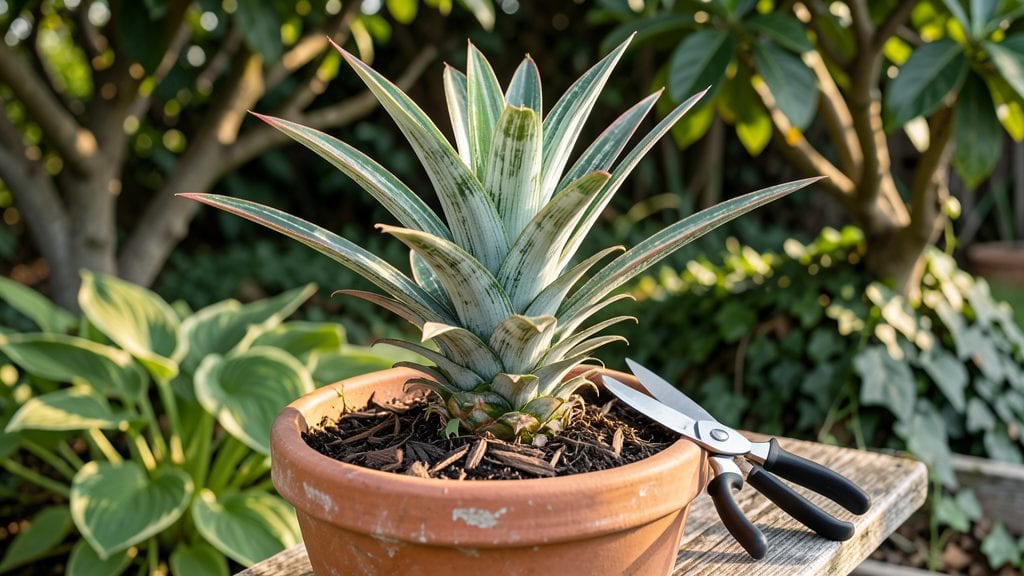
Pruning pineapple plants isn't just about tidying up—it’s the key to doubling your fruit size and keeping your plant thriving for years. After my first pineapple finally ripened, I noticed the plant had sent out wild suckers everywhere, draining energy from the main stem.
That’s when I learned the simple cuts that transform a scraggly plant into a productive powerhouse.
You’ll need just three tools: sharp pruning shears, rubbing alcohol for sterilizing, and a clean bucket for collecting cuttings. The process takes about 15 minutes and focuses on three critical cuts—removing dead leaves, controlling suckers, and shaping the plant’s crown.
Whether your pineapple is thriving in a sunny windowsill or a tropical outdoor pot, these steps work the same way.
After pruning, your plant will redirect energy into the main fruit, producing pineapples that can grow 20-30% larger than unpruned plants. The leaves will stay vibrant green, and new suckers will grow stronger for future harvests. Just avoid cutting into the central stem—this is where the next fruit will form.
This method works for both indoor and outdoor pineapples, though outdoor plants may need more frequent pruning due to faster growth. The key is patience: a well-pruned pineapple can produce fruit every 18-24 months instead of the usual 2-3 years. Ready to turn your plant into a fruit-producing machine?
📚 In This Guide
- What you need
- Instructions
- Tips and common mistakes
- Wrapping up and next steps
What you need
- ● Sharp pruning shears or bypass pruners: Choose sterilized, high-quality shears with a 4- to 6-inch blade (avoid dull tools—they crush stems!). Pro tip: 💡 Disinfect blades with rubbing alcohol before and after use to prevent disease.
- ● Clean, sharp knife or razor blade: For precision cuts on smaller leaves or suckers (e.g., X-Acto knife or utility knife).
- ○ Gloves: Heavy-duty gardening gloves (e.g., nitrile-coated) to protect against sap and thorns. Optional: Cut-resistant gloves if your pineapple plant is particularly spiky!
- ● Rubbing alcohol (70% or higher) or bleach solution: 1 part bleach to 9 parts water for sterilizing tools.
- ○ Pruning sealant (optional but recommended): A tree wound sealant (e.g., Tanglefoot Tree Wound Pruning Sealer) to coat cut surfaces and prevent rot.
- ● Disposable bags or container: For collecting pruned leaves/suckers (compost or discard).
- ● Healthy pineapple plant: Prune only when the plant is mature (12+ months old) and shows signs of overgrowth (e.g., multiple suckers or crowded leaves).
- ● Dry weather: Aim to prune on a sunny, dry day to allow cuts to dry quickly and reduce disease risk.
- ● Patience: Pineapple plants are tough, but rushing can stress them. Take your time!
- ● Hose or spray bottle: For rinsing tools or leaves before pruning.
- ● Gardening twine: To temporarily tie down large leaves if they’re obstructing sunlight.
- ● Plant food (balanced fertilizer): E.g., 10-10-10 NPK to apply 2-4 weeks post-pruning for a growth boost.
- ● Camera or phone: Snap before/after photos to track progress! 📸
Pruning pineapple plants: 3-Step method for bigger fruits and healthier growth
Here's how to prune pineapples like a pro—no fancy tools, just sharp technique for stronger plants.
Identify and Remove Dead or Damaged Leaves
Start by inspecting your pineapple plant for leaves that are brown, yellowed, or completely dried out. These dead leaves drain energy from the plant and can attract pests. Use clean, sharp pruning shears to snip them at the base, cutting just above a healthy leaf or growth point. I always work from the bottom up—this keeps the plant balanced and prevents over-pruning at the top where new growth emerges.
Don’t yank leaves out by hand; this can tear the plant and leave jagged edges that invite disease. If a leaf is only partially damaged, you can trim just the affected section, but remove the entire leaf if more than half is brown or mushy. After pruning, the plant should look tidy with only vibrant green leaves remaining. This step is your foundation—skipping it means wasted energy and slower fruit development.
Trim Overcrowded or Weak Growth
Pineapple plants produce "pups" or offsets around the base, but too many can compete for nutrients, slowing fruit production. Use your pruning shears to carefully remove any pups that are smaller than one-third the size of the main plant. Hold the pup firmly at its base and twist gently—it should pop off cleanly without tearing the main plant. If it resists, use the shears to cut just above the soil line.
You’ll also want to trim any leaves that are growing inward or rubbing against others. These leaves can tear and create entry points for fungus. Aim to leave 8-12 healthy, upright leaves on the main plant—this ensures enough energy for fruit development. After trimming, the plant should have a neat, open shape with room for airflow. This step is where you direct the plant’s energy toward bigger, sweeter fruit.
Prune for Better Airflow and Fruit Development
Focus on the top of the plant where the fruit will form. If the plant has developed a thick, dense crown, trim the oldest, outermost leaves to open up the center. This improves airflow, reducing humidity around the fruit and preventing rot. Use your shears to cut leaves that are crowding the growing tip, but leave enough foliage to shade the fruit as it develops—too much sun can scorch it.
After pruning, step back and admire your work. The plant should now have a balanced shape with 6-8 healthy leaves surrounding the growing tip. Water the plant lightly after pruning to help it recover, but avoid overwatering—pineapples are drought-tolerant and prefer slightly dry soil. This final step ensures your pineapple has the best chance to produce a large, flavorful fruit while staying healthy and pest-free.
Tips & tricks for pruning pineapple plants
Pruning your pineapple plant correctly can transform its growth and fruit production—here's how to maximize every step.
The Tool Factor: Always use clean, sharp pruning shears for a smooth cut. Dull shears can crush leaves and create jagged edges that invite disease. I sterilize my shears with rubbing alcohol before each use—this prevents cross-contamination between plants. For larger plants, you might need strong garden shears, but avoid using scissors or knives that can tear the leaves.
Pruning Strategy: In Step 1, when removing dead leaves, work systematically from the bottom up. This prevents over-pruning at the top where new growth emerges. I like to start with the oldest leaves first—they've already fulfilled their purpose and are just taking energy. Remember, you're not just cleaning up; you're directing the plant's resources toward fruit production.
Pup Management: In Step 2, when dealing with pups, size matters. Remove any smaller than one-third the size of the main plant—these are energy vampires that compete for nutrients. I've learned the hard way that leaving too many pups results in smaller fruit. After removing pups, I always check the base for any remaining stubs and trim those cleanly to prevent regrowth.
Airflow Secret: The goal in Step 3 is to create an open, airy crown. Trim the oldest, outermost leaves to open up the center while leaving enough foliage to shade the developing fruit. I aim for a shape that looks like an open umbrella—this allows sunlight to reach all parts of the plant while preventing humidity buildup that can cause rot. This balance is key to getting that large, flavorful fruit you're after.
Pro Tips for Pruning Pineapple Plants
- Pruning your pineapple plant correctly can transform its growth and fruit production—here's how to maximize every step.
- The Tool Factor: Always use clean, sharp pruning shears for a smooth cut.
- Pruning Strategy: In Step 1, when removing dead leaves, work systematically from the bottom up.
Frequently asked questions
Got questions about pruning pineapple plants? You’re not alone! Here are some of the most common queries—plus clear, actionable answers to keep your plants thriving.
When is the best time to prune pineapple plants?
Prune your pineapple plant after it flowers (when the fruit is harvested) or during its dormant phase in late winter or early spring. Avoid pruning during active growth or extreme heat—this stresses the plant and slows recovery. If you’re removing dead leaves, do it year-round as needed, but time major pruning for cooler, milder weather.
How much of the pineapple plant should I cut off?
Remove only dead, yellow, or brown leaves—never more than ⅓ of the plant’s foliage at once. For suckers (baby plants), snip them off at the base if you want to propagate them, but leave 1–2 healthy leaves attached to the mother plant. Over-pruning weakens the plant and reduces its ability to produce fruit.
Can I prune pineapple plants if they’re not flowering yet?
Yes, but focus on maintenance pruning—removing only damaged or diseased leaves. Avoid heavy pruning before flowering, as it can delay or prevent fruit production. If your plant is young (under 18 months), prioritize healthy growth over pruning. Wait until it’s mature and shows signs of flowering (like a long stalk emerging) before doing major cuts.
What should I do with the pruned leaves or suckers?
Use pruned leaves as mulch (they break down quickly) or compost them. Suckers can be replanted to grow new pineapple plants! Simply separate them carefully, let the cut ends dry for a day, then plant them in well-draining soil. Keep them lightly watered until they establish roots—usually within 4–6 weeks.
My pineapple plant looks sad after pruning. What went wrong?
If your plant wilts, yellows excessively, or stops growing after pruning, you likely cut too much. Pineapples are tough but sensitive to stress. Fix it by:
- Reducing water for 1–2 weeks to prevent rot.
- Fertilizing lightly with a balanced 10-10-10 formula.
- Avoiding pruning for at least 3–4 months to let it recover.
Wrapping up and next steps
Pruning your pineapple plants might seem like a small task, but it’s a game-changer for bigger, sweeter fruits and a thriving garden! 🌱 By removing dead leaves, trimming excess growth, and encouraging new shoots, you’re setting your plants up for success.
With just a little effort, you’ll enjoy healthier plants and a bountiful harvest.
Ready to take the next step? Start today—grab your shears, follow the steps, and watch your pineapple plants flourish! And if you’re feeling ambitious, why not share your progress with fellow gardeners? Happy pruning! 🌟