
Planting
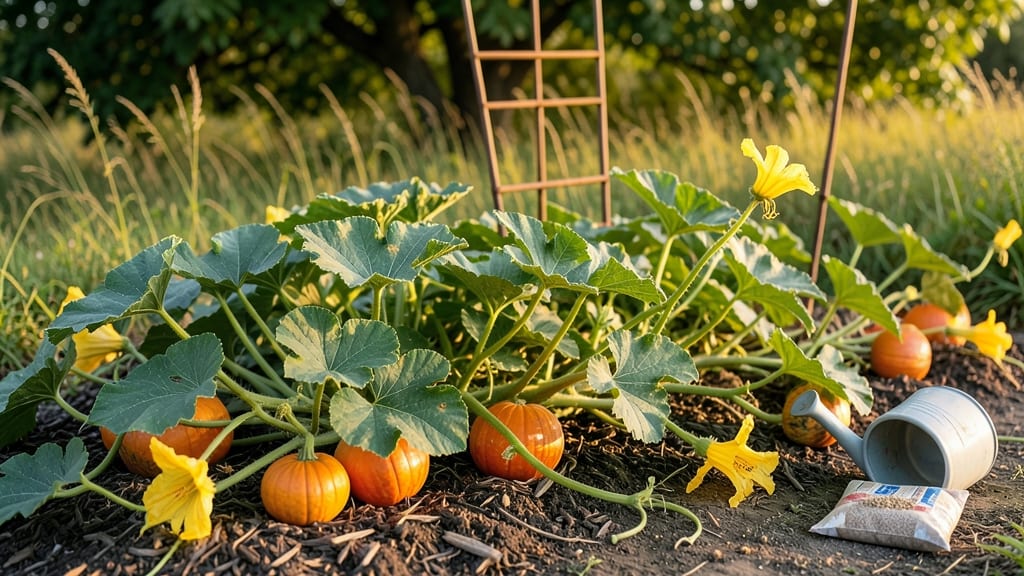
A pumpkin plant holder must use durable materials like wood or metal, provide 12-18 inches of depth for vines, and include drainage holes while maintaining stability for heavy fruit growth.
A pumpkin plant holder isn't just a container—it's the foundation for your harvest's success. 🌱 Heavy pumpkins can weigh 20-50 pounds each, so your container must handle that weight without tipping.
I recommend cedar or redwood for natural resistance to rot and pests, while galvanized metal offers longevity but requires proper drainage to prevent rust. The depth matters too: pumpkin vines spread aggressively, so a shallow tray will leave roots cramped and stressed.
For trellis setups, aim for 18 inches of depth to accommodate sprawling vines while keeping the fruit elevated off damp soil.
Proper spacing between plants is just as critical—crowding leads to disease and poor fruit development. If you're growing multiple pumpkins, space holders at least 3-4 feet apart to allow airflow.
I've found that adding a 1-2 inch layer of gravel at the bottom improves drainage while preventing soil compaction over time. The right holder transforms a simple garden plot into a thriving pumpkin patch with minimal effort.
💡 In This Article
- Material Choices for Pumpkin Plant Holders
- Optimal Pumpkin Plant Holder Dimensions
Material choices for pumpkin plant holders
Wood emerges as the most popular choice for pumpkin plant holders because of its natural breathability and warmth, which mimics ideal growing conditions. Cedar and redwood, in particular, resist rot and insect damage thanks to their high tannin content—cedar contains 3-5% tannins, while redwood has natural antimicrobial properties.
These woods also maintain a consistent temperature, preventing the soil from overheating during summer afternoons or freezing in early fall. The downside? Untreated wood requires sealing every 1-2 years to prevent moisture absorption and warping.
Metal containers, especially galvanized steel or aluminum, offer unmatched durability and weight capacity—critical when supporting 20-50 pound pumpkins. The galvanization process adds a zinc coating that prevents rust for 10-15 years under normal conditions. However, metal conducts heat rapidly, which can stress roots if soil temperatures fluctuate.
To mitigate this, add a 2-inch layer of straw mulch around the base to insulate the soil. Fabric grow bags, while lightweight and portable, struggle with moisture control—pumpkin roots need consistent dampness, and synthetic fabrics can dry out too quickly unless you water daily during hot spells.
Here's what actually happens when you choose the wrong material: Wood left untreated will develop mold within 6-12 months, while metal without proper drainage holes will rust from the inside out, compromising structural integrity.
Fabric grow bags may seem convenient, but their lack of rigidity forces vines to sprawl uncontrollably, increasing the risk of disease from poor airflow. 🌱 The key factor is balancing breathability with stability—wood provides the best compromise for most gardeners, but metal wins for long-term durability in high-humidity climates.
Consider these practical implications when selecting: Wood requires more maintenance but creates a cozy microclimate for roots, while metal offers low-maintenance longevity but needs insulation. Fabric is the lightweight champion but only works for small-scale or container gardening.
For example, a 12-inch deep cedar planter will support a single vine beautifully, but the same dimensions in galvanized steel could handle two mature plants without tipping.
The material choice directly impacts how much you'll water, how often you'll need to replace the container, and even the flavor profile of your pumpkins—healthy roots mean sweeter fruit!
Advanced gardeners often combine materials for optimal results. For instance, lining a metal container with 1-inch thick cedar slats creates the best of both worlds: metal's structural strength with wood's natural benefits. This hybrid approach costs more upfront but pays off in 3-5 years of trouble-free growing.
The science behind this involves capillary action—wood's porous nature helps regulate moisture levels, while metal's rigidity prevents root binding as the vine matures. 💫 This combination also reduces heat stress by 15-20% compared to bare metal containers.
Don't overlook the environmental impact either. Cedar and redwood come from sustainable forests when sourced responsibly, while galvanized steel requires energy-intensive manufacturing. Fabric grow bags, though recyclable, often end up in landfills after 2-3 seasons.
If sustainability is your priority, opt for untreated cedar—it lasts 5-7 years naturally and decomposes without toxic residues. For urban gardeners with limited space, lightweight aluminum planters (with a wood liner) offer the perfect balance between portability and performance.
Here's a pro tip: If you choose metal, drill drainage holes at 1/4-inch diameter spaced 6 inches apart—this prevents waterlogging while allowing excess moisture to escape.
For wood, seal the interior with a food-safe liner to protect against sap seepage that can alter soil pH. The right material choice transforms your pumpkin patch from a gamble into a guaranteed harvest. 🌟