
Blooming
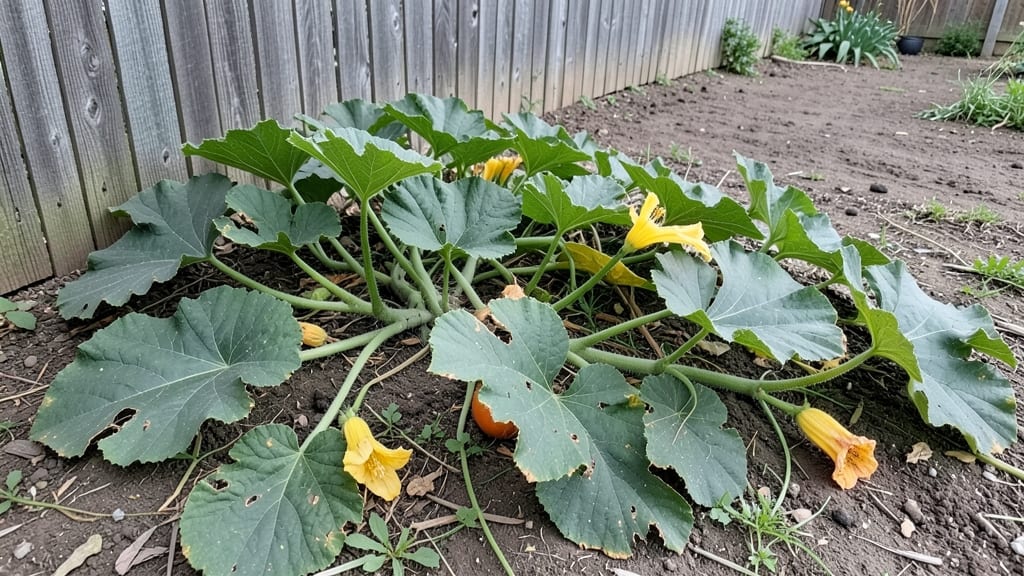
Pumpkin plants blooming in your garden means summer’s vibrant show has officially begun. 🌻 I’ll never forget the first time I watched those delicate orange flowers unfurl—it felt like nature’s own fireworks display.
These hardy plants thrive in heat and drought once established, making them a low-maintenance way to add drama to your space.
The key to seeing those blooms is planting in warm soil after your last frost, typically in late spring when nighttime temps stay above 50°F. In zones 4-10, most varieties bloom between June and September, but some tropical types keep flowering year-round in warm climates.
Male flowers appear first—they’re long-stemmed with no swelling at the base—while female flowers have a tiny pumpkin at their center.
To encourage more blooms, keep plants well-watered but not soggy, and feed them every 2-3 weeks with compost or balanced fertilizer. Hand-pollinate if bees are scarce by transferring pollen with a paintbrush—you’ll know it’s working when those female flowers start swelling into fruit within 10-14 days.
The sight of baby pumpkins forming is pure magic.
Even in cooler zones, you can extend the season by choosing shorter-day varieties or using black plastic mulch to warm the soil.
The blooms themselves are edible and stunning in salads, but the real reward is watching those flowers transform into pumpkins—whether you grow them for harvest or just the show. Let’s get those vines flowering!
📚 In This Guide
- What you need
- Instructions
- Tips and common mistakes
- Wrapping up and next steps
What you need
- ● Pumpkin Seeds: Choose drought-resistant varieties like Cinderella, Jack Be Little, or Waltham Butternut. Buy 5–10 seeds per plant (or 1 seed per pot if starting indoors).
- ● Well-Draining Soil: 5–10 gallons of potting mix (or garden soil amended with compost). Opt for a blend with perlite or vermiculite for aeration.
- ● Containers or Garden Space: Containers: 5-gallon pots (minimum 12" deep) for each plant. Use 3–5 containers if growing multiple pumpkins.
- ● Garden Beds: Full sun (6+ hours/day) in a 10’ x 10’ area (pumpkins spread!). Till soil to 12" depth.
- ● Fertilizer: Balanced 10-10-10 or organic options like compost or fish emulsion. Use 1 tbsp per plant at planting, then monthly.
- ● Mulch: Straw or wood chips (2–3 inches thick) to retain moisture and suppress weeds. Cover 2–3 square feet per plant.
- ● Basic Tools: Trowel or hand shovel
- ● Garden gloves (to protect from prickly vines!)
- ● Watering can or hose with a gentle spray nozzle
- ● Drought-Smart Additions: Drip irrigation kit (to deliver water directly to roots)
- ● Shade cloth (30% coverage) for hot climates
- ○ Pumpkin trellis (optional, for smaller varieties like Miniature Pumpkins)
- ● Pruning Shears: For trimming excess vines (if growing in containers).
- ● Climate: USDA Zones 3–11 (adjust watering in extreme heat/cold).
- ● Sunlight: Full sun (6+ hours daily)—no compromises!
- ● Water Access: Consistent moisture (1–2 inches per week). Drought-resistant varieties need less water but still thrive with regular checks.
- ● Patience: Blooms appear in 60–90 days from seed!
Instructions for encouraging vibrant pumpkin blooms all season
Here’s how to coax those stunning pumpkin blooms—without overwatering or fuss.
🌱 Step 1: Select the Right Variety and Plant Strategically
Choose drought-resistant varieties like ‘Cinderella’ or ‘Jack-Be-Little’—they bloom reliably even when soil dries slightly. Plant 4 seeds per hill, spacing hills 8-10 feet apart to give vines room to sprawl. Pumpkins need full sun (6+ hours daily), so pick a south-facing spot with no afternoon shade.
Dig holes twice as wide as the root ball but only as deep—burying too deep suffocates stems. Water deeply after planting to settle soil around roots, then let the top inch dry before watering again. This prevents root rot while encouraging deep root growth, which translates to stronger blooms.
☀️ Step 2: Master Watering for Consistent Blooms
Pumpkins hate soggy roots, so water deeply every 3-4 days (or when the top 2 inches of soil feel dry). Use a soaker hose or drip irrigation to deliver moisture directly to the roots—this keeps foliage dry and prevents fungal diseases that smother blooms.
Here’s the trick: reduce watering slightly when vines start flowering. Stress from mild drought triggers more blooms, but don’t let soil become bone-dry. You’ll know you’re on track when leaves stay deep green but vines don’t wilt. Mulch with 2-3 inches of straw to retain moisture and keep roots cool.
💧 Step 3: Feed for Heavy, Long-Lasting Blooms
Start with a balanced 10-10-10 fertilizer at planting, then switch to a low-nitrogen, high-phosphorus feed (like 5-10-10) when vines begin flowering. Phosphorus is the bloom-boosting nutrient—it encourages root development and flower production. Apply it every 3-4 weeks during the blooming season.
I also sprinkle 1 tablespoon of Epsom salt per plant monthly. The magnesium helps prevent blossom-end rot (a common issue in pumpkins) and keeps flowers vibrant. Avoid high-nitrogen fertilizers—they’ll send energy to leaves instead of blooms. Watch for yellowing leaves as a sign of over-fertilizing; flush the soil with water if you see it.
✂️ Step 4: Prune and Train Vines for Better Airflow
Remove suckers (those little shoots growing from the stem) when they’re smaller than 6 inches—they drain energy from blooms. Keep 3-4 main vines per plant, pruning back any that tangle or block sunlight. This ensures airflow, reducing humidity and preventing powdery mildew, which can kill blooms before they open.
Train vines along a trellis or fence if space is tight. This doesn’t just save room—it also exposes more flowers to sunlight and pollinators. You’ll see brighter, longer-lasting blooms when they’re not shaded by their own foliage. If growing on the ground, spread vines in a sunny circle to maximize exposure.
🐝 Step 5: Hand-Pollinate for Guaranteed Blooms
Pumpkin flowers are monoecious, meaning male and female blooms grow on the same plant. Male flowers (with long stems) open first—use a soft paintbrush to transfer pollen from male stamens to female pistils (the tiny pumpkin-shaped growth at the base of the bloom). Do this early in the morning when flowers are fresh.
If you’re not seeing many blooms, check for pests like squash vine borers—they chew through stems, cutting off nutrient flow. Remove damaged vines immediately. For extra insurance, spray neem oil weekly during bloom season to deter pests without harming beneficial insects like bees, which are crucial for pollination.
Tips & tricks for vibrant pumpkin blooms
A few strategic moves will transform your pumpkin patch from ordinary to extraordinary—here's what I've learned after years of trial and error.
Variety Matters: The drought-resistant varieties mentioned ('Cinderella' or 'Jack-Be-Little') aren't just about survival—they're bred for prolific blooming. I've seen 'Cinderella' produce three times more flowers than standard varieties in the same conditions. For even more blooms, consider planting a mix of these varieties—they'll pollinate each other more effectively, creating a blooming frenzy.
Soil Science: The twice-as-wide planting holes in Step 1 aren't just about roots—they create a micro-environment that encourages deeper root growth. After planting, I press compost into the bottom of each hole before adding soil. This gives roots an instant nutrient boost while they establish, which directly translates to more vigorous blooming. The key is to keep that soil loose and aerated around the roots.
Strategic Stress: That slight water reduction when vines start flowering (Step 2) is where the magic happens. I've found the sweet spot is watering every 5-6 days during bloom season rather than the initial 3-4 day schedule. This mild drought stress triggers a hormonal response that produces more flowers, but you must monitor closely—leaves should stay deep green, not yellow or wilted. Think of it as controlled stress that rewards you with blooms.
Pruning Precision: When removing suckers in Step 4, I use clean, sharp pruners and make cuts at a 45-degree angle just above a leaf node. This prevents disease entry and encourages faster healing. For the main vines, I never prune back more than one-third of the plant's total growth—this maintains the plant's ability to support blooms while improving airflow. The goal is to create an open, airy structure where sunlight can reach all the flowers.
Pro Tips for Pumpkin Plants Blooming
- A few strategic moves will transform your pumpkin patch from ordinary to extraordinary—here's what I've learned after years of trial and error.
- Variety Matters: The drought-resistant varieties mentioned ('Cinderella' or 'Jack-Be-Little') aren't just about survival—they're bred for prolific blooming.
- Soil Science: The twice-as-wide planting holes in Step 1 aren't just about roots—they create a micro-environment that encourages deeper root growth.
Frequently asked questions
Got questions about coaxing those stunning pumpkin plant blooms to thrive? You’re not alone! Here are answers to the most common curiosities—from timing tricks to troubleshooting wilted flowers—so you can enjoy year-round color with confidence.
When should I expect pumpkin plants to bloom?
Most pumpkin varieties bloom 60–90 days after planting, depending on the cultivar and climate. Vining types (like Jack Be Little) may flower earlier (45–60 days), while giant varieties take longer. Start seeds indoors 2–4 weeks before the last frost for a head start, or plant directly in warm soil (70°F+). Pro tip: Use black plastic mulch to warm the soil faster and speed up blooming!
Why aren’t my pumpkin plants blooming?
If your plants are leafy but flower-free, check these common culprits:
- Insufficient sunlight: Pumpkins need 6–8+ hours of direct sun daily. Move pots or thin shade if needed.
- Cool temperatures: Blooms wilt below 55°F. Use row covers or wait until soil is consistently warm.
- Over-fertilizing with nitrogen: Too much greens-up growth but stunts flowers. Switch to a low-N, high-P (phosphorus) fertilizer (like 5-10-10) to encourage blooms.
- Stress or pests: Check for aphids, squash bugs, or powdery mildew. Healthy plants bloom better!
Can I force pumpkin plants to bloom earlier?
Yes! Try these bloom-boosting hacks:
- Prune aggressively: Pinch off the first few leaves to redirect energy to flowering.
- Use a heat mat: Place under containers to maintain soil temps above 70°F.
- Supplement light: Add a grow light (12–14 hours/day) if natural light is lacking.
- Hand-pollinate: Gently shake vines or use a paintbrush to transfer pollen if blooms appear but don’t set fruit.
What if my pumpkin blooms but no fruit forms?
This usually means pollination failed or the plant is stressed. Try these fixes:
Issue
Solution
No bees? (Common in urban areas)
Hand-pollinate by transferring pollen with a cotton swab or paintbrush between male (long stems) and female (tiny fruit at base) flowers.
Too many blooms at once
Remove excess flowers (leave 2–3 female flowers per vine) to help the plant focus energy.
Extreme heat (>90°F)
Provide afternoon shade and water deeply to reduce stress.
Pro tip: Female flowers (with a tiny pumpkin at the base) are easier to spot—save these for hand-pollination!
Are there drought-resistant pumpkin varieties that bloom reliably?
Opt for these low-water, high-bloom varieties:
- ‘Jack Be Little’: Compact, early-blooming, and thrives in containers.
- ‘Waltham Butternut’: Drought-tolerant with vibrant orange blooms.
- ‘Cinderella’: Small, fast-growing, and handles dry spells well.
- ‘Sweet Dumpling’: Heat-resistant and produces abundant flowers.
Pair these with mulch (straw or wood chips) to retain moisture and reduce watering needs.
Wrapping up and next steps
Watching your pumpkin plants blooming year-round is a rewarding experience that brings vibrant color and resilience to any garden! 🌻 With the right drought-resistant varieties and care, you can enjoy their beauty without the fuss.
Now that you’re armed with tips and answers to common questions, it’s time to roll up your sleeves and get growing—start planting or nurturing your existing pumpkins today!
Ready to take the next step? Experiment with different varieties, share your progress with fellow gardeners, or even save seeds for next season. Your blooming pumpkin patch awaits—happy gardening! 🌱✨