
Companion Plants
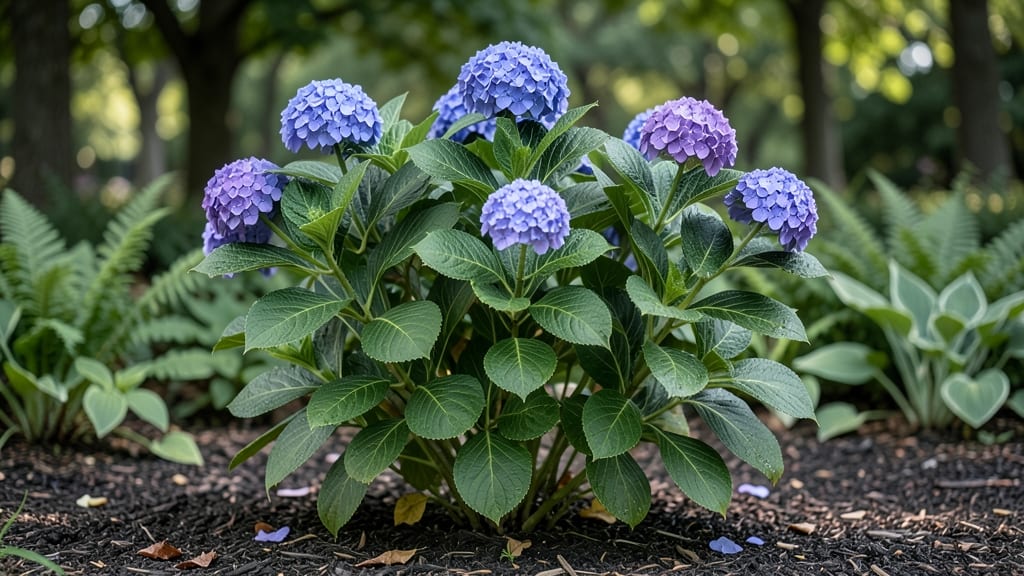
Your purple hydrangea plants can steal the show all season—if you nail the soil, light, and pruning. 🌿 I’ve grown these showstoppers for years, and the secret isn’t just patience; it’s understanding how they really thrive.
Most gardeners overwater or prune at the wrong time, which means faded blooms instead of deep, rich purple. The good news? With the right approach, you’ll get those lush clusters from early summer through frost.
These hydrangeas love morning sun and afternoon shade, especially in hot climates, and they’re fussy about soil—too alkaline, and those purple blooms turn blue.
I’ve found that a 5.0–5.5 pH keeps the color true, and a mix of compost and peat moss gives them the moisture they crave without soggy roots.
Pruning in late winter or early spring (before buds swell) is key—cut back old wood to encourage new growth, but never overdo it or you’ll sacrifice next year’s blooms.
By mid-summer, your plants will reward you with clusters so vibrant they look like they’re lit from within. The foliage stays glossy and green, and the blooms last longer than most garden flowers.
You’ll also notice fewer pests—hydrangeas naturally repel many common garden bugs. The best part? With the right care, they’ll keep blooming into fall, giving you color when most gardens are winding down.
Works for containers or garden beds, whether you’re in a humid Southeast or a cooler Northeast region. The only real challenge is keeping the soil consistently moist without waterlogging—once you master that, these plants are nearly foolproof. Let’s get those purple blooms growing strong!
📚 In This Guide
- What you need
- Instructions
- Tips and common mistakes
- Wrapping up and next steps
What you need
- ● Purple hydrangea plants: 1–3 nursery-grown Hydrangea macrophylla or Hydrangea paniculata (purple varieties like 'Nikko Blue,' 'Endless Summer,' or 'Limelight').
- ● OR Purple hydrangea seeds (if starting from scratch—requires patience!).
- ● Well-draining potting mix: 5–10 gallons (for containers) or amended garden soil (for in-ground planting). Pro tip: Mix in peat moss or compost for moisture retention!
- ● Organic mulch: 2–3 inches (e.g., shredded bark or pine straw) to retain moisture and regulate soil temp.
- ● Slow-release fertilizer: 10–20–10 NPK ratio (1 tbsp per plant at planting time).
- ● Watering can or hose: With a gentle spray nozzle for hydration without damaging blooms.
- ● Garden trowel or shovel: For digging holes (12–18 inches wide/deep for mature plants).
- ● Pruning shears: Sharp, sterilized shears (for shaping and deadheading).
- ● Gloves: Heavy-duty to protect against thorns and soil.
- ○ pH test kit (optional): Hydrangeas thrive in acidic soil (pH 5.5–6.2)—test yours for purple perfection!
- ● Container (if potted): 15–20 gallon pot with drainage holes (for dwarf varieties).
- ● Sunlight: Partial shade (4–6 hours of morning sun)—avoid harsh afternoon rays in hot climates.
- ● Water access: Consistent moisture (1–2 inches per week). Drought = droopy blooms!
- ● Climate zone: USDA Zones 4–9 (check your local frost dates for timing).
- ● Patience: Container-grown plants may take 1–2 years to reach full bloom glory.
Instructions for cultivating stunning purple hydrangeas
Here’s the straightforward approach I’ve used to keep my hydrangeas blooming purple all season long.
🌱 Step 1: Choose the Right Location and Soil
Purple hydrangeas thrive in partial shade—think morning sun with afternoon shade—to prevent leaf scorch. I always plant mine where they get 4-6 hours of sunlight daily, but never harsh afternoon rays. If your yard is full sun, position them near a tree or structure that provides afternoon relief.
These beauties love acidic, well-draining soil with a pH between 5.0 and 6.0. Before planting, mix 2-3 inches of peat moss or compost into the native soil to improve drainage and acidity. You’ll know the soil is ready when it crumbles easily between your fingers—no clumps should stick together.
🪴 Step 2: Plant at the Correct Depth and Spacing
Dig a hole twice as wide as the root ball but only as deep—planting too deep can suffocate the roots. Gently loosen the roots if they’re circling and position the plant so the top of the root ball sits just below soil level. This ensures stability without burying the stem.
Space your hydrangeas 4-6 feet apart—they’ll spread over time, and crowding leads to weak stems and fewer blooms. Fill the hole with soil, pressing lightly to remove air pockets, then water deeply to settle everything. You’ll see the soil settle about 1 inch after watering, so don’t overfill initially.
💧 Step 3: Water Deeply and Maintain Consistent Moisture
Hydrangeas hate dry soil, so water deeply 2-3 times per week during the first growing season. Aim for 1-1.5 gallons per plant each time, letting the water soak 6-8 inches deep. You’ll know you’ve watered enough when the soil feels damp 2 inches below the surface—stick your finger in to check.
After the first year, they’ll be more established, but never let the soil dry out completely. Mulch around the base with 2-3 inches of pine bark or shredded leaves to retain moisture and keep roots cool. Avoid mulching too close to the stem—leave a 2-inch gap to prevent rot.
☀️ Step 4: Feed and Prune for Vibrant Purple Blooms
In early spring, before new growth appears, feed your hydrangeas with a slow-release, acid-loving plant fertilizer. I use a 10-10-10 or 8-3-9 blend (the higher phosphorus helps blooms). Follow the package instructions, but halve the recommended dose—too much fertilizer can burn roots and turn blooms green.
Prune in late winter or early spring (before buds swell) to shape the plant and encourage new growth. Cut back last year’s stems by ⅓ and remove any dead or weak branches. Never prune in fall—you’ll cut off next year’s flower buds! Watch for new growth at the tips—this is your signal that pruning is complete.
✂️ Step 5: Adjust Soil pH for Consistent Purple Color
To keep those blooms deep purple, test your soil’s pH every 2-3 months during the growing season. If the pH rises above 6.0, your blooms may turn pink or blue. Lower it back to 5.0-6.0 by adding sulfur or aluminum sulfate (follow package rates). I mix 1 teaspoon of aluminum sulfate per gallon of water and apply it to the soil surface in early spring.
Water the soil thoroughly after applying amendments—this helps distribute them evenly. You’ll see the most dramatic color changes 4-6 weeks after treatment, so be patient. Avoid overdoing it: too much aluminum can harm roots, so stick to the recommended amounts.
Tips & tricks for perfect purple hydrangea blooms
Here's what I've learned after years of growing these stunning plants—tricks that'll help you keep those deep purple blooms coming back every season.
Location is Everything: In Step 1, when choosing your spot, pay attention to how sunlight moves across your yard throughout the day. Morning sun on the east side of your house is ideal because it provides gentle warmth without the intense afternoon heat. I've noticed that hydrangeas planted in full morning sun with afternoon shade produce the most vibrant purple blooms. If you're unsure, observe how sunlight hits your yard between 10 AM and 2 PM—this is when you want to avoid direct exposure.
Soil Prep Secret: For that perfect acidic soil in Step 1, I always test my soil pH before planting. You can use a simple home test kit for under $10, or send a sample to your local extension office. The 2-3 inches of peat moss or compost makes a huge difference—think of it as giving your hydrangeas a nutrient boost right from the start. Pro tip: Mix in a handful of coffee grounds too (they're acidic and provide nitrogen) for an extra color boost.
Planting Depth Matters: When following Step 2, don't be afraid to get your hands dirty checking the depth. The top of the root ball should sit just below soil level—this is crucial for stability. I've seen many gardeners bury the stem too deeply, which can lead to rot. After planting, press the soil gently around the roots but avoid compacting it too much. This helps the roots establish without creating air pockets that could dry them out.
Watering Wisdom: The 2-3 times per week watering in Step 3 is non-negotiable during the first year. I use a rain gauge near my plants to track exactly how much water they're getting naturally. If we've had less than an inch of rain in a week, I supplement with water. For established plants, let the top inch of soil dry out between waterings—this prevents root rot while keeping the soil consistently moist.
Pro Tips for Purple Hydrangea Plants
- Here's what I've learned after years of growing these stunning plants—tricks that'll help you keep those deep purple blooms coming back every season.
- Location is Everything: In Step 1, when choosing your spot, pay attention to how sunlight moves across your yard throughout the day.
- Soil Prep Secret: For that perfect acidic soil in Step 1, I always test my soil pH before planting.
Frequently asked questions
Got questions about growing purple hydrangeas?
You’re not alone! Here are answers to the most common queries—from planting to troubleshooting—to keep your blooms vibrant year-round.
When is the best time to plant purple hydrangeas?
Plant them in early spring or fall when soil temperatures are mild (50–70°F). This gives roots time to establish before extreme heat or cold. Avoid planting in summer—hydrangeas hate stress from transplant shock or drought. If you’re in a warm climate, opt for fall planting to beat summer heat.
How often should I water purple hydrangeas?
Water deeply 2–3 times per week (more in extreme heat or sandy soil). Aim for 1–1.5 inches of water per week, including rainfall. Mulch around the base (2–3 inches of shredded bark or leaves) to retain moisture. Overwatering can cause root rot, so ensure well-draining soil—amend clay soil with compost or sand.
Why aren’t my purple hydrangeas blooming?
Three likely culprits:
- Old wood vs. new growth: Bigleaf hydrangeas (like ‘Nikko Blue’) bloom on last year’s wood, so prune right after flowering. Mophead types (like ‘Endless Summer’) bloom on new wood—prune in late winter/early spring.
- Insufficient light: They need partial shade (morning sun + afternoon shade). Too much shade = fewer blooms.
- Nutrient deficiency: Feed with acid-loving plant fertilizer (like 10-10-10 or cottonseed meal) in early spring. Blue/purple blooms = acidic soil (pH 5.2–5.5)—test your soil and amend with sulfur if needed.
What companion plants pair well with purple hydrangeas?
Choose shade-tolerant, moisture-loving plants to create a lush understory. Top picks:
- Ferns (e.g., Japanese painted fern or maidenhair fern)
- Astilbes (feathery plumes in pink/white)
- Heucheras (colorful foliage for contrast)
- Bleeding hearts (Delicate flowers + heart-shaped leaves)
How do I protect purple hydrangeas in winter?
Most hydrangeas are hardy to USDA Zones 5–9, but young plants or tender varieties (like ‘Limelight’) need extra care:
- Mulch heavily: Apply 4–6 inches of mulch (straw or shredded leaves) around the base after the first frost.
- Wrap containers: Move potted hydrangeas to a sheltered spot and wrap pots in bubble wrap or frost cloth.
- Avoid pruning in late fall: Wait until early spring to prune—dormant buds form in winter!
Wrapping up and next steps
Ready to transform your garden into a purple paradise? Purple hydrangeas aren’t just stunning—they’re low-maintenance superstars that thrive with the right care. From choosing the perfect variety to mastering soil pH and companion plants, you now have all the secrets to year-round color and blooms that steal the show. 🌸
Grab your gardening gloves and start small—whether it’s a single plant in a pot or a full garden bed. Plant one purple hydrangea today, and watch your outdoor space bloom with confidence (and maybe a little envy from your neighbors!).
Next step: Pick your favorite variety from our guide and get growing! 🌱