Diseases
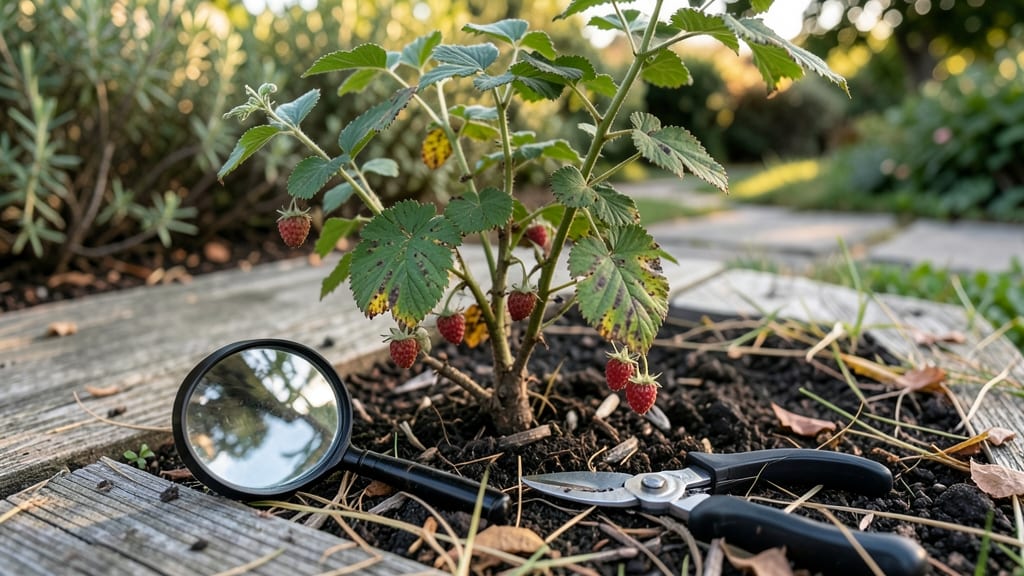
My raspberry plants nearly died last summer from a disease I didn’t even recognize—until I learned to spot the early warning signs. 🌱 The key to saving your berry bushes isn’t guessing what’s wrong; it’s knowing the subtle changes in leaves, canes, or fruit that scream "trouble."
Most raspberry diseases start with yellowing leaves, weird spots, or soft, mushy canes—signs I ignored until my plants were half-dead. The good news? Organic fixes like copper spray, neem oil, and proper spacing can stop these problems before they spread.
I’ll show you exactly what to look for and how to treat it.
You’ll learn to identify cane blight, rust, and botrytis by their telltale marks, then use simple remedies to revive your plants. No more guessing—just clear steps to keep your raspberries thriving season after season. Let’s get your bushes back on track.
Whether you’re dealing with fungal infections or viral issues, these methods work without harsh chemicals. Your future harvests will thank you—promise. Here’s how to turn things around before it’s too late.
Root Causes of Raspberry Ailments
Raspberry plants, like any living organism, are vulnerable to a range of diseases—but understanding why these issues arise is the first step to prevention. Below, we break down the key triggers behind raspberry plant diseases, from fungal invasions to environmental stress, so you can address them before they spread.
Fungi thrive in moist, shady, or poorly ventilated environments, making them the #1 culprit behind raspberry diseases like botrytis blight and powdery mildew. Here’s why it happens:
- Excessive moisture: Overhead watering, dense canopies, or rain-sodden foliage create the perfect breeding ground for fungal spores. These spores germinate on wet surfaces, forming mycelium (a network of thread-like structures) that infect leaves, fruit, and canes.
- Poor air circulation: Crowded raspberry plants block airflow, trapping humidity near the plant. Fungi like Phytophthora (root rot) exploit this by spreading through soil moisture and splashing water.
- Warm, humid nights: Temperatures between 60–80°F (15–27°C) with high humidity accelerate fungal growth. Botrytis, for example, thrives in these conditions, causing gray mold on ripe raspberries.
💡 Pro Tip: Space plants 18–24 inches apart and prune to improve airflow. Water at the base (not overhead) and avoid mulching too heavily—fungi love thick, damp mulch layers.
Bacteria like Xanthomonas (bacterial leaf spot) and Pseudomonas (canker) enter raspberry plants through open wounds, often caused by:
- Physical damage: Pruning cuts, thorn pricks, or hail can create entry points. If tools aren’t sterilized (e.g., with 70% isopropyl alcohol), bacteria hitchhike from infected plants.
- Insect activity: Aphids, raspberry beetles, or mites chew plant tissue, leaving behind saliva and fecal matter that introduce bacteria. 🐛 Watch for: Sticky residue (honeydew) or skeletonized leaves.
- Splashing water: Rain or irrigation can splash bacteria from contaminated soil or debris onto wounds, spreading diseases like crown gall (a tumor-like bacterial infection).
🔥 Action Step: Always disinfect pruners between cuts, and remove infected canes immediately (burn or compost them—do not leave them in the bed). Apply copper-based sprays (like Bordeaux mixture) as a preventive barrier.
Raspberries under stress—whether from nutrient deficiencies, extreme temperatures, or poor soil health—become prime targets for diseases. Here’s how stress opens the door:
| Stressor | How It Affects Raspberries | Resulting Disease Risk |
|---|---|---|
| Nitrogen deficiency | Yellowing leaves (chlorosis) weaken the plant’s immune response. | More susceptible to powdery mildew and rust. |
| Compacted or waterlogged soil | Roots suffocate, reducing nutrient uptake and inviting Phytophthora. | Root rot and crown rot take hold faster. |
| Temperature swings | Sudden cold (<40°F/4°C) or heat (>90°F/32°C) shocks the plant. | Increases vulnerability to anthracnose and gray mold. |
| pH imbalances | Soil pH <6.0 or >7.0 locks out essential nutrients (e.g., iron, calcium). | Weakened plants attract bacterial spot and fungal leaf spots. |
✨ Organic Fix: Test your soil’s pH and amend with compost or lime (for acidic soil) or sulfur (for alkaline soil). Mulch with straw or wood chips to regulate temperature and moisture.
Insects don’t just damage raspberries—they’re often disease delivery systems. For example:
- Aphids: Pierce plant cells to feed, injecting tobacco ringspot virus (which causes yellow rings on leaves). They also excrete honeydew, fostering sooty mold (a black fungal growth).
- Japanese beetles: Skeletize leaves, creating wounds for bacterial canker to invade.
- Spider mites: Stress plants with feeding, making them vulnerable to powdery mildew.
🎯 Prevention: Introduce beneficial insects like ladybugs or lacewings, or spray with neem oil (a natural pesticide that disrupts pests’ life cycles). 🚫 Avoid broad-spectrum chemicals—they kill predators that keep pests in check.
By tackling these root causes—fungal conditions, bacterial entry points, stress factors, and pest activity—you’ll create an environment where raspberry diseases struggle to take hold. The key is proactive care: monitor humidity, sterilize tools, and keep your plants healthy and resilient!
Quick fixes for raspberry plant troubles
When your raspberry plants show signs of distress, acting fast can make all the difference. Below are targeted solutions for common raspberry diseases, organized by cause, along with prevention tips to keep your berries thriving. These methods focus on organic, plant-friendly fixes that won’t harm your garden or the environment.
Fungal diseases like powdery mildew, gray mold (Botrytis), and rust thrive in damp, crowded conditions. Here’s how to tackle them:
🔥 Remove Infected Plant Parts
- Step 1: Prune away infected leaves, canes, or fruit immediately using sterilized pruners (wipe with rubbing alcohol between cuts).
- Step 2: Dispose of the debris in the trash—not the compost—to prevent reinfection.
- 💡 Pro Tip: If rust or powdery mildew is severe, remove entire affected canes to stop the fungus from spreading to healthy parts.
🍳 Apply Organic Fungicides
- Baking Soda Spray (for powdery mildew): Mix 1 teaspoon baking soda + 1 tablespoon vegetable oil + 1 quart water + a few drops of dish soap. Spray on both sides of leaves every 7–10 days in the morning (avoid evenings to prevent fungal growth).
- Neem Oil (for gray mold & rust): Combine 1 tablespoon neem oil + 1 teaspoon mild soap + 1 quart water. Spray weekly until symptoms disappear. Neem oil disrupts fungal spores while being safe for bees (apply when flowers aren’t open).
- Copper Fungicide (for stubborn cases): Use an organic copper-based spray (like copper soap) as a last resort. Follow label instructions carefully—copper can harm plants if overused.
🌡️ Improve Airflow & Reduce Moisture
- Space plants 2–3 feet apart to allow airflow.
- Avoid overhead watering—use drip irrigation or water at the base.
- Mulch with straw or wood chips (not leaves) to keep soil dry and prevent splashing spores onto leaves.
Pests like spider mites, aphids, and raspberry beetles weaken plants, making them susceptible to disease. Here’s how to evict them:
👨🍳 Blast Off Pests with Natural Sprays
- Soapy Water Spray (for aphids & mites): Mix 1 tablespoon mild castile soap + 1 quart water in a spray bottle. Directly spray pests until they stop moving (repeat every 3–4 days).
- Garlic or Chili Pepper Spray (for beetles & mites): Blend 1 chopped garlic clove + 1 teaspoon cayenne pepper + 1 quart water. Strain and spray on leaves. The strong scent repels pests without harming plants.
🕷️ Introduce Beneficial Predators
- Ladybugs eat aphids—release them in the early morning or evening when they’re least active.
- Predatory mites control spider mites—sprinkle them on leaves or use a commercial release kit.
🎯 Prevent Future Infestations
- Install row covers early in the season to block flying pests.
- Plant companion crops like marigolds, nasturtiums, or garlic nearby—their scents deter pests.
- Inspect plants weekly and remove eggs or pests by hand (drop them in soapy water).
Yellowing leaves, stunted growth, or weak canes often signal nutrient imbalances. Fix them with these targeted fixes:
📊 Soil Test First
- Conduct a DIY soil test kit (available at garden centers) to check pH and nutrient levels. Raspberries prefer slightly acidic soil (pH 5.5–6.5).
💪 Organic Fertilizer Boosts
- For nitrogen deficiency (yellow lower leaves): Apply composted manure or fish emulsion (follow package rates). Avoid over-fertilizing—too much nitrogen promotes leafy growth but fewer berries.
- For potassium deficiency (weak canes, poor fruit): Use wood ash (sparingly) or a banana peel tea (steep peels in water for 24 hours, then use as fertilizer).
- For magnesium deficiency (yellow patches between veins): Sprinkle Epsom salt (magnesium sulfate) around the base (1 tablespoon per plant) and water deeply.
🍎 Mulch for Long-Term Health
- Top-dress with well-aged compost or leaf mold in early spring to slowly release nutrients.
- Avoid fresh sawdust or grass clippings—they can deplete nitrogen.
An ounce of prevention is worth a pound of cure! Follow these habits to minimize future problems:
- 🌦️ Rotate crops—don’t plant raspberries in the same spot yearly (wait 3–4 years before replanting).
- 🌱 Choose disease-resistant varieties like ‘Heritage’, ‘Boyne’, or ‘Nova’—they’re bred to fight common issues.
- 🔪 Prune in late winter—remove old canes (they harbor diseases) and thin out crowded canes for better airflow.
- 💦 Water deeply but infrequently—raspberries hate soggy roots. Aim for 1–1.5 inches of water per week.
- 🌞 Give them sunlight—raspberries need 6–8 hours of direct sun daily to stay strong and resistant.
With these fixes, your raspberry plants should bounce back in no time. Stay vigilant, and your bushes will reward you with juicy, disease-free berries all season long! 🍓🌿
Frequently asked questions
What are the most common raspberry plant diseases I should watch for?
The top threats include cane blight (blackened canes), gray mold (Botrytis) (fuzzy gray spots on fruit), powdery mildew (white dusty coating on leaves), and rust (orange-brown pustules). Viral issues like tobacco ringspot (yellow rings on leaves) also spread through pests.
How do I know if my raspberry leaves are diseased or just nutrient-deficient?
Diseased leaves show distinct spots, discoloration, or unusual textures—like rust’s orange pustules or mildew’s powdery coating. Nutrient issues cause uniform yellowing (e.g., nitrogen deficiency = yellow lower leaves) or interveinal chlorosis (magnesium deficiency). Always check for patterns: random spots = disease; gradual fading = deficiency.
Can I save a raspberry plant already infected with gray mold?
Yes, but act fast! Prune all infected canes (burn or trash them), remove nearby mulch, and spray with neem oil or baking soda mix. Thin canes to improve airflow and avoid overhead watering. For severe cases, consider replacing the plant—gray mold can persist in soil and reinfect next season.
Are there raspberry varieties that naturally resist diseases?
Try ‘Heritage’ (rust-resistant), ‘Boyne’ (cane blight-tolerant), or ‘Nova’ (gray mold-resistant). These hybrids are bred for durability. Even with resistant varieties, maintain good airflow, sanitize tools, and avoid overhead watering to maximize protection.
Why do my raspberries get infected every year in the same spot?
This usually means soil-borne pathogens (like Phytophthora) or residual spores from previous infections. Rotate crops—don’t replant raspberries in the same spot for 3–4 years. Amend soil with compost and apply copper fungicide before new growth appears to break the cycle.