
Planting
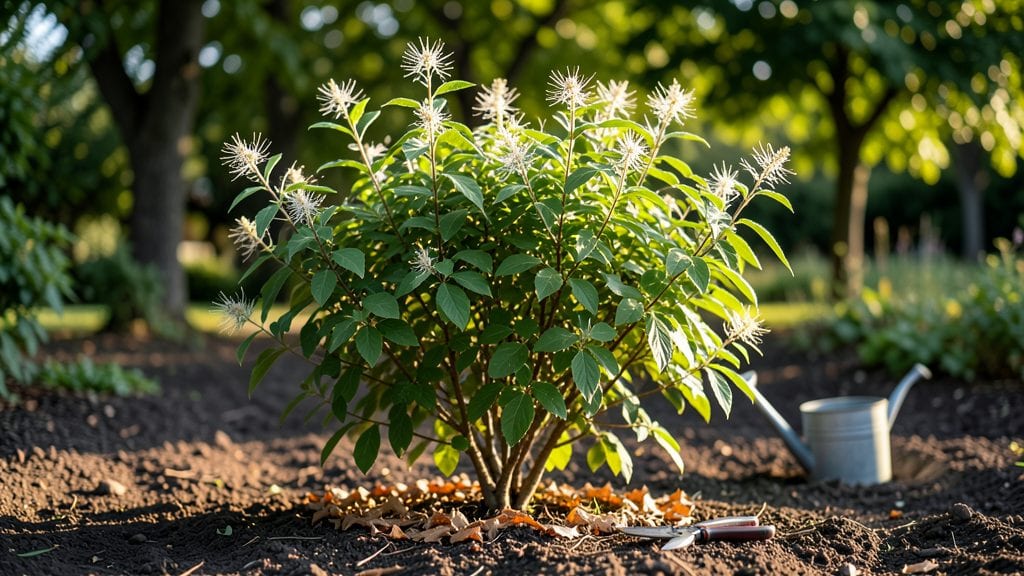
Growing a Sharon bush plant 🌿 is the fastest way to add privacy and beauty to your yard without waiting years for slow hedges to fill out.
Tired of staring at bare patches where your last hedge failed? This hardy shrub shoots up 3 feet in just one season, creating a lush, green barrier in record time.
Whether you need a quick privacy screen or a bold landscape statement, the Sharon bush delivers results faster than most shrubs.
Thriving in USDA Zone 6a and beyond, it handles full sun like a champ and even tolerates some shade. The key is planting it right in spring—after the last frost—so it gets a strong start.
With minimal fuss, you’ll have a vibrant, low-maintenance shrub that keeps growing year after year.
Below, I’ll walk you through the easiest way to plant, prune, and care for your Sharon bush so it stays healthy, dense, and stunning. No green thumb required!
Sharon bush plant care guide: sunlight, watering, and soil requirements
The Sharon bush (Forsythia or Deutzia) thrives in moderate climates and offers rapid growth—perfect for creating privacy screens in just a few years. Unlike slow-growing hedges, these shrubs develop dense foliage quickly, making them ideal for borders and landscape accents.
To unlock their full potential, focus on sunlight exposure, watering consistency, and soil health.
Native to regions like USDA Zones 5-8, Sharon bushes adapt well to urban and suburban gardens. Their fast growth rate (up to 3 feet per year) means you’ll see noticeable height gains within the first few seasons.
However, neglecting their basic care requirements can lead to stunted growth or poor flowering. Let’s dive into the essentials to keep your Sharon bush lush and vibrant.
Your Sharon bush’s sunlight needs are critical for its growth and flowering. Plant it in a location with at least 6 hours of direct sunlight daily for optimal results. While it can tolerate partial shade, reduced sunlight may lead to sparser foliage and fewer blooms.
In hot climates, afternoon shade helps prevent leaf scorch, especially during peak summer months.
For watering consistency, focus on deep, infrequent watering rather than shallow, frequent sessions. Newly planted bushes need weekly watering to establish roots, while mature shrubs thrive with bi-weekly deep soaks.
During drought periods, increase frequency to every 5-7 days to prevent wilting. Always water at the base of the plant to avoid fungal diseases from wet foliage.
The soil type plays a pivotal role in your Sharon bush’s health. These shrubs prefer well-draining soil with a slightly acidic to neutral pH (6.0-7.0). If your soil is heavy clay, amend it with compost or sand to improve drainage.
Avoid waterlogged conditions, as they can lead to root rot. A 2-inch layer of mulch around the base helps retain moisture and regulate soil temperature.
Seasonal care tips ensure your Sharon bush stays healthy year-round. In spring, apply a balanced fertilizer (10-10-10) to promote new growth. During summer, reduce watering slightly but monitor for pests like aphids or spider mites.
In fall, prune to shape and remove dead branches, and in winter, protect young plants with mulch or burlap wraps in colder zones.
One common mistake is over-fertilizing, which can lead to excessive leafy growth at the expense of flowers. Stick to light feeding every 4-6 weeks during the growing season. Another pitfall is pruning at the wrong time—always prune after flowering to avoid cutting off next year’s blooms.
With these care tips, your Sharon bush will reward you with vibrant foliage and cheerful blooms for years.
To maximize your privacy screen, plant Sharon bushes in a tightly spaced row (3-4 feet apart) for dense growth. Pair them with complementary plants like boxwood or holly for a layered look.
With the right sunlight, water, and soil conditions, your Sharon bush will become the star of your landscape—fast!
🌿
How to prune and shape a Sharon bush for maximum privacy
A well-pruned Sharon bush (Forsythia or Deutzia) transforms from a wild shrub into a densely packed privacy screen with uniform height and shape. The key is timing, technique, and consistency—avoid cutting too late in the season or you’ll sacrifice next year’s spring blooms.
With the right approach, your Sharon bush hedge can reach full privacy potential in just 2-3 years.
Before grabbing your pruning shears, gather the essentials: sharp bypass pruners for clean cuts, hand pruners for smaller branches, and gloves to protect from thorns (especially on Forsythia).
Safety goggles are also wise—Sharon bushes shed branches aggressively when pruned heavily. Start by removing dead or diseased wood first, as this prevents spreading problems to healthy growth.
Step-by-Step Sharon Bush Pruning Guide
-
Step 1: Prune After Blooming
Wait until 2-4 weeks after spring blooms (typically late May to June) to prune. This ensures you don’t cut off next year’s flower buds, which form on old wood.
-
Step 2: Thin Out Interior Branches
Remove 1/3 of the oldest, thickest branches from the center to improve airflow. Focus on branches growing inward or crossing—this encourages dense, outward growth for a fuller hedge.
-
Step 3: Shape the Hedge
Use a string guide for uniform height. Cut branches at a 45-degree angle just above a bud or leaf node to promote new growth. Avoid leaving stubs—this invites disease.
-
Step 4: Control Height Annually
To maintain 6-8 feet (ideal for privacy), trim the top 1/3 of new growth in late summer (August). This prevents leggy growth and keeps the bush compact.
-
Step 5: Clean Up and Mulch
Rake up and dispose of clippings (don’t compost if diseased). Apply 2-3 inches of mulch around the base to retain moisture and suppress weeds—critical for young Sharon bushes.
Pro Tip:
For extra density, lightly prune again in early fall (September) to encourage tighter branching before winter dormancy.
Timing is everything—prune your Sharon bush at the wrong time, and you’ll either lose next year’s flowers or stimulate weak, late-season growth that won’t harden off before frost. Forsythia varieties bloom on old wood, so prune after blooms; Deutzia blooms on new wood, so prune immediately after flowering.
Always check your specific variety’s growth habits to avoid mistakes.
One of the biggest pruning mistakes is over-pruning. Never remove more than 1/3 of the bush’s foliage in a single season—this stresses the plant and can lead to dieback or pest infestations.
If your Sharon bush looks sparse after pruning, it’s a sign you went too far. Start lighter next time and gradually shape over 2-3 years for the best results.
For maximum privacy, space Sharon bushes 3-4 feet apart in a row. This allows them to fill in quickly while maintaining airflow to prevent fungal diseases like powdery mildew.
Water deeply after pruning to help the plant recover, and apply a balanced fertilizer (10-10-10) in early spring to support new growth. With consistent care, your hedge will thrive and provide year-round privacy.
🌿