Plants
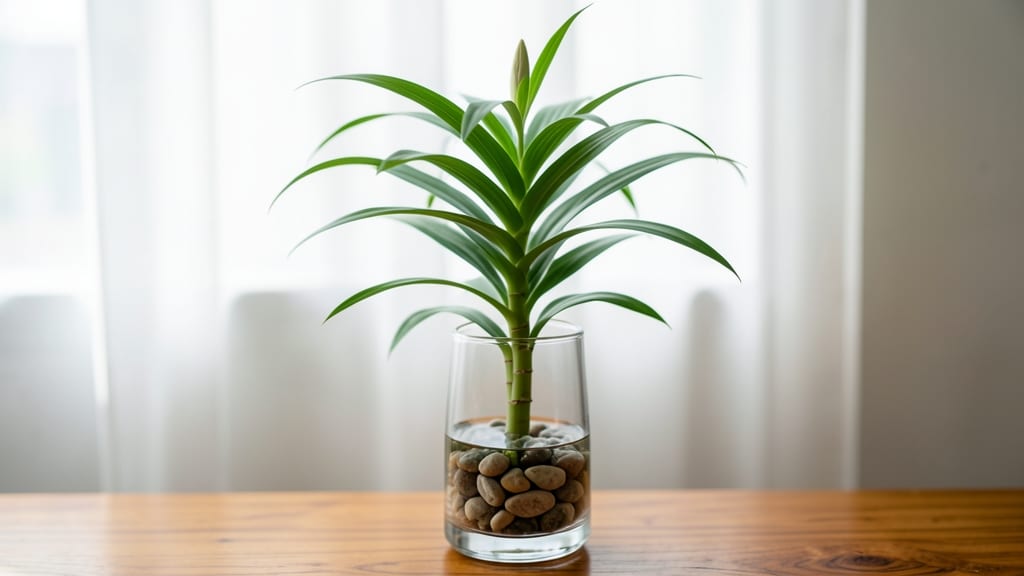
The smallest bamboo plant that won’t take over your space is Bambusa multiplex 'Tiny Fern'—it packs all the privacy of a tall hedge into a compact 3-foot package. 🌿 I planted mine last spring, and by midsummer, it was already taller than my waist—without sending out a single runner.
The secret is its clumping growth habit, which keeps it contained while still offering that lush, tropical look.
This bamboo thrives in partial shade, making it perfect for spots where sun-loving plants would wilt. You’ll need a 5-gallon container with drainage holes to keep roots happy, and watering once a week (more in summer) keeps it vibrant without drowning it.
The leaves stay green even in drought, but they’ll reward you with fresh growth if you give it a little extra moisture during heatwaves.
By late summer, you’ll have a dense, screen-like plant that blocks wind and noise while staying neatly within its container. The best part? No digging, no spreading—just a foolproof way to add greenery to small spaces.
Prune back leggy stems in early spring to encourage bushier growth, and you’ll have a privacy screen that looks intentional, not invasive.
Works in zones 5-9, from coastal climates to inland gardens, and even does well in pots on patios. If you’ve ever wanted bamboo but feared the spread, this is the variety that proves you can have your privacy—and your peace of mind—without the hassle.
📚 In This Guide
- What you need
- Instructions
- Tips and common mistakes
- Wrapping up and next steps
What you need
- ● Bamboo plant: Choose a clumping bamboo variety like Bambusa multiplex (dwarf bamboo) or Fargesia species (e.g., Fargesia murielae). Opt for a 1-gallon container-grown plant (3–6 inches tall) for the tiniest size.
- ● Well-draining potting mix: 2–3 gallons of a blend designed for bamboo or acid-loving plants (e.g., 60% peat moss, 30% perlite, 10% compost). Avoid heavy garden soil!
- ● Pot or container: Minimum size: 5–7 gallons (18–24 inches deep) for a single plant. Use a narrow, tall container to limit root spread.
- ● Material: Plastic (lightweight) or ceramic (aesthetic) with drainage holes.
- ● Drainage layer: 1–2 inches of gravel, pebbles, or broken pottery to prevent root rot.
- ○ Gloves: A pair of gardening gloves (optional but recommended for handling sharp bamboo edges).
- ● Trowel or shovel: For planting and mixing soil.
- ● Watering can or hose: With a gentle spray nozzle to avoid disturbing the soil.
- ○ Fertilizer (optional): Balanced 10-10-10 fertilizer or a slow-release bamboo-specific formula.
- ● Apply once every 2–3 months during growing season (spring–fall).
- ○ Pruning shears (optional): For trimming yellow leaves or overgrowth (sterilize blades with rubbing alcohol!).
- ● Location: Sunlight: Partial shade (4–6 hours of morning sun). Avoid harsh afternoon rays.
- ● Climate: Hardy in USDA Zones 5–10. If in a colder zone, grow in a container for winter protection.
How to grow the smallest bamboo varieties for compact privacy
Here's how to create a lush, manageable privacy screen using dwarf bamboo—no invasive roots or wild spread.
🌱 Step 1: Select the Right Dwarf Bamboo Variety
Not all bamboo is tiny—choose clumping varieties like Bambusa multiplex 'Tiny Fern' or Bambusa multiplex 'Golden Goddess' (both stay under 3 feet tall and 2 feet wide). Avoid running bamboo like Phyllostachys species—they'll take over your yard.
Buy established 1-gallon plants from a reputable nursery. You'll need 4 plants to create a 4-foot-wide screen. Check the roots—healthy rhizomes should be firm and white, not brown or mushy. Plant in spring or early fall when temperatures are mild.
🪴 Step 2: Prepare the Planting Site
Choose a spot with partial shade to full sun—dwarf bamboo tolerates both but grows best with 4-6 hours of morning sun. Avoid low-lying areas where water pools, as soggy soil causes root rot. Dig holes twice as wide as the root ball but only as deep as the container.
Amend the soil with 2 inches of compost mixed into the top 6 inches of native soil. Dwarf bamboo prefers well-draining, slightly acidic soil (pH 5.5-6.5). If your soil is heavy clay, add 1 part perlite to 3 parts soil to improve drainage. Space plants 2 feet apart in a straight line.
💧 Step 3: Plant and Water Thoroughly
Remove the plant from its container and loosen the roots gently with your fingers. Place it in the hole so the top of the root ball sits 1 inch below soil level—this prevents crown rot. Fill the hole with soil, pressing lightly to eliminate air pockets. Water immediately until the soil is saturated to 6 inches deep.
Mulch around the base with 2 inches of shredded bark mulch, keeping it 3 inches away from the stem. This conserves moisture and suppresses weeds. Avoid organic mulches like wood chips—they can attract pests. Water daily for the first week to help roots establish, then taper to twice weekly once new growth appears.
☀️ Step 4: Maintain for Compact Growth
Prune once in late winter to shape the screen. Cut back one-third of the oldest canes at the base to encourage fresh, vigorous growth. Remove any canes that lean or grow outside your desired 2-foot width. Wear gloves and long sleeves—bamboo shoots are sharp!
Fertilize in early spring with a balanced 10-10-10 fertilizer applied at half strength. Water deeply after fertilizing. Dwarf bamboo is drought-tolerant once established, but wilting leaves signal it's time to water. In hot climates, provide afternoon shade to prevent leaf scorch.
✂️ Step 5: Control Spread Naturally
Dig a 12-inch-deep trench filled with cardboard or landscape fabric around the planting area to contain rhizomes. This barrier prevents underground spread without chemicals. Check the trench annually—remove any shoots that push through and compost them.
Divide clumps every 3-4 years in early spring to rejuvenate growth. Dig around the plant, separate the rhizomes, and replant the healthiest sections. This keeps your screen dense and prevents overcrowding. With proper care, your 4-foot-wide bamboo screen will stay contained and lush for years.
Tips & tricks for growing compact bamboo screens
A few key strategies will help you keep your dwarf bamboo screen lush, contained, and thriving for years to come.
Variety Matters: The clumping varieties like Bambusa multiplex 'Tiny Fern' and 'Golden Goddess' are specifically bred to stay under 3 feet tall and 2 feet wide. Real talk: I've seen people accidentally buy running bamboo varieties that spread aggressively. Always check the plant tag or ask the nursery staff to confirm it's a clumping type. These varieties naturally form tight clusters, making them perfect for privacy screens without the invasive spread.
Soil Preparation: The soil amendments in Step 2 are non-negotiable for happy bamboo. I learned this the hard way after planting in heavy clay soil—my bamboo struggled for years. That 2 inches of compost mixed into the top 6 inches of soil is crucial for drainage and nutrient availability. For clay-heavy soils, the 1 part perlite to 3 parts soil ratio makes all the difference. Test your soil pH too—aim for that 5.5-6.5 range. You can use a simple home test kit or send a sample to your local extension office for accurate results.
Watering Wisdom: Those first 7 days of daily watering are critical for root establishment. I always set up a simple drip irrigation system or use a soaker hose to deliver water directly to the root zone. The goal is to keep the soil saturated to 6 inches deep—not soggy, but consistently moist. After that initial week, you can reduce to twice weekly, but always check the soil first. Stick your finger about 2 inches deep—if it feels dry, water again. Dwarf bamboo is drought-tolerant once established, but wilting leaves mean it's time to water.
Pruning Precision: That late winter pruning in Step 4 is your chance to shape your screen. Cut back one-third of the oldest canes at the base—this might sound drastic, but it encourages fresh, vigorous growth. I always mark the canes I'm removing with a piece of twine before cutting so I don't accidentally remove too much. For the 2-foot width guideline, use a measuring tape to check periodically. Any canes growing outside this boundary should be removed at the base to maintain that neat, contained look.
Pro Tips for Smallest Bamboo Plant
- A few key strategies will help you keep your dwarf bamboo screen lush, contained, and thriving for years to come.
- Variety Matters: The clumping varieties like Bambusa multiplex 'Tiny Fern' and 'Golden Goddess' are specifically bred...
- Soil Preparation: The soil amendments in Step 2 are non-negotiable for happy bamboo. I learned this the hard way afte...
Frequently asked questions
Got questions about the smallest bamboo plants? You’re not alone!
Whether you're worried about space, growth, or maintenance, we’ve got answers to help you pick the perfect compact bamboo for your garden. Here’s what you need to know:
What’s the smallest type of bamboo I can grow in a pot or small garden?
The Bambusa multiplex (also called "Hedge Bamboo") is one of the tiniest clumping varieties, reaching just 6–10 feet tall with slender canes under 1 inch in diameter. For even smaller options, consider Bambusa ventricosa (Wolly Bamboo), which stays under 5 feet tall and spreads slowly—ideal for containers or tight spaces.
How long does it take for the smallest bamboo plants to grow?
Most dwarf bamboo varieties grow 1–2 feet per year under ideal conditions. You’ll see noticeable height in 1–2 years, but full maturity (and privacy-screen potential) may take 3–5 years. Pro tip: Use a slow-release fertilizer in spring to boost early growth without aggressive spreading.
Will the smallest bamboo still spread aggressively like running bamboo?
Nope! Clumping bamboo (like Bambusa or Fargesia species) grows in tight bunches and doesn’t send out underground runners. Running bamboo (e.g., Phyllostachys) is the invasive type—stick to clumpers for zero-spread peace of mind. Bonus: They’re perfect for balconies, patios, or small yards!
How much water do tiny bamboo plants need, and can I overwater them?
Young bamboo loves moisture but hates soggy roots. Water deeply when the top 1–2 inches of soil are dry (about once a week in warm climates, less in winter). Overwatering causes root rot—so ensure pots have drainage holes! Troubleshooting: Yellowing leaves? Check for root rot or adjust your watering schedule.
Can I grow the smallest bamboo indoors, or is it strictly outdoor?
Most dwarf bamboo thrives outdoors, but a few varieties (like Bambusa multiplex ‘Alphonso-Karri’) tolerate bright indirect light indoors. Place near a south- or east-facing window and mist leaves occasionally to mimic humidity. Warning: Avoid drafts or AC vents—they’re tropical plants at heart!
What’s the best alternative if I want a tiny, non-invasive privacy screen?
If bamboo isn’t your vibe, try:
- Dwarf Boxwood (Buxus): Slow-growing, shears well, and stays under 3 feet.
- Lavender (Lavandula): Fragrant, compact, and thrives in pots (1–2 feet tall).
- Dwarf Fountain Grass (Pennisetum ‘Little Bunny’): Ornamental, non-invasive, and under 1 foot tall.
For height, Fargesia robusta ‘Rufa’ (a clumping bamboo) is a great middle-ground option—it grows 4–6 feet tall but stays narrow.
Wrapping up and next steps
Growing the smallest bamboo plant is a fantastic way to enjoy privacy and greenery without the hassle of invasive spread! Whether you’re a beginner or a seasoned gardener, these compact varieties like Bambusa multiplex or Fargesia robusta prove that big beauty doesn’t require big space.
With the right care—sunlight, soil, and occasional trimming—you’ll have a lush, low-maintenance screen in no time.
Ready to transform your space? Start small, plant smart! 🌱 Pick your favorite dwarf bamboo, gather your supplies, and watch your tiny privacy screen grow into a stunning focal point. Happy planting!