
Companion Plants
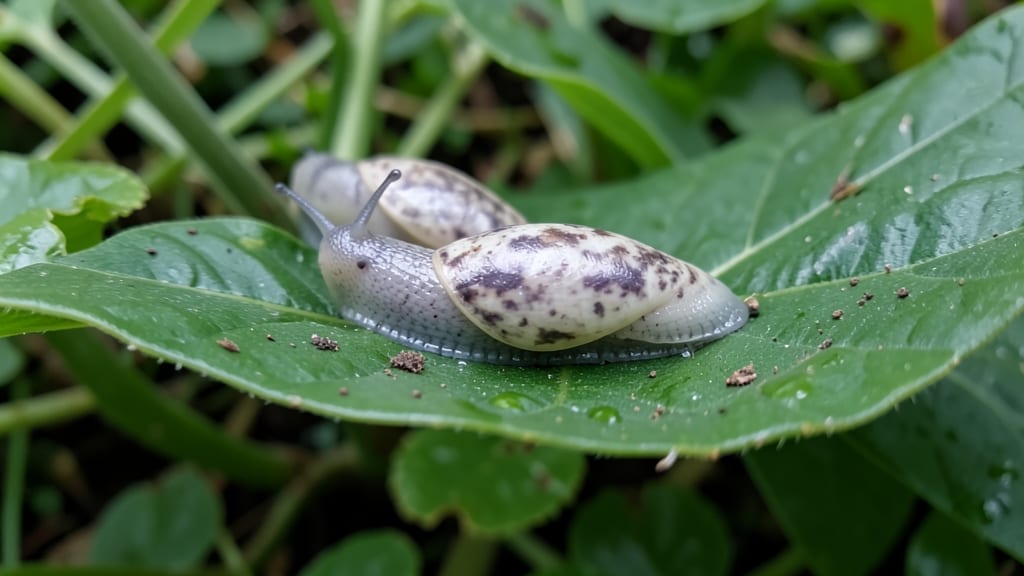
Snails on plants turn your garden into a buffet, and I’ve lost count of how many times I’ve woken up to chewed leaves on my hostas and lettuce. 🌿 The good news?
A simple copper tape barrier—something I first tried after a neighbor’s tomato plants were decimated—keeps them at bay without harsh chemicals.
Most people reach for slug bait or pesticides, but copper tape works because snails get a mild electric shock when they cross it. You’ll need about 10 feet for a small raised bed or 20 feet for a larger garden, and it lasts for years if you keep it clean.
The best part? It’s invisible to humans but deadly to snails.
Within a week, you’ll notice fewer slime trails at dawn, and your hostas, lettuce, and strawberries will stay intact. The tape doesn’t harm plants, pets, or beneficial insects—just the pests that ruin your harvest. Plus, it’s a one-time setup that saves you from weekly cleanups.
For extra protection, pair it with diatomaceous earth around the base of plants or introduce natural predators like ducks or frogs. This combo has kept my garden snail-free for three seasons running—no more waking up to a salad bar for slugs.
Why Slugs And Snails Invade Gardens
If your plants are suddenly sporting slimy trails or chewed leaves, you’re likely dealing with an unwanted houseguest: snails and slugs. These soft-bodied creatures are drawn to gardens for one key reason—your plants offer them the perfect buffet.
Understanding their motivations helps you outsmart them before they turn your garden into a snack bar. Here’s why they show up and how to stop the party.
Snails and slugs thrive in damp, shaded environments because their slimy bodies lose moisture quickly in dry or sunny conditions. If your garden stays soggy after rain, lacks proper drainage, or has dense foliage blocking sunlight, you’ve created a luxury resort for these pests.
- Why it happens: These creatures need moisture to breathe through their skin (they don’t have lungs!). A damp garden mimics their natural habitat—think forests or riverbanks.
- Actionable fix:
- Improve soil drainage by amending clay-heavy soil with compost or sand.
- Space plants to allow airflow and sunlight penetration.
- Water in the early morning so foliage dries by evening.
- 💡 Pro tip: Avoid mulching too heavily around susceptible plants like lettuce or hostas—opt for gravel or straw, which dries faster.
Not all plants are equally appealing to snails and slugs. They have a sweet tooth for tender, moisture-rich leaves, flowers, and fruits. If your garden is a salad bar of their favorites, they’ll stick around like uninvited dinner guests.
| High-Risk Plants | Why They Love It |
|---|---|
| Lettuce, Spinach, Kale | Soft, watery leaves = easy meals. |
| Hostas, Astilbes, Delphiniums | Thick, juicy foliage is irresistible. |
| Tomatoes, Peppers, Cucumbers | Fruits and vines provide both food and shelter. |
| Marigolds, Dahlias | Sweet-smelling flowers attract them for nectar. |
Actionable fix:
- Plant slug-resistant companions like thyme, rosemary, or geraniums near vulnerable plants.
- Choose hairy or waxy-leaved plants (e.g., lamb’s ear, snapdragons) that deter slimy climbers.
- Harvest crops before they ripen to remove the all-you-can-eat buffet.
Snails and slugs are nocturnal—they come out after dark when the air is cooler and more humid. This makes them harder to spot during the day, but their damage is very visible in the morning.
- Why it happens: They avoid predators (like birds and frogs) by hiding under boards, rocks, or dense mulch during daylight. Nighttime is their prime hunting time.
- Actionable fix:
- Set up glowing beer traps (yes, really!) or shallow dishes filled with soapy water near plants.
- Install solar-powered motion lights to discourage nighttime visitors.
- Check under plant saucers, pots, and garden decor at dusk—they love hiding there.
- 🔥 Nighttime patrol: Shine a flashlight over your garden after rain—you’ll often find them marching in a straight line toward their next meal.
In a balanced ecosystem, snails and slugs have many enemies—birds, frogs, ground beetles, and even chickens. But if your garden lacks these predators (or uses pesticides that kill them), the slimy invaders move in unchecked.
- Why it happens: Modern gardening often disrupts food chains. For example, neonicotinoid pesticides can harm beneficial insects that prey on slugs.
- Actionable fix:
- Attract predators by adding:
- Birdhouses or feeders for robins and thrushes (they love slugs).
- Ponds or shallow water sources to lure frogs and toads.
- Log piles or leaf litter for ground beetles and centipedes.
- Avoid broad-spectrum pesticides—opt for targeted organic sprays (like iron phosphate) instead.
- Attract predators by adding:
- 🌡️ Extreme heat trick: Place black plastic sheeting over infested areas on sunny days—slugs will retreat into the shade, making them easier to collect.
Natural Ways to Keep Slugs Away
Slugs and snails may seem like tiny troublemakers, but with the right strategies, you can protect your plants without harsh chemicals. Below are practical, nature-friendly solutions tailored to common causes—from overwatering to hiding spots—plus prevention tips to keep your garden slug-free long-term.
If your plants are magnets for slugs, it’s likely because the soil stays too moist. Slugs thrive in damp conditions, so drying things out is key.
How to Fix It:
- 🔥 Reduce Watering Frequency – Water deeply but less often to let the soil dry between sessions.
- 🍳 Improve Drainage – Add compost or sand to heavy clay soil to help it drain faster.
- 👨🍳 Use Mulch Strategically – Apply straw or pine needles (not wood chips, which hold moisture).
💡 Pro Tip: Water in the early morning so foliage dries quickly—slugs are less active when the sun comes out.
Slugs love dark, shady, and humid spots where they can hide during the day. Remove their cozy hideaways, and they’ll move on.
How to Fix It:
- 🔪 Clear Debris – Rake up leaves, logs, and thick mulch piles where slugs nest.
- ⏰ Prune Overgrown Plants – Trim dense foliage to let sunlight and airflow reach the soil.
- 🌡️ Add Gravel or Sharp Edgings – Create physical barriers (like crushed eggshells or diatomaceous earth) around vulnerable plants.
✨ Prevention Hack: Place flat stones or terracotta pots upside down—slugs avoid crawling over rough surfaces.
If slugs are still feasting, deter them with smells and textures they dislike.
How to Fix It:
- 🥘 Sprinkle Coffee Grounds – The bitter scent repels slugs (reapply after rain).
- 🍎 Plant Slug-Repelling Herbs – Surround vulnerable plants with mint, thyme, or garlic.
- 📊 Set Up Beer Traps – Bury a shallow dish filled with beer (slugs are attracted but drown—disgusting but effective!).
💡 Bonus: Crushed red pepper flakes or citrus peels also work as natural deterrents.
Once you’ve tackled the immediate problem, keep slugs from returning with these habits:
✅ Rotate Repellent Methods – Slugs can get used to one trick, so mix up your defenses. ✅ Encourage Natural Predators – Attract birds, frogs, and ground beetles with a diverse garden. ✅ Handpick at Night – If you spot slugs, drop them in soapy water (humane but effective). ✅ Avoid Nighttime Watering – Wet soil at night = slug buffet.
Final Thought: With consistent effort, your garden can stay slug-free while keeping your plants happy and healthy! 🌱🚫🐌
Frequently asked questions about snails on plants
Why do snails leave slime trails?
Snails produce slime trails to help them glide effortlessly and protect their delicate bodies. The mucus also creates a moisture barrier, allowing them to move across dry surfaces. These trails are a dead giveaway—they’re often silver or clear and can stretch up to 12 inches long. Check for them at dawn when snails are most active.
Are snails harmful to all plants?
Not all plants are equally appealing to snails. They target tender, moisture-rich foliage like lettuce, hostas, and marigolds. Plants with hairy or waxy leaves (such as lamb’s ear or snapdragons) or tough stems (like rosemary) are less likely to be eaten. Focus protection on vulnerable plants first.
How do I know if snails are the problem?
Look for irregular holes in leaves, chewed edges, and slimy trails on plants or soil. Snails leave behind a silver glaze on leaves where they’ve fed. Check under boards, rocks, and dense mulch at night—they hide there during the day.
Will copper tape work for all garden sizes?
Copper tape is most effective for small to medium gardens. For larger areas, combine it with diatomaceous earth or create physical barriers like crushed eggshells. You’ll need about 10 feet for a raised bed or 20 feet for a full garden. Keep it clean and dry for best results.
Can I use beer traps safely around pets?
Beer traps are pet-safe if placed where animals can’t access them. Use shallow dishes filled with beer and bury them slightly into the soil. Check traps daily and dispose of drowned snails. Avoid using soapy water traps near pets, as the soap can be harmful if ingested.