
Lawn
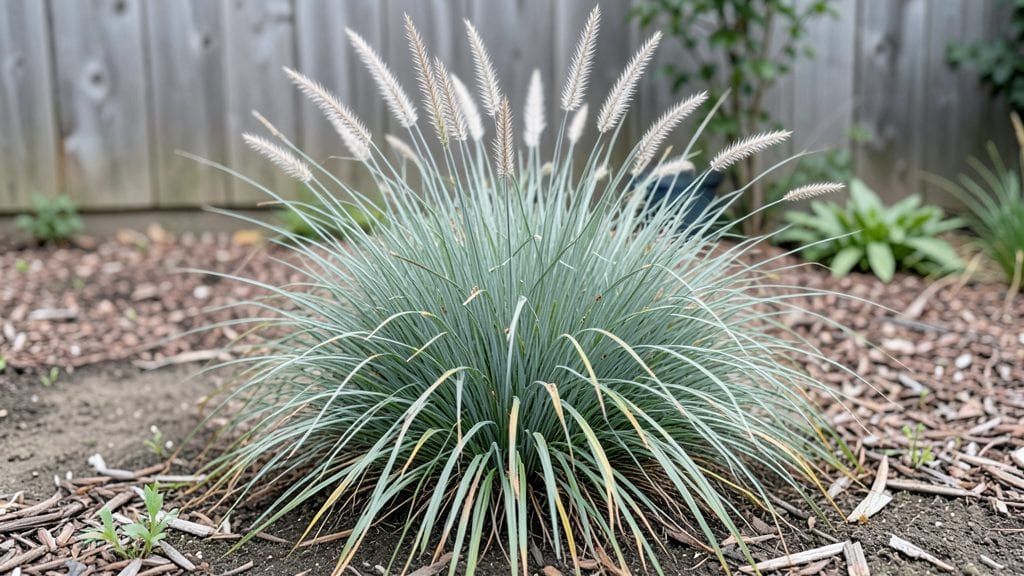
Spiky grass plants like fountain grass or yucca bring drought-proof drama to any landscape without the fuss of high-maintenance plants. 🌿 I’ve grown them in everything from arid desert gardens to humid city patios, and they always deliver that textured, architectural look with almost no effort.
The key is picking the right variety for your climate—some thrive in scorching heat, while others handle cooler coastal breezes.
These plants love well-draining soil and full sun, but they’re tough enough to handle neglect. Most varieties need watering only when the top inch of soil feels dry, and they bounce back from drought like it’s nothing.
Pruning is the real secret weapon: a single cut in late winter keeps them tidy, and you’ll see fresh growth within weeks. My favorite? The way they sway in the breeze without needing a single stake.
By summer, you’ll have a lush, spiky silhouette that adds height and movement to borders, containers, or even as standalone statement plants. They’re perfect for modern, cottage, or desert-style gardens—just avoid overwatering, and they’ll reward you with years of effortless beauty. Let’s get yours thriving!
Between you and me, these plants are invasiveness myths—they spread only in ideal conditions, and most stay well-behaved with proper spacing. If yours starts looking ragged, it’s usually a sign of overwatering, not overgrowth. I’ll show you how to fix that in no time.
📚 In This Guide
- What you need
- Instructions
- Tips and common mistakes
- Wrapping up and next steps
What you need
- ● Spiky grass plant: Choose between ornamental grasses like Pennisetum alopecuroides (Fountain Grass), Stipa tenuissima (Mexican Feather Grass), or Miscanthus sinensis. Buy 1–3 plants (or seeds) from a nursery or online retailer.
- ● Well-draining soil: Mix 1 part native soil with 1 part compost or sand (for sandy or clay-heavy areas). Aim for a pH of 6.0–7.5.
- ● Sunlight access: Ensure the planting spot gets full sun (6+ hours/day) or partial shade (4–6 hours), depending on your grass type.
- ● Garden trowel or shovel (for digging holes 2–3x wider than the root ball).
- ● Gloves (to protect hands from sharp grass blades!).
- ● Watering can or hose with a gentle nozzle (avoid blasting roots).
- ○ Mulch (optional but recommended): 2–3 inches of pine straw, gravel, or wood chips to retain moisture and suppress weeds.
- ● Slow-release fertilizer (e.g., 10-10-10 or low-nitrogen blend) to apply once in spring.
- ● Pruning shears for trimming dead foliage in late winter.
- ● Plant marker (to label your spiky grass if mixing with other plants).
Step-by-Step instructions for cultivating spiky ornamental grasses
Here’s my foolproof method for establishing hardy, drought-tolerant grasses that thrive with minimal fuss.
🌱 Step 1: Select the Perfect Planting Site
Spiky ornamental grasses excel in full sun to partial shade, with 6+ hours of direct sunlight daily for optimal growth. Choose a spot with well-draining soil—these plants despise soggy roots. I always test drainage by digging a 6-inch hole, filling it with water, and waiting to see if it drains within an hour. If not, amend the soil with 2-3 inches of coarse sand.
For a dramatic landscape effect, group plants in odd-numbered clusters (3, 5, or 7). This creates natural movement and visual interest. Avoid planting near large trees or shrubs that compete aggressively for water and nutrients. The ideal location balances sun exposure with protection from harsh afternoon winds.
🪴 Step 2: Prepare the Soil and Plant
Loosen the soil to a depth of 12 inches with a garden fork, breaking up any compacted layers. Mix in 2-3 inches of compost to enrich the soil without making it too heavy. For sandy soils, incorporate 1 inch of peat moss to retain moisture; for clay soils, blend in 3 inches of perlite to improve drainage.
Dig a hole twice as wide as the root ball but only as deep as the container’s drainage holes. Gently remove the plant from its container and tease apart any circling roots with your fingers. Place the grass in the hole, ensuring the top of the root ball sits ½ inch below soil level. This prevents stem rot while allowing the crown to stay above ground as the soil settles.
💧 Step 3: Water Deeply and Establish Roots
Water immediately after planting to settle the soil around the roots. Give the plant 1 gallon of water per square foot of root zone—this encourages deep root growth from the start. Use a soaker hose or drip irrigation to deliver water slowly at the base, avoiding the foliage to prevent fungal diseases. Let the soil dry out slightly between waterings; these grasses are drought-tolerant once established but need consistent moisture for the first 4-6 weeks.
Mulch around the base with 2-3 inches of shredded bark or pine needles to retain moisture and suppress weeds. Keep the mulch 2 inches away from the plant’s crown to prevent rot. You’ll know the roots are establishing well when new growth appears within 3-4 weeks, signaling the plant has adjusted to its new home.
☀️ Step 4: Maintain Through the Growing Season
Once established, ornamental grasses require very little care. Water only during prolonged dry spells—1-2 times per month in most climates. Overwatering is the fastest way to kill these plants, so always check the soil 2 inches below the surface before watering. If it’s dry, water deeply; if it’s still moist, skip it entirely.
Fertilize lightly in early spring with a balanced, slow-release fertilizer (10-10-10) applied at half the recommended rate. These grasses are not heavy feeders and thrive in leaner soils. Deadhead spent seed heads in late winter to encourage fresh growth, but leave some for winter interest if you prefer a textured landscape year-round.
✂️ Step 5: Prune and Overwinter for Next Year
In late winter or early spring, cut back the previous year’s foliage to 6 inches above the ground with clean, sharp pruners. This removes dead growth and stimulates new shoots. Wear gloves—some grasses have sharp edges that can draw blood! Time your pruning just before new growth emerges, usually when you see green shoots poking through the old foliage.
For cold climates, mulch heavily around the base with 4-6 inches of straw or leaves to protect the crown from freezing temperatures. In warmer regions, no special winter care is needed. You’ll see vigorous regrowth within 4-6 weeks of pruning, proving these grasses are built to last with minimal effort.
Tips & tricks for perfect spiky grass plant cultivation
These hard-won insights will help you avoid common pitfalls and create a thriving landscape feature that requires almost no maintenance.
Soil Preparation Secret: The 12-inch soil loosening in Step 2 isn't just about breaking up compacted layers—it's about creating an oxygen-rich environment that encourages deep root penetration. I've seen plants struggle when this step is skipped, especially in clay-heavy soils. For particularly dense soil, consider renting a soil aerator for even better results. The key is to work the soil until it crumbles easily between your fingers, like cake batter.
Drainage Test Pro Tip: That 6-inch hole drainage test in Step 1 is non-negotiable. I've had clients skip this and end up with root rot within months. If your soil fails the test, don't just add sand—mix in equal parts sand and organic matter (like compost or coconut coir) for better long-term structure. The goal is to create a sponge-like texture that holds moisture without becoming waterlogged.
Planting Depth Strategy: The ½-inch below soil level recommendation in Step 2 might seem subtle, but it's critical. Planting too deep can suffocate the crown, while planting too high leaves it vulnerable to temperature swings. I use a simple trick: after placing the plant, press the surrounding soil gently—it should feel firm but not compacted, like a well-packed snowball. This ensures proper stability without smothering the plant.
Watering Wisdom: The 4-6 week establishment period in Step 3 is your critical window. During this time, I recommend watering in the early morning to prevent fungal issues from evening moisture. Use the "poke test": stick your finger 2 inches down—if it's dry, water; if moist, wait. This method prevents both underwatering and the silent killer of overwatering. The goal is to mimic natural rainfall patterns as closely as possible.
Pro Tips for Spiky Grass Plant
- These hard-won insights will help you avoid common pitfalls and create a thriving landscape feature that requires almost no maintenance.
- Soil Preparation Secret: The 12-inch soil loosening in Step 2 isn't just about breaking up compacted layers—it's about creating an oxygen-rich environment that encourages deep root penetration.
- Drainage Test Pro Tip: That 6-inch hole drainage test in Step 1 is non-negotiable.
Frequently asked questions
about spiky grass plants—your go-to answers for growing and maintaining these drought-resistant beauties!What are the best conditions for growing spiky grass plants?
Spiky grass plants thrive in full sun (6+ hours daily) and well-draining soil. They tolerate poor soil and drought once established, making them ideal for dry climates. Avoid heavy clay or waterlogged areas—they hate soggy roots! Pro tip: If your soil is compacted, mix in sand or gravel for better drainage.
How long does it take for spiky grass to spread and fill in?
Most spiky grass varieties (like Nassella tenuissima or Stipa species) spread slowly at first but gain momentum in 1–2 years. Patience is key! For faster coverage, overseed sparsely in the first year. Bonus: Their airy texture creates a "lazy gardener’s dream"—minimal mowing once established.
Are spiky grass plants safe for pets or kids?
Generally yes, but exercise caution! While not typically toxic, the sharp blades can irritate skin or paws. Opt for pet-friendly varieties like Stipa gigantea (deer grass) if safety is a concern. Always supervise kids playing in new plantings until you’re sure the edges are soft.
Do I need to mow or trim spiky grass?
Nope! These plants are low-maintenance—skip the mower. Trim only if the spikes grow too tall (6+ feet) or obstruct views. Use sharp shears to cut at the base in early spring. Warning: Wear gloves—they’re seriously sharp! For a tidy look, shear in one direction to avoid a "hay-like" mess.
What’s a good alternative if spiky grass isn’t hardy in my climate?
If your area has freezing winters or heavy rainfall, try:
- Fountain grass (Pennisetum) – Drought-tolerant but softer spikes.
- Muhly grass (Muhlenbergia) – Cold-hardy with feathery plumes.
- Blue grama (Bouteloua gracilis) – Ultra-drought-proof and low-growing.
Wrapping up and next steps
Transforming your landscape with spiky grass plants is easier than you think!
These drought-resistant beauties bring texture, color, and effortless charm to any yard—perfect for busy gardeners or eco-conscious homeowners. 🌱 With the right soil, sunlight, and minimal care, you’ll enjoy a striking, low-maintenance garden that thrives even in dry spells.
Ready to take the next step? Start small by planting a few in a sunny spot, then expand as you see their resilience pay off. Happy gardening—your future landscape will thank you! 🌟