
Planting
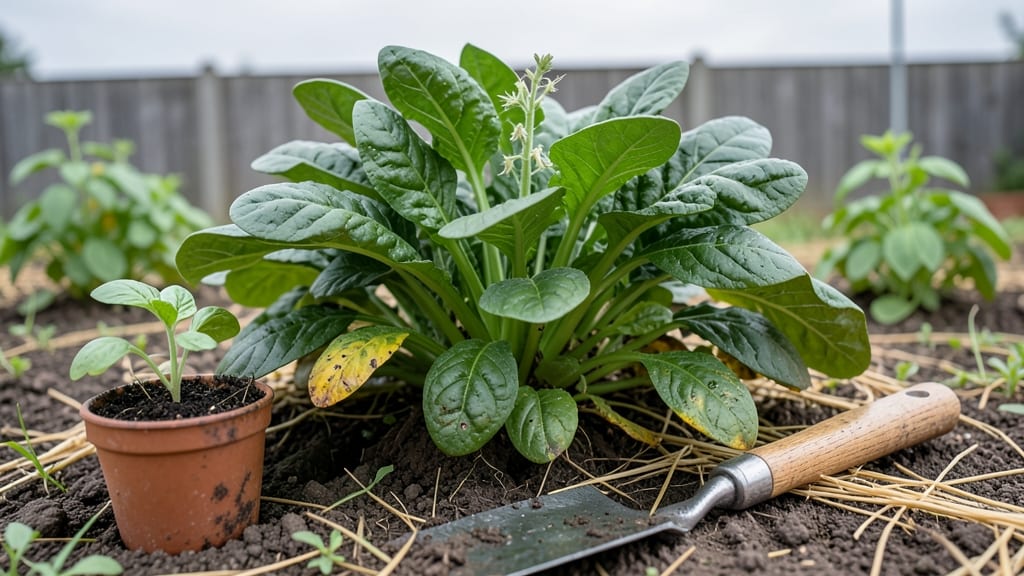
Here are spinach planting tips you won’t find in seed packets—like why my first crop bolted before May despite "perfect" soil. The key is amending with compost and a balanced fertilizer before sowing, even in cooler months when spinach thrives.
Once your soil’s ready, direct-sow seeds just ½-inch deep, 1-inch apart, in rows spaced 12 inches apart. Thin seedlings to 4 inches when they’re 2 inches tall—this prevents overcrowding and gives each plant room to grow.
Water gently after planting to settle the soil without disturbing seeds, and keep the bed consistently moist (but not soggy) for steady germination.
📚 In This Guide
- What you need
- Instructions
- Tips and common mistakes
- Wrapping up and next steps
What you need
- ● Spinach Seeds: Choose cold-hardy varieties like 'Bloomsdale Long Standing' or 'Tyee'. Buy 1-2 packets (100-500 seeds) depending on your space.
- ● Growing Space: Outdoor: A sunny to partially shaded spot (4-6 hours of light daily). Raised beds or in-ground soil work well.
- ● Container: 5-6 inch deep pots (minimum 12" diameter) with drainage holes. Use 2-3 plants per container.
- ● Soil: Well-draining, nutrient-rich soil with a pH of 6.5-7.0. Mix equal parts compost and garden soil (or use potting mix for containers).
- ● Water: A watering can or hose with a gentle spray nozzle (avoid soaking seeds).
- ● Fertilizer: Balanced organic fertilizer (e.g., 10-10-10 or compost tea). Apply every 3-4 weeks.
- ● Hand Trowel: For planting seeds ½ inch deep.
- ○ Gloves: Optional but recommended for soil handling.
- ● Mulch: Straw or shredded leaves (1-2 inches) to retain moisture and suppress weeds.
- ○ Row Cover: Lightweight fabric to protect seedlings from pests (optional but useful for early/late planting).
- ○ pH Test Kit: To verify soil acidity (optional but handy for troubleshooting).
- ● 🌡️ Timing: Spinach thrives in cool weather (40°F-75°F). Plant in early spring or late summer/fall for best results.
- ● 🌱 Prep Work: Loosen soil to 6-8 inches deep and remove weeds/debris.
- ● 💡 Spacing: Sow seeds 1 inch apart in rows 12-18 inches apart (thin to 4-6 inches between plants as they grow).
Step-by-step spinach planting instructions for a thriving garden
Here's the straightforward method I’ve used for years to grow spinach that’s both abundant and flavorful.
Choose the Right Planting Time and Location
Spinach thrives in cool weather, so plant it in early spring or late summer for fall harvests. Aim for temperatures between 40°F and 75°F—any hotter, and the leaves will bolt quickly. A spot with partial shade (4-6 hours of sunlight daily) works best, especially in warmer climates. If you're planting in summer, focus on afternoon shade to keep the soil cooler.
I always test the soil a week before planting by pressing my finger into it. If it feels dry to the touch, water it thoroughly 2-3 days ahead of time. The goal is moist but not soggy soil—spinach roots need consistent moisture but hate sitting in water.
Prepare the Soil for Optimal Growth
Loosen the soil to a depth of 6 inches with a garden fork or tiller, breaking up any clumps. Spinach prefers well-draining soil rich in organic matter. Work in 2-3 inches of compost or aged manure to provide nutrients without overwhelming the plants. If your soil is heavy clay, mix in a handful of sand or perlite to improve drainage.
Spinach is sensitive to soil pH, so aim for a range of 6.5 to 7.0. If your soil is too acidic, sprinkle a thin layer of lime and till it in a few weeks before planting. You’ll know the soil is ready when it crumbles easily between your fingers and smells earthy, not sour or chemical.
Plant Seeds at the Correct Depth and Spacing
Scatter seeds ½ inch deep and 1 inch apart in rows spaced 12 inches apart. Planting too deep slows germination, while spacing them too far apart wastes space. I like to use a small hand shovel to create shallow furrows, then drop seeds in and cover lightly with soil. Press gently to ensure good seed-to-soil contact.
Water the soil immediately after planting to settle the seeds and keep them moist. A fine mist from a spray bottle works best—avoid heavy watering, which can wash seeds away. Within 5-10 days, you’ll see tiny seedlings emerge. Thin them to 3-4 inches apart once they’re 2 inches tall to give each plant room to grow.
Maintain Consistent Moisture and Fertility
Keep the soil evenly moist but never waterlogged. Spinach needs about 1 inch of water per week, delivered through gentle watering at the base of the plants. Water in the morning so leaves dry quickly, reducing the risk of fungal diseases. Mulch with 2-3 inches of straw or shredded leaves to retain moisture and suppress weeds.
Feed the plants with a balanced, water-soluble fertilizer (like 10-10-10) every 3-4 weeks during the growing season. You’ll notice healthier, darker green leaves within a week of applying fertilizer. Harvest outer leaves first to encourage continuous growth—this prevents the plant from bolting too quickly.
Harvest and Encourage Regrowth
Start harvesting when leaves reach 4-6 inches tall, cutting them at the base with clean scissors. This method allows the plant to regrow for 3-4 weeks before it bolts. I always pick leaves in the morning when they’re crispest and most flavorful. Avoid pulling entire plants unless you’re ready to replant.
If spinach bolts (sends up a flower stalk), pull it immediately and replant for a fresh batch. Successive plantings every 2 weeks in spring and fall keep your harvest going all season. With the right care, you’ll enjoy fresh spinach straight from your garden for months.
Tips & tricks for perfect spinach planting
These soil-focused strategies will help you grow spinach that's both abundant and flavorful year-round.
Soil Temperature Timing: The 40°F to 75°F range is non-negotiable for spinach success. I always check soil temperature with a simple soil thermometer before planting. In cooler climates, you can extend your growing season by planting under row covers to maintain these ideal temperatures. For summer plantings, focus on afternoon shade to prevent soil from heating beyond 75°F, which triggers bolting.
Seed Depth Precision: Planting seeds exactly ½ inch deep creates the perfect balance between germination speed and root development. I use a ruler to measure my furrow depth—any deeper and seeds may struggle to emerge, while shallower planting risks drying out. For heavy clay soils, mix in a handful of perlite to improve drainage while maintaining that precise planting depth.
Watering Consistency Strategy: The 1 inch of water per week guideline works best when delivered through gentle morning watering at the soil base. I use a rain gauge to track weekly rainfall and supplement only when needed. A simple trick is to place a shallow container in your planting area—when it collects 1 inch of water, you've met the weekly requirement. This prevents overwatering, which can lead to fungal issues.
Fertilizer Timing Secret: The 3-4 week fertilizer schedule with balanced 10-10-10 works wonders, but timing matters. I apply fertilizer in the morning after watering, which helps prevent root burn. You'll notice the darkest green leaves appear within 5-7 days of application. For organic options, use compost tea every 2 weeks instead of chemical fertilizers—it provides similar benefits without risk of over-fertilization.
Pro Tips for Spinach Planting Tips
- These soil-focused strategies will help you grow spinach that's both abundant and flavorful year-round.
- Soil Temperature Timing: The 40°F to 75°F range is non-negotiable for spinach success.
- Seed Depth Precision: Planting seeds exactly ½ inch deep creates the perfect balance between germination speed and root development.
Frequently asked questions
When is the best time to plant spinach?
Spinach thrives in cool weather, so plant it 4-6 weeks before the last frost in spring or 6-8 weeks before the first frost in fall. For year-round success, try successive plantings every 2-3 weeks—this ensures a steady harvest. In mild climates, you can even grow spinach in winter with row covers!
How long does it take for spinach to grow after planting?
Baby spinach leaves are ready in 30-40 days, while full-sized leaves take 45-55 days. For continuous harvests, pick outer leaves first—this encourages regrowth. Pro tip: If heat sets in (above 80°F), spinach bolts (goes to seed) quickly, so prioritize early or late-season planting!
Can I grow spinach in containers or small spaces?
Spinach grows well in containers at least 6 inches deep with good drainage. Use a balanced fertilizer (like 10-10-10) and space plants 4-6 inches apart. For small gardens, try bush varieties like 'Baby’s Leaf Hybrid'—they’re compact and productive. Just ensure they get 4-6 hours of sunlight daily.
What pests or diseases should I watch for in spinach?
Common spinach pests include aphids, flea beetles, and slugs. Use row covers early to deter insects, and handpick slugs at night. For diseases, downy mildew (gray fuzz on leaves) thrives in wet conditions—improve airflow and avoid overhead watering. Rotate crops yearly to prevent soil-borne issues.
How do I store freshly harvested spinach?
Store spinach in the crisper drawer of your fridge (unwashed) for 5-7 days. For longer storage, blanch and freeze leaves: Dip in boiling water for 30 seconds, then ice bath, dry, and freeze in airtight bags. Pro tip: Wrap stems in a damp paper towel before storing to keep them crisp!
Wrapping up and next steps
Growing spinach is a rewarding journey—whether you’re a seasoned gardener or just starting out! 🌱 With the right soil secrets, proper spacing, and a little patience, you’ll soon enjoy a thriving harvest of nutrient-packed greens.
Remember, healthy soil = happy plants, so prioritize organic matter, balanced pH, and consistent moisture for the best results.
Now that you’re armed with these spinach planting tips, it’s time to roll up your sleeves and get growing! Start small—try a few rows or even a container garden—and watch your confidence (and spinach!) grow. Happy planting! 🌿