
Companion Plants
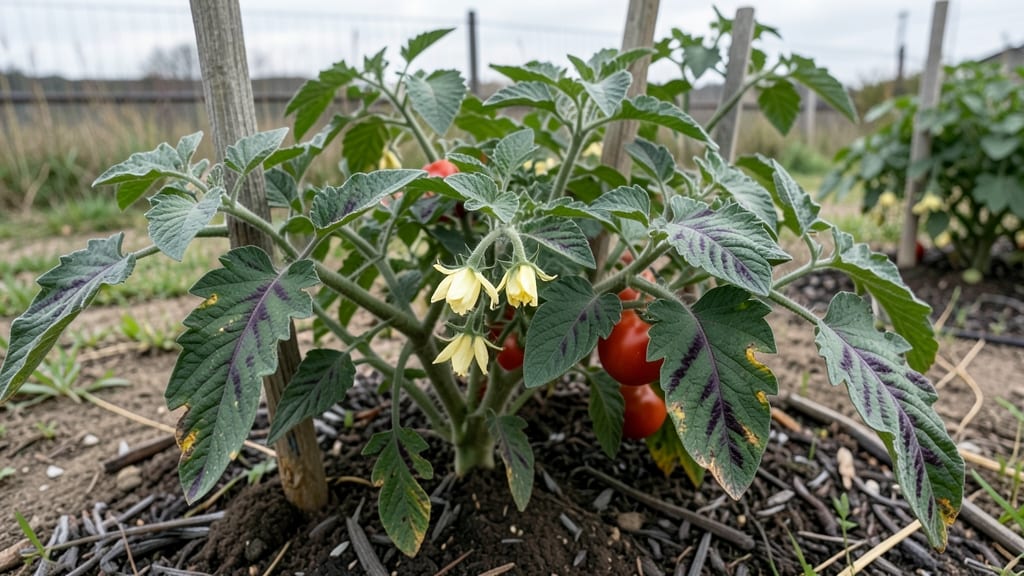
Those mysterious stripey tomato plants might seem like a death sentence, but they’re actually a sign your plant is fighting back—if you know how to help. 🌱 I’ve spent three summers wrestling with striped leaves, only to learn these patterns often reveal fungal pressure or viral stress hiding in plain sight.
The good news? Pruning strategically can redirect energy toward fruit and slow disease spread, even when the stripes won’t disappear.
Start by snipping off any leaves with crispy edges or yellowing stripes—those are fungal hotspots. Next, thin out crowded branches to improve airflow, which dries leaves faster and starves fungal spores.
My third trick is pruning above the lowest fruit clusters to boost ripening while keeping the plant’s energy focused where it counts. It’s not about removing stripes, but giving your plant a fighting chance to bounce back.
Within two weeks, you’ll notice fewer stripes on new growth and heavier fruit sets. The key is consistency: check plants weekly for new stripes, and prune aggressively during humid mornings.
Your goal isn’t perfect leaves—it’s a tomato plant that’s productive despite the stress. This method works for heirlooms, cherry tomatoes, and even those stubborn striped seedlings you thought were doomed.
Fair warning: if stripes appear and leaves curl or plants wilt, you might be dealing with a viral infection like Tobacco Mosaic Virus—pruning alone won’t fix that. But for fungal stress?
These tricks cut down on spread while keeping your harvest on track. Grab your shears and let’s turn those stripes into a manageable problem, not a season-ender.
📚 In This Guide
- What you need
- Instructions
- Tips and common mistakes
- Wrapping up and next steps
What you need
- ● Stripey tomato seeds or seedlings: 3–5 plants (depending on space). Look for heirloom or hybrid varieties with variegated leaves (e.g., 'Tigerella,' 'Striped Aunt Gammy,' or 'Striped Roman').
- ● Containers or garden bed: Containers: 5-gallon pots or larger (1 plant per container). Ensure they have drainage holes.
- ● Garden bed: Full sun (6–8+ hours/day), well-draining soil with a pH of 6.0–6.8.
- ● High-quality potting mix: 1–2 bags (sterilized, organic, and amended with compost or aged manure for nutrients).
- ● Pruning tools: Bypass pruners (clean, sharp, and sterilized with rubbing alcohol between cuts).
- ○ Optional: Garden shears for larger branches.
- ● Support system: Cages or stakes: 5–6 ft tall (e.g., tomato cages, bamboo stakes, or trellis netting).
- ● Soft ties: Twist ties, Velcro straps, or old T-shirts (to avoid damaging stems).
- ● Fertilizer: Balanced organic fertilizer (e.g., 5-5-5 or 10-10-10) for transplanting.
- ● Tomato-specific fertilizer (high in potassium and phosphorus) for fruiting.
- ● Mulch: Straw, grass clippings, or shredded leaves (2–3 inches thick) to retain moisture and deter fungi.
- ● Companion plants: Basil, marigolds, or borage to repel pests and boost growth.
- ● Fungicide: Copper-based spray or neem oil (preventative measure for stripey varieties prone to blight).
- ● Grow lights: If starting indoors (LED or fluorescent, 12–16 hours/day).
- ● Soil moisture meter: To monitor watering needs (stripey plants love consistency!).
Instructions for pruning stripey tomato plants
Here's how to channel that wild growth into bigger, healthier fruit while keeping diseases at bay.
🌿 Step 1: Identify and Remove Suckers Early
Start by spotting those little shoots growing between the main stem and branches—those are suckers. They compete with your plant for energy, so pinch them off cleanly with your thumb and forefinger when they're about 1-2 inches tall. I always do this in the morning so the wound has time to dry before evening moisture sets in.
Focus on the first few suckers near the base first. These plants grow fast, so check weekly. If you see a sucker growing from a branch instead of the main stem, leave it—it'll become a productive side shoot. The key is consistency; one missed sucker won't ruin everything, but letting them grow unchecked weakens the plant over time.
✂️ Step 2: Prune for Airflow and Light Penetration
Use clean, sharp pruning shears to trim away any leaves touching the soil or crowded branches. This prevents fungal spores from finding a home and lets sunlight reach the lower fruit. I aim to keep the inside of the plant as open as possible—think of it like giving your tomatoes a breath of fresh air.
Remove any yellow or spotted leaves immediately. These are disease magnets, and stripey tomatoes are already prone to issues like early blight. Cut back to a healthy leaf or stem, and always disinfect your tools with rubbing alcohol between cuts. You'll notice the plant perks up within days as new growth fills in the gaps.
☀️ Step 3: Train Vines to Grow Upward and Outward
Gently tie the main stem to your tomato cage or trellis using soft plant ties. This keeps the plant upright and prevents breakage from heavy fruit. I like to weave the branches outward as they grow, creating a natural canopy that maximizes sunlight exposure. Avoid tying too tightly—you want room for the stem to thicken.
For indeterminate stripey varieties, let 2-3 main branches grow outward from the stem. Prune back any additional side shoots to keep energy focused on these. You'll see fruit set more evenly when the plant isn't overloaded with too many growing points. This method also makes harvesting easier—no more bending over to pick tomatoes from the ground!
💧 Step 4: Adjust Watering After Pruning
After a major pruning session, water deeply at the base of the plant. This helps the remaining leaves recover and prevents stress. I usually water in the early morning so the foliage has time to dry before nightfall. Avoid getting water on the leaves themselves—this reduces the risk of fungal infections.
Monitor the soil moisture daily after pruning. You'll notice the plant responds quickly to consistent care—new leaves will emerge within a week, and existing ones will firm up. If you see wilting despite moist soil, it might be a sign of root disturbance from pruning. In that case, give it a few extra days before resuming normal care.
Tips & tricks for pruning stripey tomato plants
These simple tricks will help you transform your stripey tomato plants into productive powerhouses while keeping fungal diseases at bay.
Timing Secret: I've found that pruning in the morning gives your plants the entire day to recover before evening moisture sets in. This reduces stress and minimizes the risk of fungal infections. If you must prune later, wait until at least 4 hours before sunset to allow the wounds time to dry.
Tool Technique: Always disinfect your pruning shears between cuts using rubbing alcohol. I keep a small bottle of 70% isopropyl alcohol in my gardening toolkit. This prevents spreading fungal spores from infected areas to healthy parts of your plant. Sterilizing tools is especially important when dealing with stripey tomato varieties that are prone to early blight.
Visual Cues: When removing suckers in Step 1, look for the little shoots growing in the "V" between the main stem and branches. These are the ones to remove - they're competing with your plant for energy. Leave any suckers growing from the branches themselves, as these will become productive side shoots that help increase your yield.
Growth Strategy: For indeterminate stripey varieties, focus on developing just 2-3 main branches from the stem. This creates a balanced plant that produces fruit more evenly. I've seen plants with too many branches become overloaded, leading to smaller fruit and increased disease risk. Think of it like training a vine - you want controlled growth, not wild sprawl.
Pro Tips for Stripey Tomato Plants
- These simple tricks will help you transform your stripey tomato plants into productive powerhouses while keeping fungal diseases at bay.
- Timing Secret: I've found that pruning in the morning gives your plants the entire day to recover before evening moisture sets in.
- Tool Technique: Always disinfect your pruning shears between cuts using rubbing alcohol.
Frequently asked questions
Got questions about those striking stripey tomato plants? You’re not alone! Here are answers to the most common queries—from pruning tips to troubleshooting—so you can grow healthier plants and juicier tomatoes.
Why do my tomato plants have stripes?
Those stripey tomato plants aren’t a disease—they’re a sign of viral infection, often Tobacco Mosaic Virus (TMV) or Tomato Mosaic Virus (ToMV). Stripes (or mottled patterns) appear on leaves, stems, and sometimes fruit. While infected plants won’t produce high-quality fruit, they can spread the virus to healthy plants via sap or tools. Isolate and remove infected plants immediately to protect your garden.
When is the best time to prune stripey tomato plants?
Prune stripey tomato plants early in the morning when the plant is turgid (full of water) and temperatures are cool. For indeterminate varieties, prune weekly during the growing season (spring to early summer), focusing on:
- Removing lower leaves touching soil (reduces disease risk).
- Trimming suckers (shoots between main stem and branches).
- Cutting yellow/diseased leaves to stop fungal spread.
Can I still save stripey tomato plants?
If your plant has mild stripes but no severe wilting or fruit deformities, you can try to save it by:
- Pruning aggressively to remove infected leaves (sterilize tools with rubbing alcohol!).
- Using copper fungicide to prevent secondary infections.
- Avoiding overhead watering to dry leaves quickly.
What are good companion plants for stripey tomato plants?
Even if your tomatoes are stripey, companion planting can still deter pests and improve soil. Try:
- Basil – Repels mosquitoes and improves tomato flavor.
- Marigolds – Deter nematodes and fungal diseases.
- Garlic/Onions – Natural pest repellents.
- Avoid brassicas (cabbage, broccoli) or fennel—they compete with tomatoes.
Will stripey tomatoes still be edible?
Yes, but with caveats:
- Fruit from mildly infected plants is safe to eat but may be smaller, misshapen, or bland.
- Avoid eating severely discolored or puckered tomatoes—they could harbor higher virus loads.
- Use stripey tomatoes for sauces, salsas, or cooking (heat may reduce virus risk).
Wrapping up and next steps
Growing stripey tomato plants can be a rewarding challenge—with the right pruning tricks, you’ll not only boost fruit production but also keep fungal diseases at bay. 🌱 By mastering selective pruning, airflow optimization, and disease prevention, you’re well on your way to a thriving, productive plant.
Now that you’re armed with the know-how, roll up your sleeves and give it a try!
Ready to take it further? Experiment with companion plants like basil or marigolds to enhance growth and deter pests—your garden (and your taste buds!) will thank you. 🌿