
Size
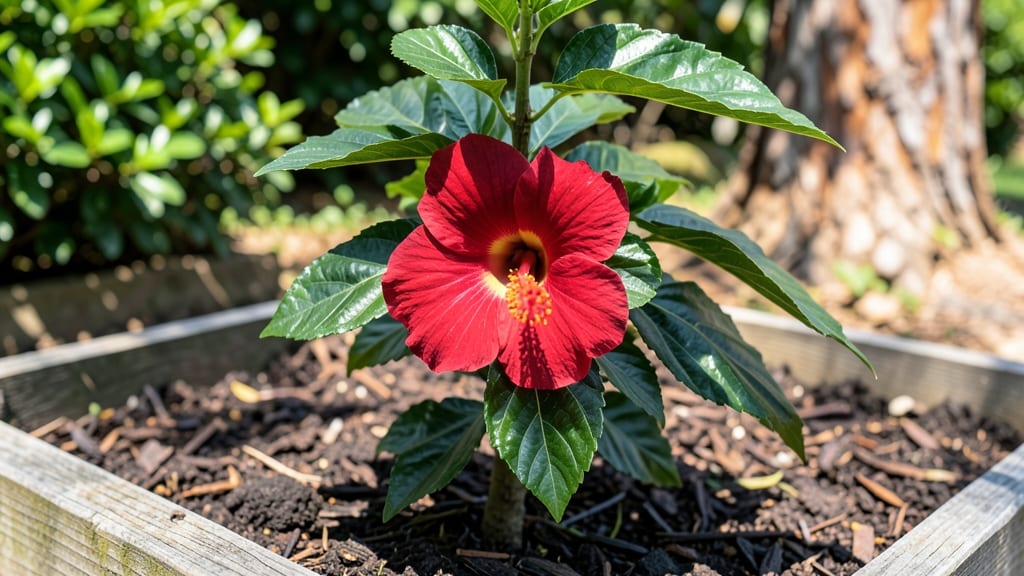
Growing a tall hibiscus plant that reaches sky-high with minimal pruning is easier than you think—just pick the right variety and give it space to shine. 🌿 I’ve grown tropical hibiscus (Hibiscus rosa-sinensis) that towered over my porch railing without heavy pruning, and the secret lies in choosing a vigorous type like ‘Dwarf Red’ or ‘Pink Giant’ that naturally grows 6–10 feet tall.
The key is mimicking their tropical roots: full sun (6+ hours daily), well-draining soil rich in organic matter, and consistent moisture—never soggy. In warmer climates (zones 9–11), they thrive outdoors year-round; cooler zones need winter protection or container growing. A slow-release fertilizer in spring keeps them blooming nonstop.
You’ll end up with a lush, flowering giant that attracts hummingbirds and adds drama to any space. The blooms last for days, and the glossy leaves stay vibrant with proper care. Minimal pruning? Just trim dead flowers and shape lightly in early spring to encourage new growth.
Works for containers, borders, or as a standalone specimen—just give it room to stretch. Here’s how to keep it thriving all season long.
📚 In This Guide
- What you need
- Instructions
- Tips and common mistakes
- Wrapping up and next steps
What you need
- ● Tall hibiscus plant: Choose a Hibiscus rosa-sinensis variety (e.g., ‘Dwarf Red’, ‘Pink Giant’, or ‘Tropical Sunset’) from a nursery or online retailer. Pro tip: Opt for a 3–4 ft mature plant for faster height potential!
- ● Well-draining potting mix: 5–10 gallons of a blend like African violet mix + perlite (or 60% peat/40% perlite for DIY). 💡 Avoid garden soil—it compacts and rots roots!
- ● Container: A 15–20 gallon pot with drainage holes (or a whiskey barrel planter for a rustic look). ✨ Tip: Use a cache pot for a polished finish!
- ● Slow-release fertilizer: 10–15 lb of 10-10-10 or 20-20-20 granules mixed into the soil. 🌡️ Reapply every 3–4 months.
- ● Pruning shears: Bypass pruners (sharp, 4–6 inch blades) for clean cuts. ⚠️ Sterilize with rubbing alcohol to prevent disease!
- ● Gloves: Heavy-duty gardening gloves (hibiscus thorns are no joke!).
- ● Support stake: 6–8 ft bamboo stake or a trellis for tall varieties (e.g., ‘Tropical Sunset’).
- ● Watering can: 2–3 gallon capacity with a rose nozzle for deep, slow watering.
- ○ Optional but helpful: Mulch (e.g., orchid bark) to retain moisture.
- ● pH test kit (ideal range: 6.1–6.5).
- ● Humidity tray or pebble tray for dry climates.
- ● Sunlight: 6+ hours of direct sun daily (south/west-facing spot is ideal). 🔥 No shade = no blooms!
- ● Climate: Thrives in USDA Zones 10–12; indoors or in greenhouses for cooler zones.
- ● Patience: Tall hibiscus can grow 10+ ft with minimal pruning—but it takes 1–2 years for full height!
How to grow a towering hibiscus plant with fewer cuts
Skip the aggressive pruning—here’s how to coax a naturally tall hibiscus into a blooming giant with simple care.
🌱 Step 1: Pick the Right Spot for Maximum Height
Hibiscus plants need full sun exposure—at least 6-8 hours of direct sunlight daily—to grow tall and strong. I always choose the sunniest corner of my yard because even partial shade will stunt their vertical growth. The soil should drain well, so if your garden holds water, amend it with 2-3 inches of compost before planting.
Dig a hole twice as wide as the root ball but only as deep as the container it came in. This encourages roots to spread outward for stability. Gently remove the plant from its pot, loosen the roots if they’re circling, and place it in the hole. The top of the root ball should sit 1 inch below ground level—this prevents rot while giving the stem a sturdy base.
💧 Step 2: Water Deeply but Infrequently
Newly planted hibiscus need 1-2 gallons of water every 2-3 days until established, but mature plants thrive on deep watering once a week. I always check by sticking my finger 2 inches into the soil—if it feels dry, it’s time to water. Overwatering is the #1 killer of tall hibiscus, so let the top 3-4 inches of soil dry out between waterings.
Water at the base, not the leaves, to avoid fungal diseases like powdery mildew. Mulch around the plant with 2-3 inches of organic mulch to retain moisture and keep roots cool. This is especially important in hot climates where hibiscus can suffer from heat stress.
☀️ Step 3: Feed for Height and Blooms
Use a balanced, slow-release fertilizer (like 10-10-10) in early spring to kickstart growth. I apply ½ cup per plant every 6 weeks during the growing season. Hibiscus are heavy feeders, but too much nitrogen makes them grow leaves instead of flowers. Switch to a low-nitrogen, high-phosphorus fertilizer (like 5-10-5) in late spring to encourage blooms.
Watch for yellowing leaves—they’re a sign of over- or under-fertilizing. If the soil looks crusty or white deposits form, flush it with water to prevent salt buildup. A healthy hibiscus will grow 3-6 feet per year with proper feeding and sunlight.
✂️ Step 4: Prune Strategically for Height
Minimal pruning is key to keeping hibiscus tall. Cut back only dead, diseased, or crossing branches in late winter or early spring. Avoid heavy pruning unless you want to reset the plant’s shape—hibiscus bloom on new growth, so aggressive cuts reduce flowers. If you notice leggy growth, trim just above a leaf node to encourage bushier, taller stems.
Never prune in fall—new growth won’t harden off before winter. Instead, remove only the oldest, woody stems to make room for younger, more vigorous shoots. A lightly pruned hibiscus will naturally grow taller with fewer blooms sacrificed.
🪴 Step 5: Support and Protect for Year-Round Growth
Tall hibiscus benefit from staking or a small trellis to prevent wind damage. I use 3-4 foot bamboo stakes tied loosely with soft plant ties—tightening too much can girdle the stem. In cold climates, wrap the base with burlap or frost cloth in late fall to protect roots from freezing.
Watch for pests like aphids or spider mites, which love hibiscus leaves. Spray with neem oil or insecticidal soap at the first sign of webbing or sticky residue. A healthy, well-supported hibiscus will reward you with 5-6 foot stems and vibrant blooms year after year.
Tips & tricks for growing a towering hibiscus plant
Here's what I've learned after years of growing hibiscus that reach for the sky without needing constant pruning.
The Sunlight Secret: Those 6-8 hours of direct sunlight in Step 1 really make the difference. I've noticed that even 1-2 hours less daily sunlight can reduce your hibiscus's height by nearly 2 feet over a growing season. If you're planting in a shady spot, consider using a grow light for 4-6 hours daily during the plant's first year to compensate.
Watering Wisdom: The 2-inch soil check in Step 2 is your best friend. I've ruined multiple hibiscus plants by overwatering—always let that top 3-4 inches dry out completely between waterings. In containers, this means watering every 3-4 days instead of daily. The mulch layer you add should be kept about 2 inches away from the stem to prevent rot.
Fertilizer Timing: The 6-week schedule for that ½ cup of balanced fertilizer is perfect, but here's a pro tip: split that ½ cup into two applications—give ¼ cup in early spring and another ¼ cup mid-summer. This prevents nutrient burnout and keeps your hibiscus growing steadily throughout the season. And remember, that switch to low-nitrogen fertilizer in late spring is crucial for those spectacular blooms.
Pruning Precision: When trimming those leggy stems in Step 4, look for the first set of leaves after the growth spurt—this is your leaf node. Cut just above it at a 45-degree angle to encourage outward growth. I've found that making these cuts in late winter (February in my zone) gives the plant the whole growing season to recover and produce new blooms.
Pro Tips for Tall Hibiscus Plant
- Here's what I've learned after years of growing hibiscus that reach for the sky without needing constant pruning.
- The Sunlight Secret: Those 6-8 hours of direct sunlight in Step 1 really make the difference.
- Watering Wisdom: The 2-inch soil check in Step 2 is your best friend.
Frequently asked questions
Got questions about growing tall hibiscus plants? You’re not alone! Here are answers to the most common queries—from care tips to troubleshooting—so you can enjoy those sky-high blooms with confidence.
How tall can a hibiscus plant grow without pruning?
A tall hibiscus plant like Hibiscus rosa-sinensis can reach 10–20 feet if left unpruned, though growth depends on variety, climate, and care. For a more manageable size (6–8 feet), light pruning in late winter or early spring keeps it lush without sacrificing blooms. Pro tip: Focus on shaping rather than drastic cuts—hibiscus blooms on new growth!
When is the best time to plant a tall hibiscus outdoors?
Plant your tall hibiscus in spring or early summer after the last frost when soil temps are consistently above 60°F (15°C). This gives roots time to establish before winter. If you’re in a warm climate (Zones 9–11), fall planting is also ideal. Warning: Avoid planting in late summer—heat stress can shock young plants.
Why aren’t my tall hibiscus blooms lasting long?
Short-lived blooms often mean overwatering, poor drainage, or nutrient deficiencies. Hibiscus thrives on well-draining soil and bright, indirect light (6+ hours daily). Feed with a balanced fertilizer (10-10-10) every 4–6 weeks in growing season. Quick fix: Trim faded blooms at the node to encourage new flowers.
Can I grow a tall hibiscus in a container? Yes—but here’s how!
Choose a large pot (15+ gallons) with drainage holes and use a lightweight potting mix (add perlite for aeration). Opt for dwarf varieties like ‘Dwarf Red’ (6–8 ft) or ‘Lil’ Kim’ (3–5 ft). Container hack: Move pots indoors (or to a garage) if temps drop below 50°F (10°C)—hibiscus is tropical!
What’s the easiest way to prune a tall hibiscus for height control?
Prune in late winter/early spring (before new growth starts) to shape your plant. Cut back 1/3 of the oldest stems to encourage bushiness and remove any dead/diseased branches. For height control, trim top growth by 20–30%—this redirects energy to side branches. Safety tip: Wear gloves: hibiscus thorns are sharp!
Are there tall hibiscus varieties that bloom year-round?
In tropical climates (Zones 10–11), varieties like ‘Pink Giant’ or ‘Tropical Sunset’ can bloom nearly year-round with consistent care. In cooler zones, expect spring–fall blooms unless you overwinter indoors. Bonus: Deadhead spent blooms to prolong flowering!
Wrapping up and next steps
Growing a tall hibiscus plant is a rewarding journey that brings bold beauty to your garden with minimal fuss! 🌺 With the right soil, sunlight, and a little patience, you’ll enjoy towering blooms that turn heads—no pruning expertise required.
Whether you’re a seasoned gardener or just starting, these sky-high beauties are perfect for adding drama and vibrancy to any space.
Now that you’re armed with tips and tricks, why not take the next step? Grab your gardening gloves, pick your favorite hibiscus variety, and start planting! Your future stunning vertical garden awaits—happy growing! 🌱