
Size
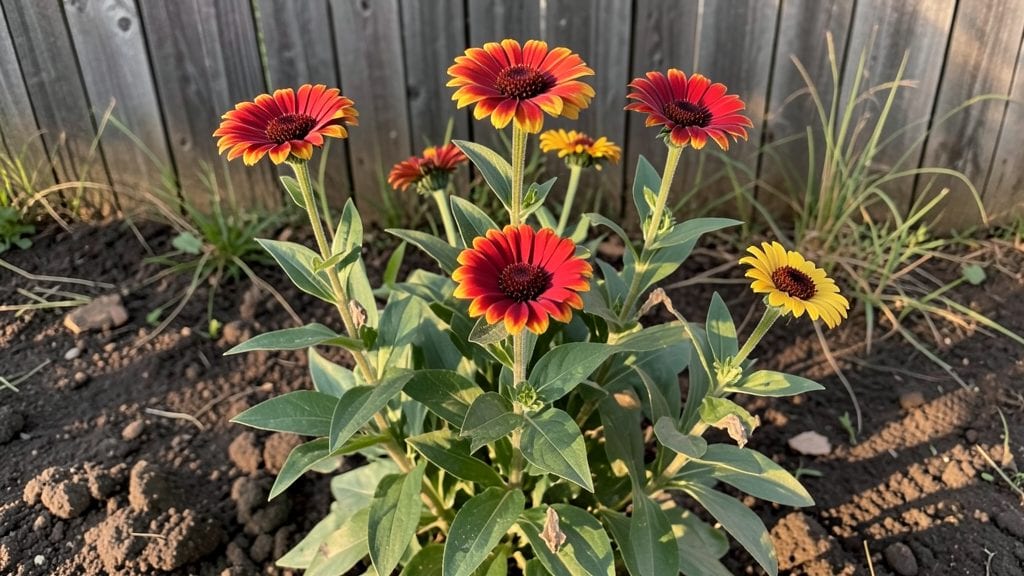
Tall zinnia plants that reach five feet without constant deadheading are easier to grow than you think—especially with the right varieties and a few simple tricks. 🌻 I’ve grown ‘Benary’s Giant’ and ‘State Fair’ zinnias for years, and these towering beauties don’t need the fuss they’re often given.
The secret lies in soil prep, spacing, and knowing exactly when (and how little) to trim spent blooms.
Start with well-draining soil mixed with compost, and plant seeds ¼-inch deep in full sun. Space them 12–18 inches apart—crowding stunts height, while proper airflow lets stems grow straight and strong.
Water at the base in the morning to keep foliage dry, which prevents powdery mildew, the #1 height-killer for zinnias. Most people overwater, and soggy roots lead to weak stems.
Here’s the magic: deadhead only when blooms fade completely, and never cut more than 1–2 inches off the stem. This encourages new side shoots to form, creating bushier plants that keep producing flowers for weeks.
By mid-summer, you’ll have stems tall enough to cut for bouquets or let them sway in the breeze—no fuss, just stunning height.
Works in zones 3–11, though in hot climates, provide afternoon shade to prevent bolting. Once you see those six-foot stalks with blooms from top to bottom, you’ll wonder why you ever deadheaded more. Let’s get those seeds in the ground!
📚 In This Guide
- What you need
- Instructions
- Tips and common mistakes
- Wrapping up and next steps
What you need
- ● Tall Zinnia Seeds: Choose varieties like Benary’s Giant or State Fair (6-8 feet tall). Plant 3-5 seeds per hole, spaced 12-18 inches apart.
- ● Well-Draining Soil: Mix 1 part garden soil with 1 part compost or potting mix for optimal growth.
- ● Fertilizer: Use a balanced, slow-release fertilizer (10-10-10) or organic options like fish emulsion. Apply at planting and again after 6 weeks.
- ● Support Stakes: 6-8 foot bamboo stakes or tomato cages (1 per plant) to prevent flopping.
- ● Gardening Gloves (to protect your hands from thorns).
- ● Trowel or Transplanter (for digging holes, 1-2 inches deep).
- ● Watering Can or Hose with Nozzle (for deep watering 1 inch per week).
- ● Pruners or Sharp Scissors (for deadheading—sterilize with rubbing alcohol!).
- ○ Mulch (Optional): 2-3 inches of straw or shredded leaves to retain moisture and deter weeds.
- ● Sunlight Spot: Full sun (6+ hours daily)—zinnias thrive in heat!
- ● 🌡️ Start seeds indoors 6-8 weeks before last frost (or direct-sow after soil warms to 50°F+).
- ● ✨ Pinch back young plants at 6 inches tall to encourage bushier growth.
- ● 🎯 Deadhead spent blooms weekly—but leave 1-2 lower flowers to self-seed for next year!
Step-by-step guide to growing tall zinnia plants
Here’s how to coax those towering, showstopping zinnias from seed to sky—without endless deadheading.
🌱 Step 1: Choose the Right Variety and Plant at the Perfect Time
For tall zinnias (3-5 feet), pick varieties like 'Benary’s Giant,' 'State Fair,' or 'Profusion.' These thrive in warm soil and full sun. Start seeds indoors 6-8 weeks before your last frost or sow directly in the garden after soil reaches 60°F—no need to rush.
I like to use biodegradable peat pots for direct sowing, so I can transplant without disturbing roots. Plant seeds ¼ inch deep, two per pot, and space them 12 inches apart when thinning. Thin to the strongest seedling per pot—crowding stunts height.
☀️ Step 2: Provide Full Sun and Consistent Moisture
Zinnias need 6+ hours of direct sun daily to grow tall and sturdy. If your garden gets afternoon shade, choose a sunnier spot—they’ll stretch but won’t reach their full height. I’ve seen leggy zinnias in shady spots, but they never bloom as high or as prolifically.
Water at the base 1-2 inches deep per week, keeping soil evenly moist but not soggy. Let the top inch dry out between waterings—overwatering causes weak stems and fungal issues. Mulch with straw or shredded leaves to retain moisture and suppress weeds, which compete for nutrients.
💧 Step 3: Fertilize Lightly for Strong Stems
Zinnias don’t need heavy feeding—they’ll grow tall with just a balanced 10-10-10 fertilizer applied at planting and again when they’re 6 inches tall. Too much nitrogen makes them bushy but short. I skip fertilizer after that unless the leaves look pale, which means they’re hungry.
Here’s the trick: Side-dress with compost halfway through the season to give them a slow-release boost. Work it into the soil around the base, but don’t disturb the roots. You’ll see stems thicken and bloom stalks strengthen within a week.
✂️ Step 4: Minimal Deadheading for Continuous Height
Instead of snipping every faded bloom (which takes forever), I use the "selective deadheading" method. Pinch off only the spent flowers at the base of the main stem once a week. This encourages new blooms to form higher up, keeping the plant growing taller.
If you want even more height, remove just the top 2-3 inches of the stem when deadheading. This redirects energy to the lower buds, producing a cascade of blooms along the stem. Avoid cutting into leaf nodes—you’ll stunt growth. Watch for new buds forming within 5-7 days.
🪴 Step 5: Support and Protect for Maximum Height
Tall zinnias need support to avoid flopping. Install 6-foot stakes or cages at planting and gently tie the main stems to them as they grow. Use soft plant ties or old fabric strips—wire can cut into stems. I also weave in bamboo stakes for extra stability in windy spots.
Watch for Japanese beetles, which devour petals. Handpick them in the morning when they’re sluggish or spray with neem oil if they’re relentless. A single beetle won’t stop your zinnias, but a swarm will. Strong, healthy plants bounce back faster, so keep them well-watered and deadheaded.
Tips & tricks for perfect tall zinnia plants
These simple strategies will help you grow zinnias that reach their full 3-5 foot potential without the usual fuss.
Variety Matters: When selecting your tall zinnia varieties like 'Benary’s Giant' or 'State Fair,' pay attention to their growth habits. The key to height is choosing varieties bred for vertical growth—these will naturally reach 3-5 feet with proper care. I've found that 'Profusion' series often grows even taller when given consistent moisture and support.
Soil Temperature Secret: That 60°F soil temperature isn't just a recommendation—it's crucial for germination and early root development. Use a soil thermometer to verify your soil has reached this temperature before direct sowing. Cold soil slows growth, leading to leggy plants that never reach their full height potential. If your soil runs cool, consider using black plastic mulch to warm it up faster.
Watering Wisdom: The 1-2 inches of water per week guideline works best when applied directly at the base of the plant. I've learned the hard way that overhead watering can lead to fungal issues on the leaves. Water in the morning so foliage has time to dry completely—this prevents mildew that weakens stems and reduces height. A drip irrigation system makes this easy to maintain consistently.
Support System: Don't wait until your zinnias are already leaning to install support. Put those 6-foot stakes in place at planting time—even if they look silly sticking out of the ground with tiny seedlings. The roots will grow around them as the plant matures, providing natural stability. For extra wind resistance, I weave in bamboo stakes at a 45-degree angle to create a triangle support system.
Pro Tips for Tall Zinnia Plants
- These simple strategies will help you grow zinnias that reach their full 3-5 foot potential without the usual fuss.
- Variety Matters: When selecting your tall zinnia varieties like 'Benary’s Giant' or 'State Fair,' pay attention to their growth habits.
- Soil Temperature Secret: That 60°F soil temperature isn't just a recommendation—it's crucial for germination and early root development.
Frequently asked questions
Got questions about growing tall zinnia plants? You’re not alone! Here are some of the most common queries—and easy answers—to help you cultivate show-stopping blooms with confidence.
How tall can zinnia plants grow with minimal deadheading?
Tall zinnia varieties like Benary’s Giant or State Fair can reach 4–6 feet with proper care! Deadheading just the faded blooms (not every flower) encourages vertical growth. Focus on removing spent blooms from the top 1/3 of the plant to redirect energy upward. Pro tip: Pinch back leggy stems early to promote bushier, stronger growth.
When should I start deadheading tall zinnias for maximum height?
Begin deadheading once flowers start opening fully—usually 4–6 weeks after planting (or when plants hit 12–18 inches). For continuous height, deadhead every 3–5 days during peak bloom (summer). Avoid over-pruning; leave at least 2–3 sets of leaves below the cut to support photosynthesis. Timing tip: Early morning deadheading reduces stress on plants.
What’s the best alternative if my tall zinnias flop over?
If your zinnias lean or flop, try these fixes:
- Staking: Use tall bamboo stakes (5–6 ft) or a tomato cage for support. Tie stems loosely with soft garden twine.
- Pruning: Trim back overly long stems by 1/3 to encourage bushier growth.
- Variety swap: Opt for Profusion Series zinnias—they’re shorter (2–3 ft) but ultra-bushy and sturdy.
Why are my tall zinnias wilting or dropping buds despite deadheading?
Wilting or bud drop often signals overwatering, pests, or disease. Check for:
- Root rot: Ensure pots/drainage holes have space; zinnias hate soggy soil.
- Japanese beetles: These pests skeletonize leaves—handpick them or use neem oil.
- Powdery mildew: Spray with a baking soda mix (1 tsp per quart of water) if leaves look dusty.
Can I grow tall zinnias in containers, and what’s the ideal pot size?
Tall zinnias thrive in containers 12–18 inches deep (or larger for multiple plants). Use a well-draining potting mix with added perlite, and plant 2–3 zinnias per pot to support each other. Place pots in full sun (6+ hours/day) and water at the base—avoid overhead watering to prevent mildew. Container pro tip: Elevate pots on feet to improve airflow.
Wrapping up and next steps
Growing tall zinnia plants is all about patience, the right care, and a few clever tricks—like minimal deadheading and proper support! With the right soil, sunlight, and a little TLC, you’ll be rewarded with towering blooms that steal the show in any garden. 🌸
Now that you’re armed with tips and answers to common questions, it’s time to roll up your sleeves and give it a try! Start by planting your seeds or seedlings this season, and before you know it, your garden will be bursting with stunning, sky-high zinnias. Happy gardening! 🌱