
Pests
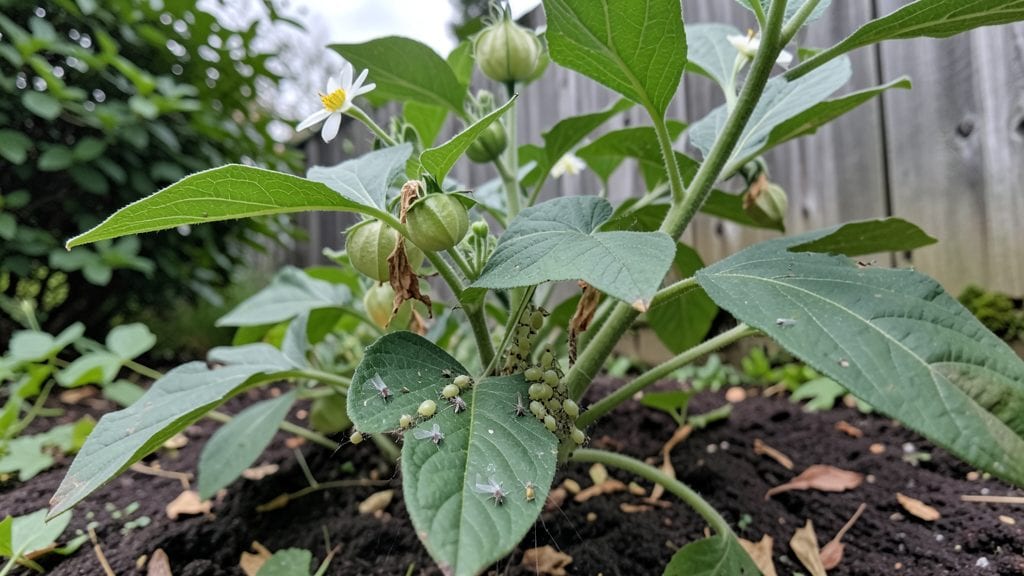
The five pests that can turn your tomatillos into a lost cause—before you even get to harvest—are the real deal. 🌱 I’ve watched hornworms strip plants bare in a single night and aphids turn leaves into sticky, curling messes, but there’s a way to fight back without harsh chemicals.
The key is catching problems early, when you can still save your crop.
Most tomatillo pests—like whiteflies, spider mites, and even fungal issues like powdery mildew—love the same things we do: warm weather, crowded plants, and a little neglect. The good news?
A few simple habits—like pruning for airflow, using neem oil at the first sign of trouble, or introducing ladybugs—can make all the difference. I’ve saved entire plants with just a spray bottle and some patience.
By the time you’re done here, you’ll spot the early warning signs—chewed leaves, webbing, or that telltale white residue—and know exactly how to respond. No more guessing whether to pull a worm by hand or reach for the heavy-duty stuff.
The goal? Healthy, productive plants that keep giving you those tangy, lime-green tomatillos all season.
Works for backyard gardens, container growers, and even small urban plots—just swap out the tools based on your space. Let’s get those pests under control before they ruin your harvest.
Root Causes of Tomatillo Pest Attacks
Tomatillo plants, with their delicate green husks and vibrant salsa potential, can quickly become a pest buffet if conditions align. Understanding why these critters target your plants is the first step in reclaiming your garden. Here’s a breakdown of the key factors that turn your tomatillos into a pest magnet:
Tomatillos thrive in moderate spacing (18–24 inches apart), but when plants grow too close, they create: - Humid microclimates – Dense foliage traps moisture, creating ideal conditions for fungal pests (like aphids or mites) and soft-bodied insects that thrive in dampness. - Stress signals – Overcrowding weakens plants, making them more vulnerable to attacks.
Stressed tomatillos produce less volatile oils (their natural pest-repellent compounds), leaving them defenseless. - Easy pest highways – Tight spacing allows pests to move plant-to-plant unchecked, turning a small infestation into a full-blown outbreak.
Actionable fix: Thin plants early to improve airflow. If you’re growing in containers, ensure each plant has at least 1 gallon of space per mature bush.
Pests like tomato hornworms, whiteflies, and spider mites zero in on plants that are starving for key nutrients. Common deficiencies that weaken tomatillos include: - Nitrogen (N) deficiency – Leads to yellowing leaves (chlorosis), reducing plant vigor.
Weak leaves are easier for chewing pests (like beetles) to devour. - Potassium (K) deficiency – Causes brown leaf edges and weakens cell walls, making plants more susceptible to bacterial and fungal pests. - Magnesium (Mg) deficiency – Interferes with chlorophyll production, stressing plants and attracting sap-sucking insects (e.g., aphids).
Actionable fix:
- Soil test first! Use a DIY test kit or send a sample to a local extension office.
- Boost with organic amendments:
- Nitrogen: Compost, fish emulsion, or alfalfa meal.
- Potassium: Wood ash (sparingly) or greensand.
- Magnesium: Epsom salt (1 tbsp per gallon of water, foliar spray).
Tomatillos prefer warm days (70–85°F) and cool nights (55–65°F), but deviations trigger pest problems:
- Too hot (>90°F) – Heat stress reduces plant resilience, making them targets for whiteflies and thrips, which thrive in scorching conditions.
- Too cold (<50°F) – Chilly nights weaken plants, attracting flea beetles and cutworms, which seek out stressed, tender foliage.
- Rapid temperature swings – Causes osmotic stress, forcing plants to divert energy from pest defense to survival—leaving them vulnerable to aphids and spider mites.
Actionable fix:
- Mulch heavily (2–3 inches of straw or wood chips) to regulate soil temp.
- Use shade cloth (30–50%) during heatwaves.
- Avoid late planting—stick to spring or early summer for optimal growing conditions.
Watering mistakes are a top reason tomatillos become pest magnets.
Here’s how: - Overwatering – - Root rot (from Fusarium or Phytophthora) weakens plants, attracting fungus gnats and slugs. - Soggy soil creates slime trails that draw cutworms and earwigs. - Underwatering – - Drought-stressed plants produce sticky honeydew, a magnet for ants and whiteflies. - Wilting leaves attract aphids, which feed on sap to compensate for the plant’s lack of moisture.
Actionable fix:
- Water deeply but infrequently (1–1.5 inches per week, at soil level).
- Use drip irrigation to avoid wetting foliage (prevents fungal pests).
- Check soil moisture with your finger—top 1–2 inches should be dry before watering.
Tomatillos left untended in monoculture (or without companion plants) lose their natural pest control allies.
Key missing players: - Ladybugs – Devour aphids and mites but avoid gardens with broadleaf weeds (their competitors). - Parasitic wasps – Hunt caterpillars and hornworms but need diverse plantings to thrive. - Ground beetles – Eat cutworms and slugs but avoid over-tilled or chemically treated soil.
Actionable fix:
- Plant companion crops:
- Basil, marigolds, or nasturtiums repel pests.
- Dill or fennel attract predatory wasps.
- Avoid pesticides—they kill beneficial insects too!
- Add mulch to encourage ground-dwelling predators.
Pests hitchhike on debris, old plant matter, and even your tools.
Common culprits: - Volunteer tomatillo plants – Leftovers from last season harbor overwintering pests (like tomato fruitworms). - Weeds – Nightshade weeds (e.g., black nightshade) attract the same pests as tomatillos. - Infested soil – Flea beetle larvae or root-knot nematodes persist in untreated beds.
Actionable fix:
- Clear old plant debris before spring planting.
- Rotate crops—don’t plant tomatillos (or other nightshades) in the same spot for 3+ years.
- Solarize soil (cover with clear plastic for 4–6 weeks in summer) to kill nematodes and larvae.
Quick Fixes for Tomatillo Pests
When pests invade your tomatillo plants, acting fast is key to saving your harvest. Below are practical, step-by-step solutions tailored to the most common culprits—plus prevention tips to keep your garden thriving. No fancy tools needed; just smart strategies!
👨🍳 Spot & Squash Them
- Morning patrol: Check leaves (especially undersides) for green caterpillars with white stripes—they grow fast!
- Handpick & dunk: Drop them in soapy water (no need for chemicals). Repeat daily for 3–5 days to break their life cycle.
🌡️ Prevent Future Outbreaks
- Plant companions: Interplant with basil, marigolds, or dill—hornworms hate these scents.
- Neem oil spray: Apply every 7–10 days as a deterrent (mix 1 tbsp neem oil + 1 tsp mild soap + 1 quart water).
🔪 Blast Them Away
- Water blast: Use a hose nozzle to dislodge aphids from stems/leaves (do this in the early morning).
- Insecticidal soap: Spray a homemade mix (2 tbsp soap + 1 quart water) on infested areas. Reapply after rain.
💡 Long-Term Defense
- Ladybugs & lacewings: Release beneficial insects (buy online or attract with dill/parsley).
- Reflective mulch: Cover soil with silver plastic—aphids avoid shiny surfaces!
🎯 Trap & Trap Again
- Yellow sticky traps: Hang near plants to catch adults. Replace weekly.
- Kaolin clay: Dust leaves with food-grade clay (confuses their landing system).
✨ Organic Knockouts
- Pyrethrin spray: Use neem oil + pyrethrin (follow label rates) for heavy infestations.
- Prune & burn: Remove heavily infested leaves to starve their population.
👨🍳 Inspect & Intervene
- Cut open suspect fruits: Look for tiny brown larvae inside. Squeeze them into soapy water.
- Row covers: Use floating fabric over young plants to block adult moths (remove at pollination time).
🌡️ Smart Plant Care
- Harvest early: Pick tomatillos before they fully ripen to deter egg-laying.
- Crop rotation: Avoid planting tomatillos in the same spot yearly—worms love familiar turf!
- Healthy plants = pest resistance: Ensure 6+ hours of sun, well-draining soil, and regular watering (not soggy roots).
- Clean up debris: Remove fallen leaves/fruit—pests hide and multiply here!
- Rotate methods: Pests adapt, so switch tactics (e.g., soap one week, neem the next).
🎯 Remember: Most pests are easy to beat with consistency. Start with one method, monitor progress, and adjust as needed. Your tomatillos will thank you with bold, juicy harvests! 🌱🍅
Frequently asked questions
What are the most destructive pests for tomatillo plants?
Hornworms, aphids, whiteflies, and spider mites are the top culprits. Hornworms chew leaves overnight, while aphids leave sticky residue that attracts ants. Whiteflies cluster on undersides, and spider mites thrive in dry conditions, creating fine webbing on leaves.
How do I tell if my tomatillos have a fungal issue like powdery mildew?
Look for white, powdery spots on leaves or stems—this is powdery mildew. Poor airflow or overhead watering often causes it. Prune for better circulation, remove infected leaves, and spray with a 1:1 water-baking soda mix (1 tsp baking soda + 1 quart water + a drop of soap).
Can I use neem oil on tomatillos, and how often?
Yes! Neem oil is safe for tomatillos when used correctly. Mix 1 tablespoon neem oil + 1 teaspoon mild soap + 1 quart water, then spray leaves (avoid flowers). Apply every 7–10 days during active pest seasons. Always test a small leaf first to check for sensitivity.
Why do my tomatillos attract so many pests even with good care?
Overcrowded plants or nutrient deficiencies weaken defenses. Ensure 18–24 inches between plants for airflow, and test soil for nitrogen, potassium, and magnesium. Weak plants produce less natural repellent oils, making them easier targets for pests like aphids and hornworms.
Are there any natural predators that help control tomatillo pests?
Ladybugs eat aphids, parasitic wasps attack caterpillars, and ground beetles hunt cutworms. Plant dill, marigolds, or basil nearby to attract these helpers. Avoid pesticides—they kill beneficial insects too!