
Pests
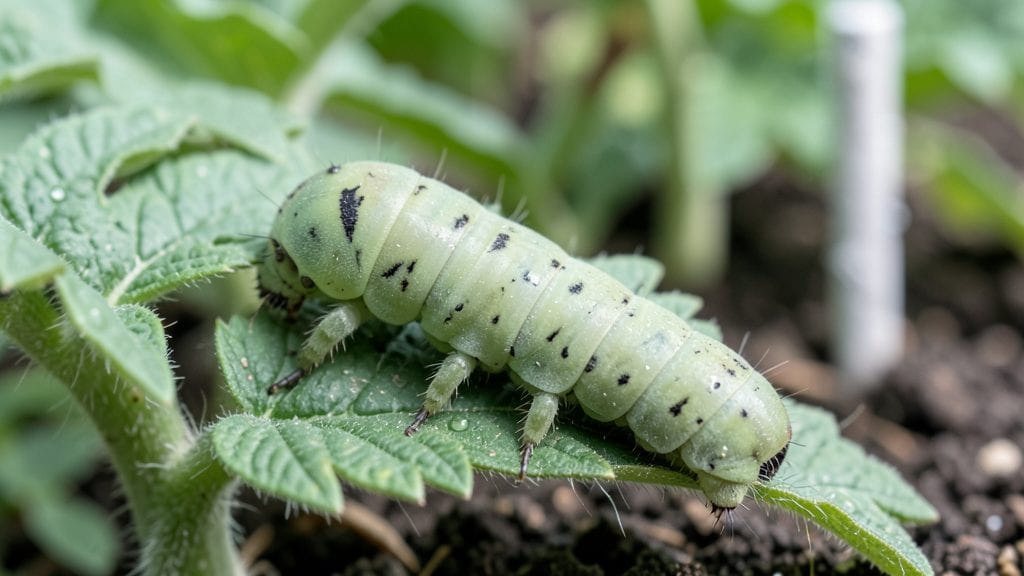
When tomato plant grubs turn your lush vines into a skeleton act, panic sets in—but there’s a foolproof, organic way to save your harvest. 🌱 I’ve battled cutworms, wireworms, and root grubs in my own garden, and these three steps have kept my tomatoes thriving every season.
The key isn’t harsh chemicals but smart, targeted action that works fast.
Grubs strike in two ways: above ground, where you’ll spot chewed leaves or missing stems, or below, where wilting or stunted growth clues you in. Most gardeners wait too long to act, but early intervention—like handpicking pests at night or using neem oil sprays—stops the damage before it spreads.
The best part? These methods protect your soil and future plants too.
By the end of the week, your plants will bounce back with stronger stems and fuller leaves. You’ll skip the guesswork of chemical sprays and instead use companion plants like marigolds or basil to deter future pests naturally.
No more sacrificing your harvest to grubs—just healthier tomatoes and a garden that fights back.
Works for backyard gardens, containers, or even balcony pots. Here’s how to turn the tide without losing your cool—or your crop.
Hidden Invaders Wreaking Havoc
When your tomato plants start looking ragged—chewed leaves, wilting vines, or mysterious holes in the soil—grubs are often the culprits. These underground pests don’t just appear out of nowhere; they thrive due to a mix of environmental, gardening, and ecological factors.
Understanding why they target your tomatoes is the first step to kicking them out for good.
Grubs, particularly those from beetles like the Japanese beetle or June bug, are drawn to weak, nutrient-poor soil. When soil lacks organic matter, it becomes easier for these pests to burrow and feed. Overworked or compacted soil also creates the perfect cozy environment for their larvae to develop.
Why it happens:
- Lack of microbial activity: Healthy soil teems with beneficial bacteria and fungi that naturally suppress grub populations. Poor soil disrupts this balance.
- Excessive tilling: Frequent digging aerates the soil but also exposes eggs to the surface, where they hatch into grubs.
- Low organic content: Grubs prefer loose, fertile soil rich in decomposing plant matter—exactly what depleted soil lacks.
💡 Pro Tip: Test your soil’s organic matter (aim for 5% or higher) and amend it with compost or well-rotted manure. Healthy soil = fewer grub buffets!
Grubs love moisture—too much moisture. While tomatoes need consistent water, soggy soil creates the ideal breeding ground for grub larvae. Excess water also weakens plant roots, making them easier targets for feeding.
Why it happens:
- Stagnant water: Puddles or poor drainage trap grubs in place, prolonging their feeding cycle.
- Fungal growth: Waterlogged conditions encourage fungal diseases that stress plants, making them more vulnerable to grub attacks.
- Egg-laying hotspots: Female beetles seek damp soil to deposit eggs, knowing the larvae will thrive there.
🌡️ Actionable Fix: Improve drainage with raised beds or sand amendments. Water deeply but infrequently (1–1.5 inches per week) to avoid creating a grub paradise.
Mulch is a gardener’s best friend—until it becomes a grub magnet. Thick layers of organic mulch (like straw or grass clippings) can trap moisture, creating a cozy hideout for grubs. Even inorganic mulch (like plastic) can trap heat and humidity, speeding up their life cycle.
Why it happens:
- Moisture retention: Grubs need damp soil to survive; thick mulch acts like a sponge, keeping the soil perpetually moist.
- Decaying matter: Organic mulch breaks down into a grub buffet of decomposing plant material.
- Warmth traps: Dark mulch absorbs heat, accelerating grub development in warmer climates.
✨ Smart Mulching: Use a thin layer (2–3 inches) of mulch and opt for dried leaves or wood chips (less prone to compacting). Avoid piling mulch directly against plant stems.
Grubs don’t just appear—they’re the offspring of adult beetles. If your garden (or a neighbor’s) is overrun with beetles like Japanese beetles or June bugs, their eggs will hatch into grubs in your soil.
These pests are attracted to tomato plants because they’re nutrient-rich and stressed by other pests or diseases.
Why it happens:
- Beetle migration: Adult beetles fly in from nearby fields, parks, or lawns, especially during warm, sunny days.
- Tomato scent: Volatile compounds in tomato leaves and flowers act as a beacon, luring beetles to lay eggs.
- Lack of predators: Birds, toads, and beneficial nematodes keep beetle populations in check—if these predators are missing, grub numbers explode.
🎯 Prevention Strategy:
- Set up beetle traps (but place them far from tomato plants to avoid attracting more).
- Encourage natural predators like parasitic wasps or ground beetles with diverse plantings.
- Handpick beetles during peak activity (early morning or evening).
Grubs don’t choose your garden randomly—they’re responding to conditions you can control. By addressing soil health, watering habits, mulch management, and beetle populations, you’ll make your tomato patch a less appealing (and more resilient) target. Stay tuned for our next section on organic removal methods!
Quick Fixes for Underground Invaders
Got hungry grubs munching on your tomato roots? Don’t panic—these organic, no-fuss solutions will kick them out for good. Below, we’ve matched the most common causes of grub damage to targeted fixes, plus prevention tips to keep your plants thriving. No harsh chemicals here—just smart, garden-friendly tactics.
Problem: Too much moisture attracts grubs (especially Japanese beetle larvae), turning your soil into their all-you-can-eat salad bar.
Fix It:
- 👨🍳 Reduce Watering: Let the top 1–2 inches of soil dry out between waterings. Use a moisture meter or stick your finger in—if it’s damp past your first knuckle, wait.
- 🌡️ Improve Drainage: Mix in compost or coarse sand to aerate heavy clay soil. Grubs hate dry, crumbly conditions.
- ⏰ Water Deeply, Less Often: One long soak (1–2 inches) per week > daily light sprinkles. This discourages grubs from lingering.
Prevention Pro Tip: 💡 Mulch with straw or wood chips (not fresh grass clippings)—it dries out faster and repels grubs naturally.
Problem: Stressed or young tomato plants are easy targets. Grubs seek out tender roots, especially in poorly fertilized or overcrowded gardens.
Fix It:
- 💪 Boost Plant Health: Feed with compost tea or fish emulsion (high in nitrogen) to strengthen roots. Avoid synthetic fertilizers—they can attract more pests.
- 🌱 Thin Out Plants: Give tomatoes 18–24 inches of space between plants. Crowding = more grub-friendly shade and moisture.
- 🔪 Hand-Pick Larvae (Yes, Really!):
- 🕵️♂️ Inspect roots after uprooting a plant—look for white, C-shaped grubs (½–¾ inch long).
- 🧼 Drop them in soapy water (instant grub euthanasia).
- 🌿 Replace the plant in fresh soil mixed with diatomaceous earth (food-grade only).
Prevention Pro Tip: 🌱 Plant nematode-resistant varieties like ‘Mountain Merit’ or ‘Better Boy’—their roots naturally deter grubs.
Problem: Grubs love to hide in grass clippings, leaf litter, or old plant debris near tomato beds. If your garden borders a lawn, they’ll hitch a ride.
Fix It:
- 🧹 Clear the Area: Rake up grass clippings, weeds, and fallen leaves within 3 feet of tomato plants. Compost them far from the garden (grubs survive in compost piles!).
- 🪴 Use Barrier Mulch: Line tomato beds with cardboard or landscape fabric, then cover with straw or pine needles. This blocks grub migration from lawns.
- 🌿 Plant Grub-Repelling Companions:
- Marigolds (release chemicals that deter beetles).
- Garlic or chives (grubs avoid the smell).
- Nasturtiums (trap beetles away from tomatoes).
Prevention Pro Tip: ✨ Mow your lawn high (3–4 inches) in summer—taller grass shades out grubs and dries out their favorite moist soil layers.
Problem: If grubs are eating roots faster than you can fix them, you’ll need a stronger (but still organic) approach.
Fix It:
- 🐛 Beneficial Nematodes (The Ultimate Grub Killer):
- **🛒 Buy Heterorhabditis bacteriophora (sold as "grub control nematodes").
- 💦 Apply at dusk when soil is warm (60–85°F) and moist. Water lightly after.
- 🔄 Reapply every 4–6 weeks for heavy infestations.
- 🌿 Milky Spore (Bacillus popilliae): A long-term solution that infects grubs naturally. Takes 2–3 years to establish but eliminates beetle larvae for decades.
- 🍄 Coffee Grounds: Sprinkle used, cooled coffee grounds around plants. The caffeine disrupts grub digestion (and adds nitrogen to soil!).
Prevention Pro Tip: 🎯 Rotate crops—never plant tomatoes (or other nightshades) in the same spot two years in a row. Grubs remember their favorite buffets!
Final Reminder: Most grub problems are preventable with better soil health, smart watering, and companion planting. Start with the fixes above, and your tomatoes will be back to juicy, pest-free perfection** in no time! 🍅✨
Frequently asked questions
What do tomato plant grubs look like?
Tomato plant grubs are typically white or cream-colored, C-shaped larvae about ½–¾ inch long. You’ll often find them burrowing in soil or feeding on roots. Look for their telltale trails in moist, organic-rich soil or check under mulch where they hide during the day.
How do I know if my tomato plants have grubs?
Watch for wilting, stunted growth, or yellowing leaves despite proper watering. Dig around roots to spot chewed roots or white grubs feeding on them. Above-ground signs include ragged leaves (from cutworms) or collapsed stems in young plants.
Are grubs harmful to tomato plants?
Grubs can severely damage roots, starving plants of nutrients and water. Heavy infestations may kill plants entirely, especially young seedlings. Even light damage weakens vines, reducing fruit yield and quality. Early action is critical to saving your harvest.
Can I use coffee grounds to get rid of grubs?
Yes! Sprinkle used, cooled coffee grounds around tomato plants—the caffeine disrupts grub digestion while adding nitrogen to soil. Reapply every 2–3 weeks during grub season (spring to fall). For best results, mix with compost to boost soil health.
How long do grubs live in my garden?
Grubs typically survive 1–2 years in soil, depending on species. Japanese beetle grubs (common in tomato gardens) take 10–12 months to mature. The key is breaking their life cycle early—use beneficial nematodes or milky spore to target larvae before they become adults.