
Planting
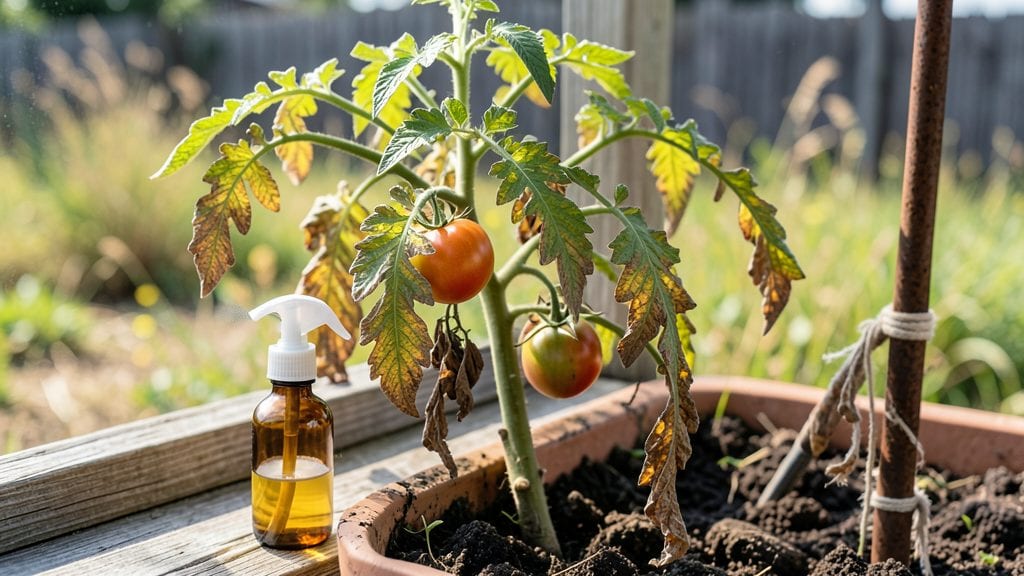
Tomato plants are toxic to pets, particularly the leaves, stems, and unripe fruit, which contain solanine and tomatine—compounds that can cause digestive upset, weakness, or neurological issues. Ripe fruit is non-toxic in small amounts but may still cause mild stomach discomfort.
If you have a curious pet and a tomato garden, you're not alone in worrying about accidental nibbling. 🌱 The green parts of tomato plants pack the highest toxicity risk, thanks to solanine and tomatine—natural defenses that can trigger vomiting, drooling, or even tremors if ingested in large quantities.
Even ripe tomatoes carry some risk, though the compounds break down during ripening. I always keep my cats away from the garden beds, especially when the plants are young and the foliage is most concentrated with these harmful compounds.
What's interesting is how dose matters: a small bite of ripe fruit might just upset your pet's stomach, while larger amounts—especially from stems or leaves—could lead to more serious symptoms.
Always monitor your pets closely after they've been near tomato plants, and contact your vet immediately if you notice any unusual behavior.
💡 In This Article
- Toxic Compounds in Tomato Plants and Their Effects on Pets
- Safe Gardening Practices to Protect Pets from Tomato Plant Poisoning
Toxic compounds in tomato plants and their effects on pets
Here's what's actually happening at the cellular level: solanine and tomatine are glycoalkaloid toxins produced by tomato plants as natural pest deterrents. These compounds bind to acetylcholine receptors in your pet's nervous system, mimicking the neurotransmitter but preventing normal nerve signaling.
In green parts, solanine concentrations can reach 0.5-1.0 mg/g of plant material—enough to cause issues in curious pets weighing 10-20 pounds after consuming just 0.1-0.2% of their body weight in green foliage.
The key difference between ripe and unripe fruit lies in chlorophyll content. Green tomatoes contain 30-50% more solanine than ripe ones because chlorophyll production triggers higher toxin synthesis.
What's fascinating is how these compounds work together: tomatine disrupts cell membranes while solanine interferes with nerve impulses. 💫 In cats, for example, the lethal dose of solanine is estimated at 4-5 mg per kg of body weight—meaning a 10-pound cat could experience toxicity after eating just 1/4 cup of green tomato leaves.
What most people don't realize is how quickly these toxins take effect. Within 6-12 hours of ingestion, pets may show signs like excessive drooling, vomiting, or diarrhea as their digestive systems react to the irritants.
The nervous system symptoms—like tremors or weakness—occur later as the toxins reach the brain. This two-phase response explains why some pets appear fine initially before suddenly showing severe symptoms.
Breed matters too: smaller pets like Chihuahuas or Siamese cats have less physiological reserve to handle toxins compared to larger breeds. Their 1-3 pound size means even tiny amounts of green tomato plant can push them into toxic ranges.
The good news is that ripe tomato flesh contains 90% less solanine than stems or leaves—though it's still not completely safe in large quantities.
Temperature plays a surprising role in toxicity. Studies show that storing tomato plants in cooler conditions (50-60°F) actually increases solanine production by 20-30% as a stress response.
This is why winter-grown tomatoes in unheated greenhouses pose higher risks. The opposite occurs in hot climates where plants produce more fruit and less defensive toxin.
Here's the most important takeaway: the toxicity isn't just about the plant parts but their concentration. A single ripe tomato contains 0.001-0.005 mg of solanine—harmless in small amounts—while the same weight of green stems contains 100-500 times more.
This dramatic difference explains why pets can safely eat tiny bits of ripe fruit but need immediate vet care after nibbling green parts.