
Blooming
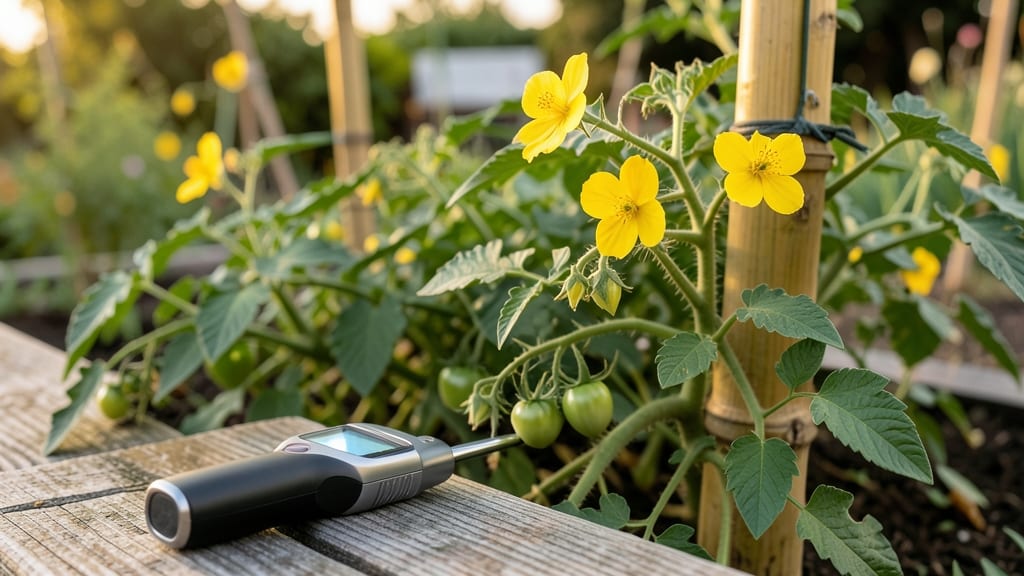
When your tomato plants bloom too early, you’re not just losing a few tomatoes—you’re missing out on the full harvest your plants could produce. 🌱 I’ve watched my own plants send out flowers when they’re barely waist-high, only to have those first tomatoes ripen while the rest of the plant is still struggling to set more fruit.
The good news? You can still salvage the season with a few smart moves.
First, focus on pruning to redirect energy where it matters. Cut back those early blooms if the plant looks stressed—this forces the plant to focus on growing stronger stems and leaves first. Pair that with consistent watering (about 1-1.5 inches per week) and morning sunlight to keep temperatures stable.
Too much heat or inconsistent water can trick plants into blooming early, so aim for steady conditions.
The payoff comes later: by pruning early blooms and giving the plant time to bulk up, you’ll see larger, more productive vines by midsummer. The remaining flowers will set fruit on stronger stems, leading to heavier harvests.
Plus, you’ll avoid the heartbreak of small, underdeveloped tomatoes that ripen too soon to enjoy.
For next year, time your planting to avoid heat waves—start seeds indoors 6-8 weeks before your last frost and transplant when soil temps hit 60°F. Choose heat-tolerant varieties like ‘Celebrity’ or ‘Heatmaster’ if your summers run hot.
With these adjustments, you’ll turn early blooms into a thing of the past—and a bigger harvest into a guarantee.
📚 In This Guide
- What you need
- Instructions
- Tips and common mistakes
- Wrapping up and next steps
What you need
- ● Pruning shears or sharp bypass pruners – Choose sterilized, sharp tools (1 pair) to avoid damaging plants or spreading disease. Look for bypass-style shears (not anvil) for clean cuts.
- ● Garden gloves – A pair of durable, cut-resistant gloves (e.g., nitrile-coated) to protect your hands from thorns and sap.
- ● Disinfectant (70% isopropyl alcohol or bleach solution) – 1 small spray bottle to sterilize tools between cuts and prevent fungal spread.
- ○ Garden twine or plant ties – 1 roll (50+ feet) to support stems after pruning (optional but helpful for indeterminate varieties).
- ● Sharp knife or razor blade – A backup tool for precise cuts if shears get clogged (e.g., with sap).
- ● Compost bin or mulch – A small container or pile to dispose of pruned foliage (avoid composting diseased leaves).
- ● Plant growth regulator (e.g., hydrogen peroxide spray) – 1 small bottle to slow early blooming if needed (dilute to 3% strength).
- ● Plant food (balanced fertilizer, 10-10-10) – 1 small bag to replenish nutrients after pruning stress.
- ● Shade cloth (30-50% coverage) – 1-2 small sections to temporarily reduce sunlight if blooms appear too soon.
- ● Notebook & pen – To track pruning dates and plant responses for future reference!
Instructions for pruning early-blooming tomato plants
Here’s how to redirect your tomato plants’ energy for bigger, healthier harvests later in the season.
✂️ Step 1: Identify and Remove Early Flowers
Start by inspecting your tomato plants for any blooms that appear before the first true leaves have fully developed. These early flowers are a sign the plant is putting energy into fruit too soon, which weakens its ability to support a strong framework. Use clean, sharp pruning shears to snip off any flower clusters—including the small stems they’re attached to—right at the base.
Focus on the lower third of the plant first, where flowers often appear earliest. This ensures the plant directs its energy upward, building a sturdier stem and more leaves for future growth. Don’t worry about being gentle here; tomatoes respond well to firm handling, and you’re not damaging the plant—you’re shaping its future.
✂️ Step 2: Prune Suckers for Stronger Growth
Suckers are the small shoots that grow in the V-shaped junction between the main stem and a branch. These compete with your plant for nutrients and can lead to a bushy, weak structure. Pinch off suckers when they’re still small—about 1-2 inches long—using your fingers or shears. If you wait until they’re larger, you risk stressing the plant or leaving stubs that invite disease.
Leave only the strongest, healthiest branches attached to the main stem. This encourages the plant to focus its energy on fewer, more robust growth points. You’ll know you’re doing it right when the plant starts filling out with larger, deeper green leaves within a few weeks. Avoid over-pruning—aim to remove about 20-30% of the plant’s foliage total.
☀️ Step 3: Monitor Light and Nutrient Balance
After pruning, your tomato plants will need extra care to recover. Ensure they’re getting 6-8 hours of direct sunlight daily, as this helps them rebuild energy reserves. If your plants are in containers, check that they’re not root-bound—roots should have 1-2 inches of space around them in the pot. If they’re crowded, consider repotting into a slightly larger container to support new growth.
Feed the plants with a balanced fertilizer (like 10-10-10) every 2-3 weeks once they’ve recovered from pruning. Look for new growth at the top of the plant as a sign they’re thriving. Avoid over-fertilizing, though—too much nitrogen can lead to more foliage and fewer fruits, which is the opposite of what you want.
🌿 Step 4: Encourage Later Blooms with Proper Care
Once your plants have 4-6 true leaves and a sturdy stem, they’re ready to focus on producing flowers for the main harvest. At this stage, stop pruning suckers on the lower half of the plant to allow more energy to go toward fruit production. Instead, continue removing suckers only from the upper third, where new growth is happening.
Watch for small, tight clusters of flowers forming at the leaf axils (the point where leaves meet the stem). These are your signal that the plant is shifting its energy toward fruit. Keep the soil evenly moist but not soggy—consistent watering prevents stress and encourages steady blooming. You’ll see the first large, healthy flowers appear in 4-6 weeks, leading to a bountiful harvest later in the season.
Tips & tricks for pruning early-blooming tomato plants
Real talk: Pruning early blooms isn't just about cutting back—it's about setting your plants up for a stronger, more productive future. Here's what nobody tells you about getting it right the first time.
Timing Secret: Don't wait until you see flowers—act as soon as you notice the first tiny buds forming. Those early blooms can appear when plants only have 2-3 true leaves, and once they're established, they'll drain energy that could be building your plant's framework. I learned this the hard way after watching plants struggle with weak stems all season.
Tool Tip: Use clean, sharp pruning shears or your fingers to pinch off suckers—never tear them. Dirty tools can introduce diseases, and rough handling leaves stubs that invite pests. I always wipe my shears with rubbing alcohol between plants to prevent cross-contamination. For suckers, pinch at the base where the V-shape meets the main stem—this prevents regrowth better than cutting.
Visual Cue: In Step 2, you're aiming to remove about 20-30% of the plant's foliage total. Think of it like giving your plant a haircut—you want to shape it without making it look like it lost a fight. Look for suckers that are about 1-2 inches long (about the size of your pinky finger) and remove them before they start competing with your main branches.
Recovery Strategy: After pruning, your plants will need 6-8 hours of direct sunlight daily to recover. If your garden gets less than that, consider temporarily moving potted plants to a sunnier spot. I've seen plants that got only 4 hours of sun after pruning struggle to produce new growth—it's like they hit a wall. Also, avoid fertilizing immediately after pruning; wait until you see new growth at the top of the plant before adding nutrients.
Pro Tips for Tomato Plants Blooming Too Early
- Real talk: Pruning early blooms isn't just about cutting back—it's about setting your plants up for a stronger, more productive future.
- Timing Secret: Don't wait until you see flowers—act as soon as you notice the first tiny buds forming.
- Tool Tip: Use clean, sharp pruning shears or your fingers to pinch off suckers—never tear them.
Frequently asked questions
Got questions about early blooming tomato plants? You’re not alone!
Here are some common concerns—and straightforward answers—to help you manage the situation and still enjoy a bountiful harvest.
Why are my tomato plants blooming so early?
Early blooming is often triggered by long daylight hours and warm temperatures during the plant’s early growth stage. Some varieties, like determinate tomatoes, are genetically prone to early flowering. If your plants are young (under 12 inches tall) or still developing strong roots, they may bloom prematurely due to stress or ideal conditions.
Will early blooms still produce fruit?
Yes, but the fruit may be smaller or fewer if the plant isn’t mature enough to support them. Early blooms can also drain energy from root and stem development, leaving your plant vulnerable to pests or weather shifts. Pruning to remove some early flowers can redirect energy to stronger growth later in the season.
How do I prune early blooms without hurting the plant?
Use clean, sharp pruners to snip off flower clusters (especially on indeterminate varieties) while leaving the first 6–8 leaves intact. Focus on removing blooms from the lower third of the plant to encourage upward growth. Avoid over-pruning—aim to remove only 20–30% of flowers at first to avoid shocking the plant.
Can I delay blooming by adjusting care?
Yes! If your plant is blooming too soon, reduce sunlight temporarily by moving it to partial shade (like under a 30% shade cloth) or lower nighttime temps by using row covers. Also, hold off on fertilizing with high-nitrogen feeds—switch to a balanced 10-10-10 or phosphorus-heavy formula (like 5-10-10) to slow flowering and boost root growth.
What if my early blooms turn into fruit but the plant looks weak?
If the plant is already fruiting but struggling, prioritize support over pruning. Use cages or stakes to prevent breakage, and water deeply but infrequently to encourage deep root growth. If the plant is wilting or yellowing, it may need more potassium or calcium—try a foliar spray of Epsom salt (1 tbsp/gallon) or crushed eggshells for calcium.
Should I remove all early blooms, or just some?
Start conservatively! Remove only the lowest 20–30% of blooms to avoid stressing the plant. If your variety is determinate (like Roma or Bush Early Girl), you can be more aggressive with pruning since they produce fruit in one cycle. For indeterminate varieties (like Cherry or Beefsteak), prune selectively to balance growth and fruiting.
Wrapping up and next steps
Don’t let early blooms stress you out—your tomato plants are just communicating! With the right pruning techniques, you can redirect their energy for bigger, healthier harvests later in the season. 🌱🍅 Remember, patience and consistency are key, so keep monitoring growth and adjusting as needed.
Ready to take action? Start pruning today and watch your plants thrive! For extra support, explore seasonal tomato care guides or connect with fellow gardeners to share tips. Happy growing!