
Companion Plants
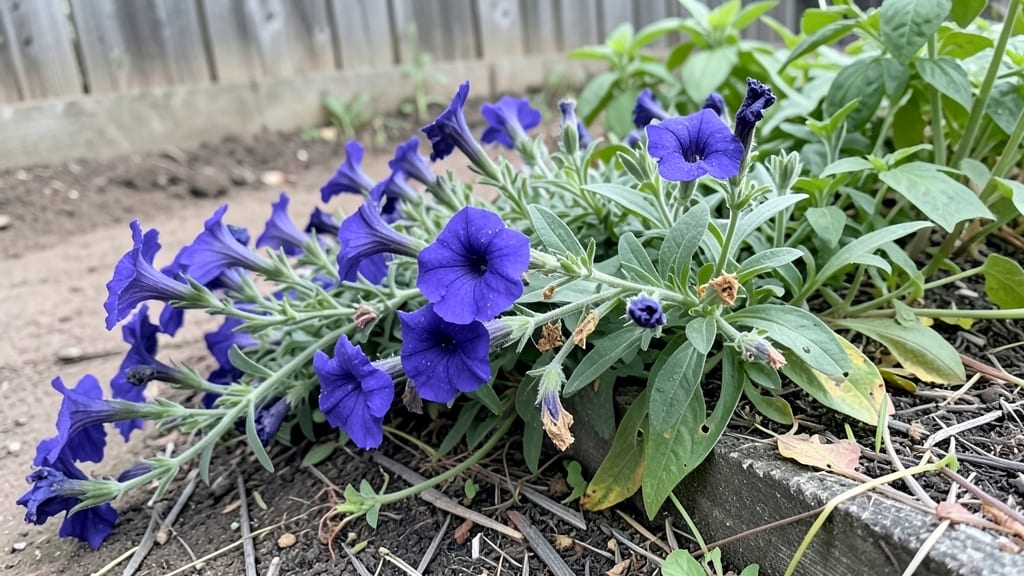
These trailing petunia plants transform any space into a vibrant waterfall of color—and they handle heat and humidity better than most flowers. 🌿 I’ve grown them in containers, hanging baskets, and even along fence edges, and the key to their success isn’t complicated.
It’s all about the right soil mix, consistent moisture, and a little strategic pruning to keep them blooming until frost.
The secret to happy trailing petunias starts with well-draining soil packed with organic matter. A mix of 50% potting soil, 30% perlite or vermiculite, and 20% compost gives roots the airflow they crave while holding enough moisture to prevent wilting.
Plant them in bright, indirect light—they’ll tolerate full sun once established, but afternoon shade in scorching climates keeps blooms from scorching. Water when the top inch of soil feels dry, and always use a tray to catch excess water to prevent root rot.
By mid-summer, your petunias will be spilling over pots in a shockingly lush display, with blooms in every shade from purple to pink to white. The more you pinch back leggy stems, the bushier they grow—think of it like giving them a haircut to encourage fuller growth.
A balanced fertilizer every 2-3 weeks keeps them producing flowers instead of just leaves, and deadheading spent blooms extends the season.
They’re tougher than they look—my baskets survive 90-degree heat and occasional downpours as long as they’re not sitting in soggy soil. If you notice yellow leaves, it’s usually overwatering; brown edges mean too much sun.
With these simple tweaks, your trailing petunias will outperform store-bought flowers and keep your space colorful until the first frost. Ready to get started?
📚 In This Guide
- What you need
- Instructions
- Tips and common mistakes
- Wrapping up and next steps
What you need
- ● Trailing petunia plants: 3–5 plants per container (or 1 plant per 12-inch pot for smaller setups). Choose heat-tolerant varieties like 'Supertunia or 'Wave series.
- ● Well-draining potting mix: 1–2 bags (1–2 cubic feet each) of a lightweight, peat-based mix (e.g., Miracle-Gro Potting Mix). Avoid heavy garden soil.
- ● Containers or garden beds: Hanging baskets: 10–14 inches in diameter (for 3–5 plants).
- ● Window boxes or planters: 12+ inches deep with drainage holes.
- ● Garden beds: Full sun exposure (6+ hours/day) with loose, amended soil.
- ● Slow-release fertilizer: 1–2 tablets or granules (e.g., Osmocote Smart-Release) per container to feed for 3–4 months.
- ● Watering can or hose with a gentle spray nozzle: For even moisture without disturbing roots.
- ○ Pruning shears: Small, sharp pair for trimming leggy stems (optional but helpful!).
- ● Gloves: Lightweight gardening gloves to protect hands from thorns or rough edges.
- ○ Mulch (optional): 1–2 inches of pine bark fines or coco coir to retain moisture in garden beds.
- ○ Shade cloth (optional): 30% shade cloth for high-heat zones (130°F+).
- ○ Liquid fertilizer (optional): Balanced formula (e.g., 20-20-20) for mid-season boosts (use every 2–3 weeks).
Step-by-Step instructions for growing trailing petunias
Here’s how to get those lush, cascading petunias thriving in your garden or containers—no fuss, just vibrant blooms.
🪴 Step 1: Choose the Right Containers and Soil
Pick containers at least 12 inches deep with plenty of drainage holes—petunias hate soggy roots. I use a mix of 50% potting soil and 50% perlite or coconut coir for extra airflow. Fill the pot halfway, then press down lightly to settle the mix before adding plants.
Petunias love well-draining soil, so avoid garden soil—it compacts and suffocates roots. If your mix feels too dense, add a handful of perlite to loosen it up. The goal is a fluffy, crumbly texture that holds moisture but drains quickly.
🌱 Step 2: Plant Trailing Petunia Starts
Gently remove each petunia from its nursery pot and tease the roots apart if they’re tangled. Place one plant per container or space them 10-12 inches apart in garden beds. Dig a hole just deep enough to bury the root ball without smothering the stem—petunias need their crowns slightly above soil level.
Press the soil around the roots firmly but don’t pack it down. Water immediately after planting to help settle the soil and eliminate air pockets. You’ll know it’s right when the soil feels moist but not waterlogged.
☀️ Step 3: Provide Bright Light and Consistent Water
Petunias thrive in full sun (6+ hours daily), but they’ll also tolerate partial shade in hot climates. If you notice leaves turning yellow or stems stretching too tall, move them to a sunnier spot. I like to place mine near a south-facing window or under a patio awning for afternoon shade.
Water deeply every 1-2 days, letting the top 1-2 inches of soil dry out between waterings. Trailing petunias wilt fast when thirsty, so check soil moisture by sticking your finger in—if it’s dry past your first knuckle, it’s time to water. Mulch around the base with 1 inch of shredded bark to retain moisture and keep roots cool.
✂️ Step 4: Prune and Encourage Bushy Growth
Pinch off the tips of new growth when stems reach 6-8 inches tall to encourage bushier, fuller plants. This also prevents leggy stems and promotes more blooms. I use clean, sharp scissors to snip just above a leaf node—never tear the stem, as it can damage the plant.
Deadhead spent blooms regularly to keep flowers coming. Simply pinch off the faded blossoms at the base of the stem. If you see weak or leggy stems, trim them back to encourage stronger growth. Petunias are forgiving, so don’t stress over perfection—just keep them tidy!
🌿 Step 5: Feed and Maintain for Continuous Blooms
Every 2-3 weeks, feed your petunias with a balanced 10-10-10 or 20-20-20 fertilizer diluted to half strength. This keeps them blooming all season long. I mix the fertilizer with water and apply it in the morning so the leaves have time to dry before nightfall.
Watch for pests like aphids or spider mites—if you see sticky residue or tiny webs, spray the plants with a mix of 1 tablespoon mild dish soap and 1 quart water. Petunias are tough, but they’ll reward you with nonstop color if you keep them happy!
Tips & tricks for perfect trailing petunia growth
These simple yet powerful tips will help your trailing petunias thrive and cascade with vibrant color all season long.
Soil Mix Matters: In Step 1, when mixing your 50% potting soil and 50% perlite or coconut coir, don't skip the pressing-down step. Lightly pressing the soil helps eliminate air pockets that can suffocate delicate roots. I like to use my hand to gently press the mix down to about 1 inch thick before adding plants. This ensures even moisture distribution and prevents root rot from poor drainage.
Planting Depth Secret: During Step 2, pay close attention to planting depth. The crown of your petunia (where the stem meets the roots) should sit just above the soil line—never buried. I've learned this the hard way: buried crowns lead to rot, while exposed crowns can dry out. A good rule of thumb is to plant so that the topmost roots are just visible above the soil surface.
Watering Wisdom: In Step 3, when watering every 1-2 days, focus on deep watering rather than frequent light watering. Aim to moisten the soil down to the bottom of your 12-inch container. You'll know you've done it right when water runs freely from the drainage holes. This encourages deep root growth rather than shallow, thirsty roots that wilt quickly.
Pruning Precision: For Step 4, when pinching back stems at 6-8 inches, use clean scissors and make your cut just above a leaf node. I always sterilize my scissors with rubbing alcohol between plants to prevent spreading disease. The leaf node is where new growth will emerge, so cutting above it encourages bushier growth. Avoid tearing stems—this can damage the plant and create entry points for pests.
Pro Tips for Trailing Petunia Plants
- These simple yet powerful tips will help your trailing petunias thrive and cascade with vibrant color all season long.
- Soil Mix Matters: In Step 1, when mixing your 50% potting soil and 50% perlite or coconut coir, don't skip the pressing-down step.
- Planting Depth Secret: During Step 2, pay close attention to planting depth.
Frequently asked questions
Got questions about keeping your trailing petunias thriving? You’re not alone! Here are answers to the most common queries—from planting to troubleshooting—so you can enjoy those lush, cascading blooms all season long.
When is the best time to plant trailing petunias?
Plant trailing petunias after the last frost when soil temperatures are consistently above 50°F (10°C). For containers or hanging baskets, start them indoors 6–8 weeks before the last frost, then transplant outdoors once roots fill the pot. Pro tip: If your climate has mild winters, you can plant them in early spring or even late summer for a fall display!
How often should I water trailing petunias?
Trailing petunias thrive on consistent moisture—water them daily during hot, dry spells, especially in hanging baskets or containers. Let the top inch of soil dry out between waterings, but never let them wilt. Morning watering is best to reduce evaporation and fungal risks. Mulch around the base to retain moisture and keep roots cool.
What pests or diseases should I watch for?
Common pests include aphids, spider mites, and whiteflies, while diseases like powdery mildew or botrytis can strike in humid conditions. Inspect leaves regularly—spray off pests with water or use neem oil for organic control. For fungal issues, improve airflow and avoid overhead watering. Prune affected foliage immediately to prevent spread.
Can I grow trailing petunias in containers or hanging baskets?
Trailing petunias love containers—just use pots with drainage holes and a well-draining potting mix. For hanging baskets, line them with coconut coir or moss to retain moisture. Mix in slow-release fertilizer at planting for steady nutrition. Bonus: Pair them with calibrachoas or lobelia for a stunning cascading combo!
How do I overwinter trailing petunias?
Trailing petunias are annuals, but you can save seeds or take cuttings in fall for next year. To propagate, snip 4–6 inch stem cuttings, dip in rooting hormone, and plant in moist soil. Overwinter indoors near a sunny window or under grow lights. Note: Most gardeners treat them as seasonal plants and replant fresh each year for vibrant blooms.
Wrapping up and next steps
Trailing petunias are a low-maintenance, high-reward addition to any garden, bursting with vibrant color even in tough climates. Whether you’re a seasoned gardener or just starting out, their heat and humidity tolerance makes them a fantastic choice for containers, hanging baskets, or garden beds. 🌸
Ready to transform your space? Grab your supplies, follow the steps, and watch your petunias cascade into a stunning display! For extra flair, mix them with complementary plants like calibrachoa or lobelia—your garden will thank you!