
Pruning
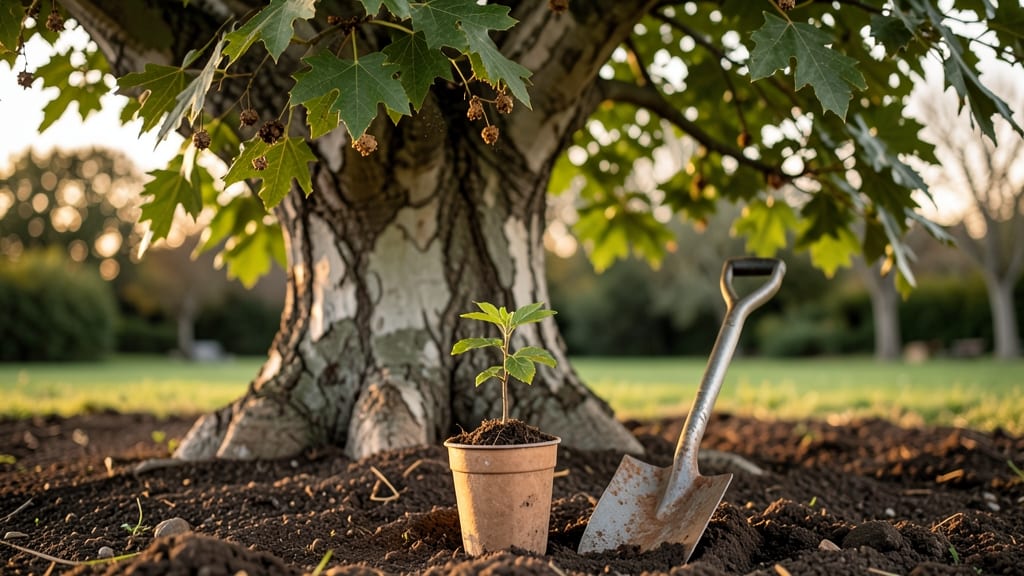
Planting trees in London means choosing varieties that handle frost, wind, and urban grit—like the London plane or English oak—while working with the city’s compact spaces and strict rules.
I’ve planted over a dozen in my neighborhood, and the key isn’t just digging a hole; it’s matching the tree to the spot, amending the soil, and knowing when to plant so roots establish before winter. The payoff?
A thriving canopy that cuts pollution, cools streets, and attracts birds—all while dodging fines for breaking Tree Preservation Orders.
Start with the right tools: a shovel, native soil mix, and mulch (compost or bark chips). London’s clay-heavy soil drains poorly, so amend with sand or grit for roots to breathe.
For small spaces, dwarf varieties like rowan or serviceberry work, while larger trees need root balls and staking to stay upright. Check your borough’s rules—some areas require permits, and planting near sidewalks has height limits. I always call the local council first; it saves headaches later.
Timing matters most: late autumn to early spring gives roots time to settle before summer heat or winter freeze. Water deeply after planting, then mulch to lock in moisture—urban soil dries out fast.
Within a year, you’ll see new shoots, and by year three, your tree will be tough enough to handle London’s pollution and compacted ground. The best part? You’re not just planting a tree; you’re joining a citywide effort to green up neighborhoods.
For supplies, hit up London’s specialist nurseries like Hillier or Barcham Trees, or check out Tree Museum for native stock. Community groups like The Tree Council often host planting days—great for free advice and extra hands.
Keep an eye on your tree’s progress, and don’t forget: patience is key. A well-planted tree in London can live for centuries, so get it right the first time.
📚 In This Guide
- What you need
- Instructions
- Tips and common mistakes
- Wrapping up and next steps
What you need
- ● Cold-resistant tree saplings: 1-3 (e.g., Hornbeam, Field Maple, or Rowan—check local nurseries for London-friendly varieties).
- ● Shovel or spade: 1 (wide, 20-24" blade for digging).
- ● Garden fork: 1 (for loosening compacted soil).
- ● Wheelbarrow or bucket: 1 (for mixing soil/amendments).
- ● Tree planting hole tools: 1 (auger or tree planting spade for precision).
- ● Compost or well-rotted manure: 1-2 wheelbarrow loads (to enrich soil).
- ● Mulch (wood chips or bark): 3-5 gallons (for moisture retention).
- ● Tree ties/stakes: 2-4 (if sapling is <1" caliper).
- ● Watering can or hose: 1 (with adjustable nozzle).
- ● Gloves & knee pads: 1 pair each (for comfort).
- ● Soil test kit: To check pH (London’s alkaline soil may need lime/sulfur).
- ● Root stimulator: 1 bottle (e.g., Mycorrhizal fungi for cold resilience).
- ● Tree guard: 1 (to protect young trunks from pests).
- ● Weatherproof tarp: 1 (for covering tools/equipment).
- ● Local council permits: Check if your area requires approval for large trees!
Instructions for planting cold-resistant trees in London’s climate
London’s chilly winters and variable springs demand careful planning—here’s how to establish trees that thrive year-round.
Select and Prepare the Planting Site
Choose a location with at least 6 feet of clearance around the tree’s mature height to allow for root spread and airflow. London’s urban soils often compact easily, so amend the area with 3-4 inches of organic compost mixed into the top 12 inches of native soil. This improves drainage and provides essential nutrients for root establishment.
Test the soil’s pH—most cold-resistant varieties like silver birch or field maple prefer a slightly acidic to neutral range (6.0-7.0). If your soil tests alkaline, incorporate sulfur-based amendments to adjust it gradually. Avoid planting in low-lying areas where cold air pools, as these spots can subject roots to prolonged frost damage.
Dig the Planting Hole and Acclimate the Tree
Excavate a hole twice as wide as the tree’s root ball but no deeper—this prevents soil compaction around the roots. The top of the root ball should sit 1-2 inches above ground level to account for future settling. If the tree arrives in a container, soak the root ball for 15-20 minutes before handling to minimize transplant shock.
Gently remove the tree from its container or burlap wrap, loosening any circling roots with your fingers. Submerge the root ball in a bucket of lukewarm water for 10 minutes to rehydrate the roots. This step is critical in London’s dry springs, where newly planted trees often struggle without adequate moisture.
Position and Backfill the Tree
Place the tree in the hole, ensuring the root flare (where roots meet the trunk) is visible above the surrounding soil. Fill the hole with the native soil you removed, tamping down lightly in 2-inch layers to eliminate air pockets. Avoid using amended soil exclusively, as this can disrupt the natural soil structure and hinder root expansion.
Create a 4-inch-high berm of soil around the outer edge of the hole to encourage water to settle near the roots. Water deeply (5 gallons) immediately after planting to eliminate air gaps and help the soil settle. Mulch the base with 2-3 inches of wood chips, keeping it 6 inches away from the trunk to prevent rot.
Water and Protect Through the First Year
London’s unpredictable weather means newly planted trees need consistent moisture during their first growing season. Water once a week during dry spells, providing 10-15 gallons per tree. Check soil moisture by inserting a screwdriver 6 inches deep—if it resists, water again. Overwatering is just as harmful as drought, so ensure the site has proper drainage.
Install a tree guard or temporary fence to shield young trees from urban pests like deer or rodents, which are more active in winter. In the first year, avoid pruning except to remove dead or damaged branches. This allows the tree to focus energy on root development rather than foliage growth.
Monitor and Adjust for Seasonal Changes
In London’s Zone 8a climate, winter care is essential. Apply a 3-inch layer of mulch in late fall to insulate roots from freezing temperatures. Prune in late winter (February), just before buds swell, to remove any branches damaged by ice or wind. Cold-resistant varieties like hornbeam or rowan handle frost well, but young trees may need burlap wraps during harsh winters.
Fertilize lightly in early spring with a balanced, slow-release fertilizer (10-10-10) to support new growth. Avoid heavy applications, as they can encourage tender shoots vulnerable to late frosts. By the second year, your tree should establish a strong root system, making it resilient to London’s seasonal extremes.
Tips & tricks for perfect tree planting in London’s climate
London’s climate can be unforgiving for young trees, but these practical strategies will help your cold-resistant varieties establish strong roots and thrive year-round.
Soil Preparation is Key: The 3-4 inches of organic compost you mix into the top 12 inches of soil should be thoroughly incorporated—don’t just layer it on top. Use a garden fork to break up compacted urban soil before adding amendments. This creates ideal conditions for root expansion, especially important in London’s heavy clay soils. I’ve seen trees planted in poorly prepared soil struggle even with cold-resistant varieties.
Root Ball Hydration Matters: That 10-minute soak in lukewarm water for container-grown trees is non-negotiable. I’ve watched trees wilt dramatically when this step is skipped, particularly during London’s dry springs. For bare-root trees, soak the roots for an additional 5 minutes to ensure full hydration before planting. This pre-planting watering helps compensate for the shock of transplanting.
Watering Strategy for First Year: The once-weekly watering guideline works well, but I recommend checking soil moisture more frequently during London’s unpredictable weather. Use a moisture meter or that screwdriver test at 6-inch depth—if it resists, water immediately. In particularly dry spells (which can happen even in spring), you might need to supplement with an additional 5 gallons every 10 days to maintain consistent moisture.
Seasonal Mulching Technique: That 3-inch mulch layer in late fall is essential, but don’t let it touch the trunk—keep it 6 inches away as specified. For extra winter protection, consider adding a 2-inch layer of straw over the wood chips. This creates an additional insulating barrier against London’s winter frosts while preventing soil compaction from heavy rainfall.
Pro Tips for Tree Planting London
- London’s climate can be unforgiving for young trees, but these practical strategies will help your cold-resistant varieties establish strong roots and thrive year-round.
- Soil Preparation is Key: The 3-4 inches of organic compost you mix into the top 12 inches of soil should be thoroughly incorporated—don’t just layer it on top.
- Root Ball Hydration Matters: That 10-minute soak in lukewarm water for container-grown trees is non-negotiable.
Frequently asked questions
Got questions about tree planting in London? You’re not alone! Here are some of the most common concerns—and their answers—to help you get started with confidence. Whether you're a beginner or just want to fine-tune your approach, these FAQs cover the basics and beyond.
When is the best time to plant trees in London’s climate?
The ideal window is late autumn to early spring (November–March). This gives roots time to establish before summer heat or winter frost. Pro tip: Avoid planting in extreme cold or drought—check the Met Office for local forecasts! Cold-resistant varieties like Hornbeam or Silver Birch thrive year-round.
How much does it cost to plant a tree in London?
Costs vary: DIY saplings run £5–£20 each, while professional planting (including soil prep and support) can be £100–£300 per tree. Check local schemes like London’s Tree Planting Initiative for subsidized options. Pro tip: Group planting often reduces costs—consider communal projects!
Can I plant trees in winter? What if it freezes?
Yes! Winter planting works well for bare-root trees (like Rowan or Hawthorn), but avoid frozen ground. Water deeply before planting, use mulch to insulate roots, and protect young trees with tree guards. Warning: Skip planting if temps drop below -5°C (23°F)—roots need active soil!
What’s the best tree for small London gardens or urban spaces?
Opt for compact, pollution-tolerant varieties like Dwarf Japanese Maple (for shade) or Columnar Apple Trees (for fruit). Hornbeam or Portuguese Laurel are also great for tight spaces. Pro tip: Check Tree London’s “Urban Tree Guide” for species suited to your soil type!
My newly planted tree isn’t growing—what went wrong?
Common culprits: poor drainage (London’s clay soil can trap water), overwatering, or pests (like vine weevils). Check root health, ensure 1–2 inches of water weekly, and add compost to improve soil. If leaves yellow, test for nutrient deficiencies—a soil test kit helps!
Are there alternatives to planting trees in London?
Yes! Consider hedgerows (e.g., Hazel or Blackthorn), large shrubs (like Holly), or native wildflowers to support biodiversity. For instant greenery, try fast-growing climbers (e.g., Ivy) on fences or walls. Bonus: These options often require less maintenance!
Still stumped? Reach out to local groups like The Tree Council or London National Park City for tailored advice!
Wrapping up and next steps
Planting cold-resistant trees in London isn’t just possible—it’s a rewarding way to boost your garden’s beauty and sustainability year-round. 🌳 From hardy oaks to resilient hollies, these varieties thrive even in the city’s chilly seasons, offering shade, wildlife support, and long-term growth.
Whether you’re a beginner or a seasoned gardener, now’s the perfect time to take action—start small, research local soil conditions, and watch your green space flourish.
Your Next Step:
- 📅 Pick a variety that matches your space and climate.
- 🌱 Check planting seasons (fall or early spring are ideal!).
- 🤝 Join a local group (like London Tree Officers Association) for tips and support.