
Pruning
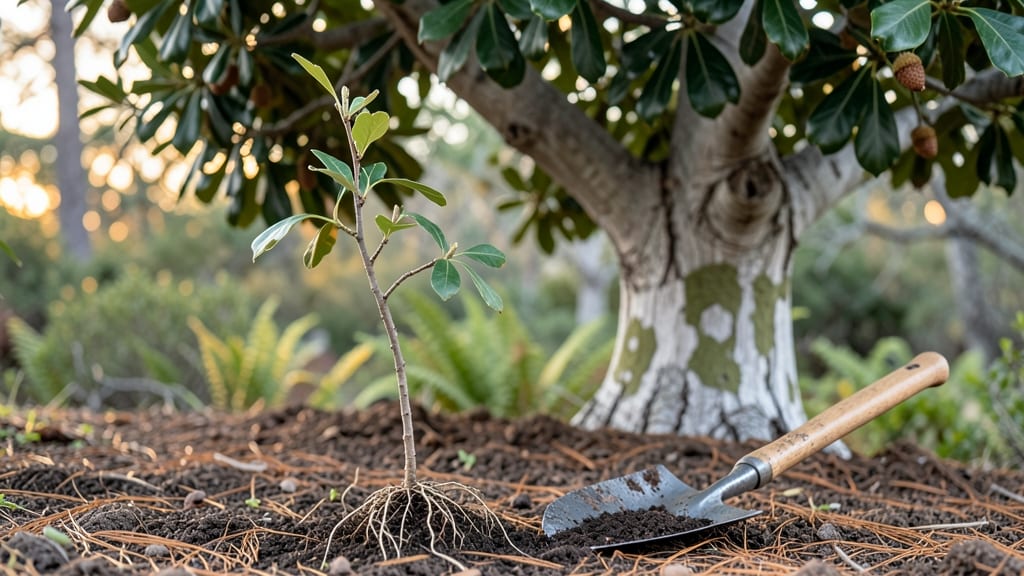
Planting trees in Sonoma County CA means choosing species that thrive in drought while supporting local ecosystems—my first oak sapling now stands taller than me after just three years.
The key is matching native trees like coast live oak or California sycamore to your microclimate, where summer fog and rocky soil demand special care. These trees don’t just survive—they transform dry hillsides into lush, wildlife-friendly canopies that need far less water once established.
You’ll need basic tools—a shovel, compost, and mulch—but the real secret is amending heavy clay soil with sand and organic matter to improve drainage. Sonoma’s native trees dislike soggy roots, so raised beds or mounded soil work wonders for first-year survival.
Local nurseries like Sonoma Ecology Center offer drought-resistant stock, and their staff can point you to species that handle your specific slope or sun exposure.
Timing matters most: plant between November and March when cooler temps reduce transplant shock, and water deeply every 7-10 days for the first year. My toyon bushes (a native shrub) now bloom every spring without extra water—proof that once established, these plants become self-sufficient.
The first flush of new leaves in spring is the best reward for patience.
Sonoma County offers rebates through programs like CalRecycle’s Urban Forestry, making native planting even more accessible. Start small with one tree, and watch how it anchors your landscape—both literally and ecologically. The payoff isn’t just shade, but a legacy that benefits future generations.
📚 In This Guide
- What you need
- Instructions
- Tips and common mistakes
- Wrapping up and next steps
What you need
- ● Native tree sapling: Choose from drought-tolerant species like Quercus agrifolia (coast live oak), Arbutus menziesii (Pacific madrone), or Ceanothus (California lilac). Size: 1–3 gallons (12–24" tall). Pro tip: Buy from local Sonoma County nurseries like blank">Sonoma Ecology Center for region-specific varieties!
- ● Shovel or tree planting bar: 1 heavy-duty shovel (18–24" blade) or a tree-specific planting bar for minimal root disturbance.
- ● Native soil or compost: 5–10 gallons of drought-resistant compost (e.g., Sonoma Compost or BioCycle blend). Avoid synthetic fertilizers—they can harm native microbes!
- ● Mulch (wood chips or straw): 2–3 cubic feet of untreated wood chips (3–4" deep) to retain moisture and suppress weeds.
- ● Watering supplies: 1–2 drip irrigation hoses (¼" tubing) or a soaker hose (20–50 ft long).
- ○ 1 watering timer (optional but recommended for consistency).
- ● Staking (if needed): 2 bamboo stakes (4–5 ft tall) + 1 tree tie (for young, flexible trees in windy areas).
- ● Garden gloves: 1 pair (heavy-duty for rough bark or rocky soil).
- ● Pruners: Bypass pruners (for shaping or removing dead branches post-planting).
- ○ Soil pH tester: Optional but helpful—Sonoma’s soil is often alkaline; aim for 6.0–7.0 for native trees.
- ● Mycorrhizal fungi: A packet of native fungi (e.g., Glomus intraradices) to boost root health—mix into planting hole.
- ● Wildlife-friendly touches: Birdhouse or Ceanothus seeds (for pollinators).
- ● Rocks or decorative mulch (for aesthetics and erosion control).
- ● Check local regulations: Sonoma County requires permits for planting near utility lines or in protected areas. Call blank">Sonoma County Agricultural Commissioner (707-565-6500) to confirm.
- ● Best planting window: Late fall (Nov–Dec) or early spring (Feb–March) to avoid summer drought stress.
- ● Site prep: Clear invasive plants (e.g., French broom or pampas grass) within a 10-foot radius of your tree.
Instructions for planting native trees in Sonoma County's drought-resilient landscapes
Here's how to establish native trees that thrive in Sonoma County's Mediterranean climate.
Select the Right Species for Your Site
Sonoma County's unique microclimates demand careful species selection. For dry slopes, California live oak (Quercus agrifolia) and Toyon (Heteromeles arbutifolia) excel with deep roots and drought tolerance. In riparian areas, Coast live oak (Quercus agrifolia) and willows (Salix spp.) thrive near water. Always choose trees native to your specific USDA hardiness zone—Sonoma County spans zones 7b to 9a—and match them to your soil type.
I recommend consulting the California Native Plant Society database to verify a species' natural range within the county. For example, Pacific dogwood (Cornus nuttallii) loves moist, well-drained soils in cooler zones, while valley oak (Quercus lobata) dominates drier inland areas. The key is matching the tree's native habitat to your planting site's conditions—this ensures long-term survival without supplemental watering.
Prepare the Planting Site for Optimal Growth
Clear the planting area of weeds and grass within a 3-foot radius around the hole, extending to 6 feet for larger specimens. Use the 1 gallon of horticultural vinegar to spot-treat persistent weeds if needed—this organic solution breaks down safely without harming soil microbes. For rocky or compacted soil, amend the native soil with 2 cubic yards of compost mixed into the top 12 inches of the planting hole.
Dig the hole twice as wide as the root ball but no deeper—this prevents root asphyxiation from sitting too low. The shovel and digging bar make quick work of breaking up clay layers common in Sonoma's coastal areas. If planting during dry months, water the hole deeply 24 hours before planting to encourage root expansion into moist soil. For container-grown trees, remove the pot and gently loosen circling roots with your fingers—this prevents girdling as the tree matures.
Plant with Proper Technique for Long-Term Stability
Position the tree so the top of the root ball sits 1-2 inches above ground level—this prevents waterlogging during heavy winter rains. Backfill the hole with a mix of native soil and the 2 cubic yards of compost, tamping gently as you go to eliminate air pockets. For larger trees, use the stakes and tree tie kit to provide temporary support, but only if the site is windy—over-staking restricts trunk development.
Water immediately after planting to settle the soil, then apply 10 gallons of water slowly at the base to encourage roots to spread outward. Mulch with 3 inches of wood chips within the 3-foot radius, keeping it 6 inches away from the trunk to prevent rot. The mulch should cover the entire root zone but not smother the tree—this mimics the natural leaf litter layer of native forests. Avoid synthetic mulches, which can alter soil chemistry and harm beneficial fungi.
Establish Watering and Maintenance for First-Year Success
For the first 30 days, water deeply twice weekly—15 gallons per session for small trees, 30 gallons for larger specimens. Use the soaker hose to deliver water slowly at the base, avoiding wetting the foliage to prevent fungal diseases like powdery mildew. After 30 days, reduce to once weekly for the first year, adjusting based on rainfall. Sonoma's foggy coastal areas may require less frequent watering, while inland zones like Santa Rosa need more consistent moisture.
Monitor the tree's progress by checking for new leaf growth—this signals the roots have established. If leaves yellow or wilt, the tree may be overwatered or struggling with poor drainage. Prune only to remove dead or crossing branches; avoid heavy pruning in the first year, as it stresses the tree. Apply a layer of 1 inch of compost annually in spring to replenish nutrients without overfeeding, which can encourage weak, disease-prone growth.
Transition to Low-Maintenance Care After Year One
By the second year, most native trees in Sonoma County require minimal intervention. Remove the stakes if still in place, as the tree should now have sufficient root anchorage. Continue mulching annually with 2 inches of fresh wood chips to maintain soil moisture and suppress weeds. Fertilize only if the tree shows signs of nutrient deficiency—native trees rarely need supplements in their natural habitat, and over-fertilizing attracts pests like scale insects.
Watch for signs of stress, such as leaf curl or early leaf drop, which may indicate pest pressure or disease. Native trees are generally resistant, but aphids or spider mites can still appear. Treat with neem oil spray as needed—this organic solution disrupts pests without harming beneficial insects. In drought years, provide deep watering every 3-4 weeks during the dry season, but avoid shallow, frequent watering that encourages shallow roots dependent on irrigation.
Tips & tricks for planting native trees in Sonoma County
Planting native trees in Sonoma County's unique Mediterranean climate requires attention to detail—here are the key strategies that make all the difference between a thriving landscape and a struggling investment.
Species Selection Matters: When choosing between California live oak for dry slopes or Pacific dogwood for moist areas, pay close attention to the microclimate of your specific planting site. The California Native Plant Society database is your best resource for verifying a species' natural range within Sonoma County's zones 7b to 9a. For example, valley oaks thrive in drier inland areas while coast live oaks prefer foggy coastal conditions. Matching the tree's native habitat to your site conditions ensures long-term success without supplemental watering.
Soil Preparation is Critical: The 24-hour pre-watering of the planting hole before Step 2 is essential, especially during dry months. This practice encourages roots to expand into moist soil immediately upon planting. When amending the soil with 2 cubic yards of compost, focus on the top 12 inches—this creates an ideal root zone without overwhelming the tree's natural soil chemistry. For rocky or compacted soil common in coastal areas, use the digging bar to break up clay layers gently rather than forcing the tree into unnatural conditions.
Watering Technique Prevents Common Mistakes: During the first 30 days, the twice-weekly watering schedule of 15 gallons per session for small trees is designed to establish roots without encouraging shallow growth. Use the soaker hose to deliver water slowly at the base, avoiding wetting foliage which can lead to fungal diseases like powdery mildew. After the initial 30 days, reducing to weekly watering helps transition the tree to more natural conditions while still providing adequate moisture for root establishment.
Mulching Strategy Protects Long-Term Health: The 3-inch layer of wood chips within a 3-foot radius creates an ideal microclimate that mimics natural forest conditions. Keep the mulch 6 inches away from the trunk to prevent rot and allow air circulation. Annual mulching with 2 inches of fresh wood chips after year one maintains soil moisture and suppresses weeds without smothering the tree. This organic approach supports beneficial fungi and soil microbes that native trees rely on for nutrient uptake.
Pro Tips for Tree Planting Sonoma County Ca
- Planting native trees in Sonoma County's unique Mediterranean climate requires attention to detail—here are the key strategies that make all the difference between a thriving landscape and a struggling investment.
- Species Selection Matters: When choosing between California live oak for dry slopes or Pacific dogwood for moist areas, pay close attention to the microclimate of your specific planting site.
- Soil Preparation is Critical: The 24-hour pre-watering of the planting hole before Step 2 is essential, especially during dry months.
Frequently asked questions
Got questions about planting drought-resistant trees in Sonoma County, CA? You’re not alone! Here are answers to the most common queries to help you get started with confidence.
What are the best drought-resistant trees for Sonoma County’s climate?
Native species like California Sycamore, Valley Oak, and Toyon thrive in Sonoma’s Mediterranean climate. For smaller spaces, consider Coffeeberry or Manzanita. These trees require minimal water once established and support local wildlife.
When is the ideal time to plant trees in Sonoma County?
Plant in late fall or early spring (November–March) to avoid summer heat and drought stress. Avoid planting during fire season (June–October)—young trees need extra care to prevent damage. Cooler months also give roots time to establish before dry spells.
How much water do newly planted trees need in Sonoma’s dry summers?
Water deeply 2–3 times per week for the first month, then taper to once a week for the next 2–3 months. After that, most native species need only occasional watering (every 2–4 weeks). Mulch heavily (3–4 inches) to retain moisture and protect roots.
Can I plant trees in my front yard if I have a HOA?
Check your HOA’s landscape guidelines—many allow native trees but restrict size or species. Popular HOA-friendly options include California Lilac or Dwarf Toyon. Submit a request for approval before planting to avoid fines or removal requests.
What should I do if my tree’s leaves turn brown or wilt after planting?
Brown leaves often signal underwatering or transplant shock. Water deeply and check soil moisture. If pests (like aphids) are present, use neem oil or insecticidal soap. Avoid over-fertilizing—native trees prefer lean soil. Monitor for root rot if soil stays soggy.
Are there alternatives to planting trees for drought resilience?
Yes! Consider ground covers (like Ceanothus or Yerba Buena), shrubs (e.g., Cleveland Sage), or native grasses (e.g., Purple Needlegrass). These reduce water use, prevent erosion, and support pollinators—just like trees!
Wrapping up and next steps
Planting native, drought-resistant trees in Sonoma County, CA isn’t just an eco-friendly choice—it’s a smart one for the future of our landscapes. 🌱 By selecting species like toyons, coast live oaks, and California sycamores, you’re creating thriving habitats, reducing water waste, and supporting local biodiversity.
Whether you’re a homeowner, landscaper, or community volunteer, every tree makes a difference!
Ready to take action? Start small:
- Pick one native species to plant this season.
- Check local Sonoma County resources for workshops or rebates.
- Spread the word—invite neighbors to join you!