
Companion Plants
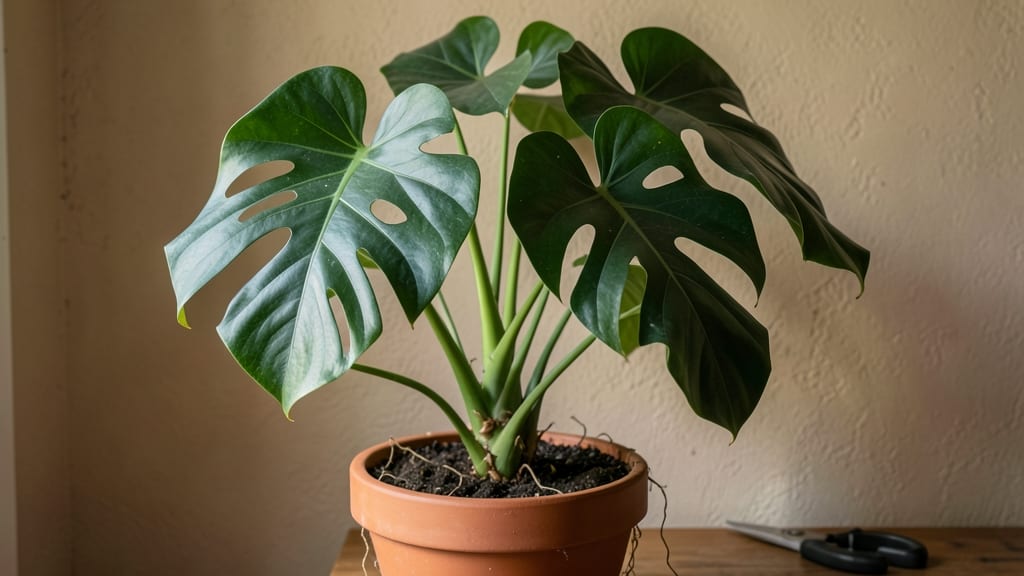
Growing tropical large plants indoors means year-round jungle vibes without the humidity headache. I’ve turned my living room into a mini rainforest with plants like monstera and fiddle-leaf figs—no pruning required, just consistent care. The key is mimicking their natural environment without going overboard on effort.
You’ll need bright, indirect light (east or west windows work best), well-draining soil, and a watering routine that keeps roots moist but never soggy. A humidifier or pebble tray helps, but even dry air won’t kill these tough guys if you adjust slightly.
Fertilizing every 6-8 weeks with a balanced houseplant food keeps them growing like crazy.
By summer, your plants will reward you with glossy, oversized leaves that make neighbors jealous. The best part? These giants thrive with minimal fuss—just watch them grow instead of constantly pruning.
We’ll cover how to troubleshoot common issues like yellow leaves or pests so your tropical oasis stays lush all year.
Whether you’re starting with a single monstera or filling a whole room with fiddle-leaf figs, this guide keeps things simple. Let’s get those big-leafed beauties thriving without the stress.
📚 In This Guide
- What you need
- Instructions
- Tips and common mistakes
- Wrapping up and next steps
What you need
- ● Large tropical plants: Choose from species like Monstera deliciosa, Philodendron bipinnatifidum, or Alocasia. Start with 1-3 mature plants or 5-10 young plants (3-6 inches tall) for a lush look.
- ● High-quality potting mix: 5-10 gallons of a well-draining, peat-based mix (e.g., 60% peat moss, 20% perlite, 20% orchid bark). For outdoor planting, use a mix of garden soil, compost, and sand (ratio: 50-30-20).
- ● Containers or garden space: Indoors: 1-3 large pots (12-18 inches in diameter) with drainage holes. Use self-watering pots for convenience.
- ● Outdoors: A shaded or partially shaded area with well-draining soil. For container gardening, use 5-gallon pots or larger.
- ● Fertilizer: A balanced, slow-release fertilizer (10-10-10 or 20-20-20) or organic options like composted manure or worm castings. Apply every 4-6 weeks during growing season.
- ● Watering can or hose: A can with a narrow spout for pots or a gentle spray nozzle for outdoor plants.
- ● Mulch: 2-3 inches of organic mulch (e.g., shredded bark or coconut coir) to retain moisture and regulate soil temperature.
- ● Garden trowel or shovel: For transplanting or digging holes (outdoor use).
- ● Pruning shears: Sharp, sterilized shears for trimming dead or overgrown leaves.
- ● Gloves: Heavy-duty gardening gloves to protect hands from thorns or rough leaves.
- ○ pH testing kit: Optional but helpful to ensure soil pH is between 5.5-7.0 (ideal for most tropical plants).
- ● Humidity tray or humidifier: For indoor plants, especially in dry climates. Use a pebble tray with water or a small humidifier near plants.
- ○ Grow lights: Optional for indoor setups—LED grow lights (1200-2000 lumens) for 12-14 hours/day if natural light is insufficient.
- ● Location: Choose a spot with indirect bright light (e.g., under trees, near east/west-facing windows, or in a shaded patio). Avoid direct sunlight, which can scorch leaves.
- ● Temperature control: Maintain temperatures between 65-85°F (18-29°C). Most tropical plants thrive in warm, stable environments.
- ● Watering routine: Keep soil consistently moist but not soggy. Water when the top 1-2 inches of soil feel dry. Reduce watering in winter.
- ● Drainage: Ensure containers or garden beds have proper drainage to prevent root rot.
Instructions for cultivating tropical large plants with minimal pruning
Here’s how to nurture bold, statement-making tropicals that thrive year-round with just a few strategic adjustments.
Select the Right Containers and Drainage
Large tropical plants need 12- to 18-inch-deep containers with multiple drainage holes—their roots despise soggy conditions. I opt for glazed ceramic or heavy plastic pots because they retain moisture while preventing root rot. If using fabric grow bags, ensure they’re at least 14 inches deep and reinforced with sturdy stakes for support.
Place a 2-inch layer of gravel or broken pottery at the bottom of each container before adding soil. This creates an air pocket that prevents waterlogging while allowing excess moisture to drain freely. The key is balance: tropicals need consistent dampness, but their roots must breathe.
Use a Light, Airy Potting Mix
Fill your containers with a custom tropical blend—equal parts orchid bark, coco coir, and perlite—to mimic the fast-draining yet moisture-retentive soils of their native habitats. Avoid garden soil or heavy potting mixes; they compact and suffocate roots. I mix in a handful of worm castings for gentle, slow-release nutrients.
Fluff the mix with your hands until it’s light and aerated, then water it thoroughly before planting. Press the soil down lightly around the roots to eliminate air pockets, but don’t compact it—tropical roots need space to expand. A well-amended mix ensures your plants grow vigorously with minimal pruning.
Position for Bright, Indirect Light
Most large tropicals thrive in bright, indirect light—think east or west-facing windows or 6-10 feet from a south window. Direct sun can scorch leaves, while low light causes leggy growth. If your space lacks natural light, supplement with a 10,000-lux LED grow light for 12-14 hours daily. Keep the light 18-24 inches above the plant to avoid heat stress.
Rotate your pots quarter-turn weekly so all sides receive even light exposure. You’ll notice new growth leaning toward the light—this is your cue to adjust placement. Over time, your plants will develop a full, symmetrical shape with minimal pruning.
Water Deeply and Consistently
Water when the top 2 inches of soil feel dry—stick your finger in to check. Tropicals prefer even moisture, so I water deeply until it drains from the bottom, then empty the saucer to prevent root rot. In summer, I water every 3-4 days; in winter, every 5-7 days. Overwatering is the fastest way to kill these plants, so always err on the side of slightly drier.
Mist the leaves 2-3 times weekly to replicate humidity levels of their native rainforests. A pebble tray with water beneath the pot adds extra moisture without soggy soil. Watch for yellowing leaves—a sign of overwatering—or crispy edges, indicating dryness. Adjust your watering schedule accordingly.
Feed and Prune Strategically
Fertilize monthly in spring and summer with a balanced, water-soluble fertilizer (10-10-10) diluted to half strength. In fall and winter, cut back to every 6-8 weeks—these plants grow slower in cooler months. I also top-dress with a slow-release fertilizer in early spring to give them a nutrient boost without frequent applications.
Prune only to remove dead or yellowing leaves—never more than 10% of the plant at once. Use sterilized pruners to make clean cuts just above a leaf node. This encourages bushier growth and prevents shock. If your plant outgrows its space, propagate cuttings in water or moist soil to expand your collection.
With these steps, your tropicals will flourish with minimal effort—just light, water, and occasional pruning.
Tips & tricks for perfectly cultivated tropical large plants
Mastering the care of bold tropicals comes down to understanding their subtle needs—these small adjustments make all the difference between thriving plants and struggling survivors.
Container Depth Matters: In Step 1, when selecting containers, remember that deeper isn't always better—12- to 18-inch depth is ideal because it provides enough root space without creating moisture traps. I've learned the hard way that shallower pots (under 12 inches) restrict root growth, while pots over 18 inches can lead to water retention issues. Glazed ceramic pots are my top choice because they maintain consistent moisture levels while preventing root rot.
Soil Mix Science: The custom tropical blend in Step 2 requires equal parts orchid bark, coco coir, and perlite for a reason—this ratio mimics the fast-draining yet moisture-retentive soils of their native habitats. I always pre-mix my soil and store it in a sealed container to maintain its airy texture. The worm castings are non-negotiable; they provide gentle, slow-release nutrients that prevent fertilizer burn while supporting vigorous growth.
Light Rotation Strategy: The quarter-turn weekly rotation in Step 3 isn't just about aesthetics—it ensures even light exposure that prevents lopsided growth. I've noticed that plants left unrotated develop toward the light source, creating an uneven silhouette. Positioning your grow light 18-24 inches above the plant is crucial; any closer risks heat stress, while farther away reduces light intensity.
Watering Precision: The finger-check method in Step 4 for moisture is more reliable than guessing. I've found that tropicals actually prefer slightly drier conditions than most people assume—the top 2 inches should feel dry before watering. The key is consistency: water deeply until it drains from the bottom, then empty the saucer immediately to prevent root rot. This method ensures even moisture without waterlogging.
Pro Tips for Tropical Large Plants
- Mastering the care of bold tropicals comes down to understanding their subtle needs—these small adjustments make all the difference between thriving plants and struggling survivors.
- Container Depth Matters: In Step 1, when selecting containers, remember that deeper isn't always better—12- to 18-inch depth is ideal because it provides enough root space without creating moisture traps.
- Soil Mix Science: The custom tropical blend in Step 2 requires equal parts orchid bark, coco coir, and perlite for a reason—this ratio mimics the fast-draining yet moisture-retentive soils of their native habitats.
Frequently asked questions
Got questions about growing tropical large plants? You’re not alone! Here are some of the most common concerns—and straightforward answers—to help you thrive with minimal fuss.
What are the easiest tropical large plants for beginners?
Start with low-maintenance giants like the Monstera deliciosa (Swiss cheese plant) or Philodendron bipinnatifidum (tree philodendron). Both tolerate humidity fluctuations and thrive in bright, indirect light. Avoid fussy species like Alocasia until you’re more experienced!
How do I protect tropical plants in winter?
Most tropicals need warmth—keep them above 60°F (15°C). Move potted plants near south-facing windows or use a grow light. For outdoor plants, cover them with frost cloth or relocate them indoors. Pro tip: Group plants together to create a microclimate that retains warmth!
Why are my large tropical leaves turning yellow?
Yellow leaves usually signal overwatering or poor drainage. Let the top 2–3 inches of soil dry out between waterings, and ensure pots have drainage holes. Check for root rot if the issue persists—trim affected roots and repot in fresh, well-draining mix.
Can I grow tropical plants indoors year-round?
With the right setup, many tropicals thrive indoors. Place them near bright, indirect light (east or west windows work best). Rotate pots occasionally for even growth, and use a humidifier or pebble tray to mimic their natural environment.
How often should I prune large tropical plants?
Prune only when necessary—trim yellow or damaged leaves to redirect energy. For shape, prune in early spring before new growth. Use clean, sharp shears to avoid tearing. Pro tip: Propagate cuttings in water or soil to grow new plants!
What pests should I watch for on tropical plants?
Keep an eye out for spider mites, mealybugs, or scale insects. Wipe leaves with soapy water or use neem oil spray for mild infestations. Isolate affected plants to prevent spreading. Prevention tip: Inspect new plants before bringing them indoors!
Wrapping up and next steps
Growing tropical large plants is a rewarding journey that brings year-round lushness to your space with just a little care! 🌿 From selecting the right species to mastering minimal pruning, you’ve got all the tools to create a thriving oasis.
Whether you’re a seasoned gardener or a beginner, these stunning plants will add beauty and serenity to your home or garden.
Ready to dive in? Start by picking one or two tropical beauties that match your climate and space—then watch them flourish! 🌱 For extra inspiration, explore companion plants or creative container ideas to elevate your green sanctuary. Happy growing!