
Watering
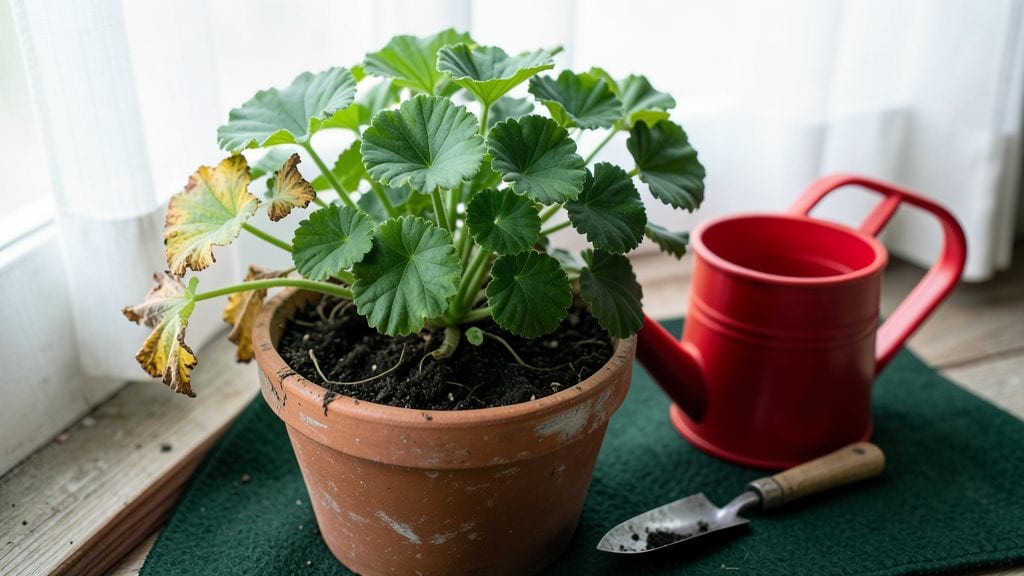
Deciphering the signs of an underwatered or overwatered plant saved my ferns—until I stopped guessing and started listening to their leaves instead. 🌱 subtle signs. The difference between crispy edges and mushy stems comes down to understanding what your plant actually needs, not what a calendar suggests.
Here's the thing—most plants show stress in predictable ways. Drooping leaves that feel dry at the edges? That's thirst. Yellowing leaves that stay limp even when the soil's wet? Root rot.
The fix isn't guessing—it's checking soil moisture with your fingers (top inch dry = water; cold and clumpy = stop) and adjusting based on what you see, not what you think you should do.
My garden journal now tracks watering days alongside weather notes, and it's saved more than a few struggling plants.
By the end, you'll spot the early warning signs before they become problems: crispy leaf edges, wilting stems, or that telltale foul smell from overwatered soil. We'll cover how to revive plants at each stage—whether it's a quick drink for parched roots or letting soggy soil dry out slowly.
The goal? Plants that stay perky without you second-guessing every watering decision.
Works for everything from fussy houseplants to tough backyard perennials. Let's turn your watering from a guessing game into a confidence boost—starting with what your plants are already trying to tell you.
The Hidden Triggers Behind Plant Stress
Understanding why your plants end up underwatered or overwatered starts with recognizing the subtle (and not-so-subtle) factors at play. These issues rarely happen by accident—they’re the result of environmental cues, human habits, or even plant biology working against you.
Let’s break down the real culprits behind these common growing mistakes, so you can spot them before your leaves start screaming for help.
Soil isn’t just dirt—it’s a dynamic ecosystem with its own personality. Some types hold onto water like a sponge, while others drain faster than a sieve. Here’s how soil tricks you:
- Clay Soil (The Glue That Suffocates Roots) - Why it causes overwatering: Clay particles pack tightly, trapping water and oxygen in tiny pockets. Roots drown because they can’t access air, even if the soil looks moist. - Actionable fix: Amend with perlite, sand, or compost to improve drainage.
Test moisture by sticking your finger 2 inches deep—if it’s slick, hold off on watering.
- Sandy Soil (The Thief of Moisture) - Why it causes underwatering: Water zips through sand like a racecar, leaving roots high and dry in minutes. Plants may wilt even if you watered yesterday. - Actionable fix: Mix in peat moss or coconut coir to retain moisture.
Use mulch to slow evaporation.
- Peat-Based Mixes (The Deceptive Dry Spell) - Why it causes underwatering: Many potting soils contain sphagnum peat, which holds water initially but dries out fast once exposed to air.
Plants in peat-heavy mixes often need daily checks in hot climates. - Actionable fix: Swap for moisture-retentive blends (like those with coco coir + compost) or water more frequently in heatwaves.
Your plant’s home isn’t just about aesthetics—it’s a water management system. The wrong pot can turn your green thumb into a disaster waiting to happen.
- Terracotta Pots (The Sun-Baked Trap) - Why they cause underwatering: These pots wick moisture from the soil like a sponge, drying plants out faster than plastic.
In full sun, they can evaporate water overnight. - Actionable fix: Water earlier in the day (before evaporation peaks) or switch to self-watering pots with saucers.
- Plastic Pots (The Water Prison) - Why they cause overwatering: Plastic traps heat and moisture, slowing drainage. Roots suffocate if water pools at the bottom, leading to root rot before you notice. - Actionable fix: Drill drainage holes if missing.
Elevate pots on feet or trays to prevent soggy bottoms.
- No Drainage Holes (The Silent Killer) - Why they cause overwatering: Without escape routes, water lingers at the roots, cutting off oxygen. Even "drought-tolerant" plants (like succulents) will rot in these conditions. - Actionable fix: Never use pots without holes—period.
If repotting isn’t an option, water sparingly and monitor for mushy stems.
Let’s be honest—you’re part of the problem. Even the best gardeners fall into traps like: - Overwatering "Just in Case": Many people water on a schedule, not based on soil conditions.
Plants in shade need half the water of those in sun. - Fix: Stick your finger in the soil—if the top 1–2 inches are dry, water. If not, wait. - Ignoring Seasonal Shifts: Winter slows plant metabolism, so they need less water.
Summer heat? More frequent but shorter waterings prevent runoff. - Fix: Adjust your routine monthly.
A rain gauge near your plants helps track real-world moisture. - Using Ice Cubes or Mist Sprays: These methods rarely reach roots and often lead to fungal issues from excess surface moisture. - Fix: Water deeply at the base (not the leaves) for root-level hydration.
Your plant’s world isn’t just soil and pots—it’s a battlefield of air, light, and temperature. Here’s how the weather conspires against you:
- Low Humidity (The Silent Drought)
- Why it causes underwatering: Dry air pulls moisture from leaves faster than you can water. Common in winter (heating) and spring (AC).
- Actionable fix: Group plants together, use a humidifier, or mist leaves lightly (avoid fungus-prone species like ferns).
- Direct Sun + Wind (The Double Whammy)
- Why it causes underwatering: Sun heats soil, speeding evaporation. Wind strips moisture from leaves like a leaf blower.
- Actionable fix: Move pots to shadier spots midday. Use windbreaks (like a lattice) or water in the evening to reduce loss.
- Temperature Swings (The Confusion Factor) - Why they cause overwatering: Cold soil absorbs water poorly, leading to surface pooling. Warm soil drinks water faster, tricking you into overdoing it. - Actionable fix: Water only when soil is warm (test with your hand).
In cold snaps, reduce frequency by 50%.
Not all plants are created equal—and neither are their water needs. Mixing them up is like giving a cactus the same care as a fern.
- Succulents & Cacti (The Hoarders) - Why they get overwatered: Their thick leaves store water, but rotting roots happen in days if soggy.
Many gardeners panic and water again when they see wrinkling (which is normal!). - Actionable fix: Water only when soil is bone-dry (stick a chopstick in—if it comes out clean, water).
- Tropical Plants (The Thirsty Divas)
- Why they get underwatered: Plants like monstera or philodendrons love humidity and wilting is a late sign of stress. By then, roots may already be damaged.
- Actionable fix: Keep soil consistently moist (not soggy). Use a moisture meter for precision.
- Bulbs & Tubers (The Sleeping Beauties)
- Why they get overwatered: During dormancy (e.g., daffodils in summer), they don’t need water. Overwatering rots the bulb before it’s time to grow again.
- Actionable fix: Stop watering entirely during dormancy. Resume only when new growth appears.
Smart pots, self-watering systems, and apps sound like a gardener’s dream—but they can backfire spectacularly.
- Self-Watering Containers (The False Sense of Security) - Why they cause overwatering: These systems keep soil wet for days, which is great for some plants (like lettuce) but deadly for others (like succulents). - Actionable fix: Monitor soil moisture—even with self-watering pots.
Drain excess water from reservoirs weekly.
- Automatic Drip Systems (The Set-It-and-Forget-It Flaw)
- Why they cause overwatering: If not calibrated, they dump water daily, assuming your plants are thirsty tropicals—when they might be drought-loving lavender.
- Actionable fix: Adjust timers seasonally. Use soil moisture sensors to trigger watering only when needed.
- Over-Reliance on Apps
- Why they cause underwatering: Many apps guess based on plant type and weather—but they ignore your unique setup (e.g., your terracotta pot vs. their plastic model).
- Actionable fix: Use apps as a starting point, not a rulebook. Trust your fingers and eyes more than algorithms.
Quick Fixes for Stressed Plants
Reviving a plant that’s been underwatered or overwatered starts with identifying the root of the problem—and then taking action. Below, we’ve mapped out practical solutions for each common cause, along with prevention tips to keep your green friends thriving. No green thumb required!
If your plant is thirsty, it’s time to hydrate it properly—but not all at once!
🔥 Step 1: Deep Watering (The Right Way)
- Water thoroughly until it drains from the bottom. Most plants need 1-2 inches of water per week (check soil depth, not just the surface).
- Use room-temperature water to avoid shocking the roots.
Cold water can stress plants further. - Let excess water drain completely—soggy roots are just as bad as dry ones!
👨🍳 Step 2: Adjust Your Watering Schedule
- Morning is best—watering early allows foliage to dry before nightfall, reducing fungal risks.
- Stick your finger in the soil (1-2 inches deep). If it’s dry, water; if damp, wait.
- Group plants with similar needs together to streamline care.
🌡️ Step 3: Boost Humidity (If Needed)
- Mist leaves lightly (especially for tropical plants like ferns or calatheas).
- Use a pebble tray with water underneath the pot to increase moisture in the air.
- Group plants together—they release humidity naturally!
💡 Prevention Tips for Underwatering
✅ Set reminders (phone alerts or a watering calendar). ✅ Use self-watering pots for forgetful plant parents. ✅ Check soil type—sandy soil dries faster than clay or peat-based mixes.
Too much love can drown your plant. Drainage and airflow are your new best friends!
🍳 Step 1: Drain the Damage
- Stop watering immediately—let the soil dry out completely before watering again.
- Repot if needed—if roots are mushy or the soil smells sour, transfer to fresh, well-draining mix.
- Check for root rot—healthy roots are firm and white; rotten roots are brown and slimy.
🔪 Step 2: Improve Drainage
- Add perlite or sand to heavy soil to help water flow through.
- Use pots with drainage holes—if yours don’t have them, elevate the pot on a saucer.
- Avoid saucers that trap water—empty excess after 10-15 minutes.
⏰ Step 3: Water Less Frequently (But Deeply)
- Wait until the top 2 inches of soil are dry before watering again.
- Use the "knuckle test"—if your knuckles feel dry after pressing into the soil, it’s time.
- Consider a moisture meter for precise readings (great for finicky plants).
🎯 Prevention Tips for Overwatering
✅ Water only when necessary—better to underwater slightly than drown. ✅ Choose the right pot size—smaller pots dry out faster than oversized ones. ✅ Avoid watering on a schedule—adjust based on plant needs and weather.
No matter the issue, these quick fixes can help any struggling plant bounce back:
| Problem | Fix | Prevention |
|---|---|---|
| Yellow leaves | Trim dead leaves, adjust water | Balance sunlight & moisture |
| Wilted stems | Deep water, check roots | Ensure proper drainage |
| Brown leaf tips | Increase humidity, avoid fluoride in water | Use filtered or distilled water |
| Slow growth | Fertilize lightly, repot if root-bound | Rotate plants for even light |
💡 Pro Tip: If your plant is severely stressed, prune damaged leaves to help it focus energy on recovery. And remember—patience is key! Some plants take weeks to rebound, but with the right care, they’ll be back to their happy, leafy selves. 🌿✨
Frequently asked questions
How do I tell if my plant is thirsty or drowning?
Check the soil first—stick your finger 1-2 inches deep. If it's dry and pulling away from the pot, it's thirsty. If it's cold, clumpy, or smells sour, it's overwatered. Look at the leaves too: crispy edges = thirsty; yellowing bottom leaves = too much water.
Can I save a plant with mushy stems from overwatering?
Possibly! First, stop watering immediately and let the soil dry completely. Repot in fresh, well-draining mix if roots are mushy. Trim any blackened stems with clean scissors. Place it in bright, indirect light and water only when the top inch is bone-dry.
Why does my plant wilt after watering?
This usually means root rot from overwatering. The roots can't absorb water properly when damaged. Let the soil dry out completely before watering again, and check for drainage issues. If the pot has no holes, repot immediately. For thirsty plants, wilt often means they need more frequent watering.
How often should I water my houseplants?
There's no one-size-fits-all answer—it depends on your plant, pot, and environment! Most need water when the top 1-2 inches of soil are dry. Tropical plants may need weekly watering, while succulents can go 2-4 weeks between drinks. Always check soil moisture first.
Is it better to underwater or overwater plants?
Neither! But plants handle underwatering better than overwatering. Most can bounce back from thirst with proper hydration, while overwatering causes silent root rot that's often irreversible. The key is balance—water deeply but let soil dry between sessions, especially in pots without drainage.