
Flowers
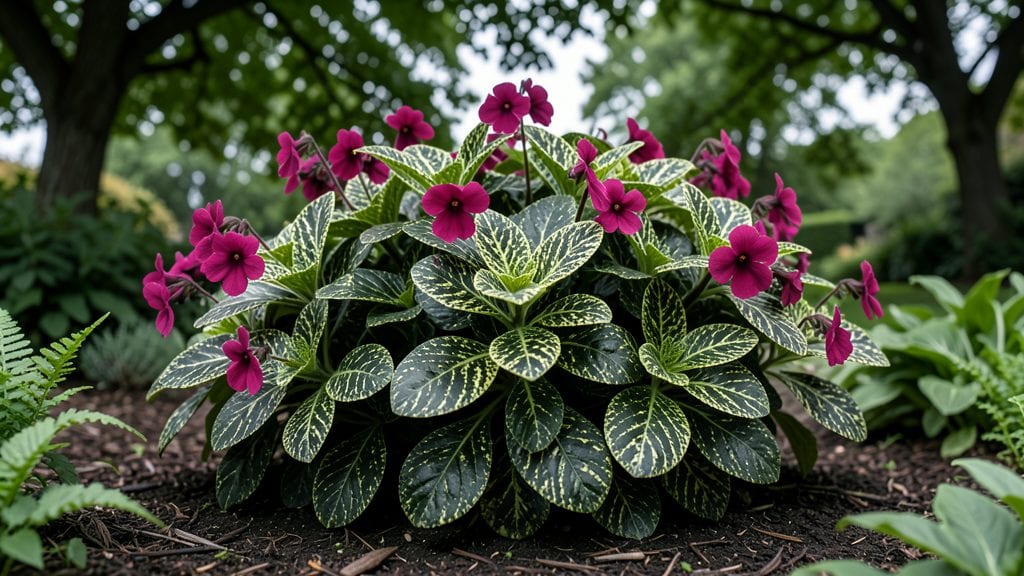
Variegated impatiens plants bring a splash of creamy-white and deep-green foliage that turns every shady corner into a living painting. 🌿 I’ll never forget the first time I tucked these into my woodland garden—their delicate blooms and striking leaves made the space feel like a secret garden.
These plants aren’t just pretty; they’re tougher than they look, thriving where others fail.
The secret to their success is simple: partial shade, consistently moist (but not soggy) soil, and a little protection from harsh winds. You don’t need fancy equipment—just a spot with dappled light and a container or garden bed with good drainage.
They’ll reward you with blooms from spring to frost, and their variegation stays sharpest when they’re happy.
What you’ll love most is how effortlessly they fill gaps—whether in hanging baskets, window boxes, or as ground cover under trees. Their glossy leaves catch the light just right, and the blooms attract butterflies without requiring deadheading.
The key is keeping them from drying out, but once they’re established, they’re surprisingly low-maintenance.
Perfect for beginners or busy gardeners, these plants prove that shade doesn’t mean dull. Let’s get yours growing—your garden’s about to get a whole lot more interesting!
📚 In This Guide
- What you need
- Instructions
- Tips and common mistakes
- Wrapping up and next steps
What you need
- ● Variegated Impatiens Seeds or Plants: Choose disease-resistant varieties like Impatiens walleriana or Impatiens hawkeri. Buy 5–10 plants or seeds for a vibrant display.
- ● Well-Draining Potting Mix: A blend of 60% peat or coco coir, 20% perlite, and 20% compost (or pre-mixed African violet mix for optimal drainage).
- ● Containers or Garden Beds: For containers: 6–12-inch pots with drainage holes (1 plant per 6-inch pot).
- ● For garden beds: Full sun to partial shade (4+ hours of light daily).
- ● Slow-Release Fertilizer: A balanced 10-10-10 or organic option (e.g., fish emulsion) to feed plants every 6–8 weeks.
- ● Mulch: 1–2 inches of organic mulch (e.g., shredded bark or pine needles) to retain moisture and suppress weeds.
- ● Gloves & Hand Trowel: For gentle handling and transplanting.
- ● Watering Can or Hose with Nozzle: Water deeply but avoid soggy soil.
- ● Pruning Shears: To trim leggy stems and encourage bushiness.
- ○ Spray Bottle (Optional): For misting seedlings or humidity-loving varieties.
- ○ Shade Cloth (Optional): 30–50% coverage for high-light areas to prevent leaf scorch.
Step-by-Step instructions for planting and caring for variegated impatiens
Here's how I keep these drought-tolerant beauties thriving with minimal fuss—perfect for containers or garden beds.
🪴 Step 1: Choose the Right Location and Prepare the Soil
Variegated impatiens love partial shade—think 4-6 hours of morning sun and afternoon shade in hotter climates. They'll tolerate full shade if you live in a very warm zone, but you'll sacrifice some of that stunning variegation. I always test a spot by checking how much light it gets between 10 AM and 2 PM—that's their sweet spot.
Amend your soil with 2-3 inches of compost before planting to improve drainage and fertility. These plants hate soggy roots, so if your soil drains poorly, mix in a handful of perlite per planting hole. The goal is soil that feels like a damp sponge—not muddy or bone-dry.
🌱 Step 2: Plant at the Correct Depth and Spacing
Dig holes twice as wide as the root ball but only as deep as the container they came in. Pressing the soil too firmly can damage delicate roots. I gently tease the roots apart if they're circling in the pot—this encourages them to spread outward instead of staying compact.
Space plants 12-18 inches apart in garden beds or 6-8 inches apart in containers. Crowding leads to weak stems and fewer blooms. Water deeply right after planting to settle the soil around the roots. You'll know it's right when the surface looks evenly moist but not standing in water.
💧 Step 3: Water Consistently and Monitor Soil Moisture
These drought-tolerant impatiens still need consistent moisture—never let them dry out completely. Water when the top inch of soil feels dry to the touch. I use a soaker hose for garden beds to deliver water slowly at the base, which prevents fungal issues from overhead sprinkling.
In containers, check soil moisture daily during hot weather. If the soil feels light and dry just below the surface, it's time to water. Mulch with 1-2 inches of shredded bark to retain moisture and keep roots cool. Avoid wetting the leaves when watering—this is how fungal diseases like powdery mildew start.
☀️ Step 4: Fertilize and Encourage Continuous Blooms
Feed every 4-6 weeks with a balanced, water-soluble fertilizer (10-10-10 or 20-20-20). I mix it at half the recommended strength to avoid burning tender roots. Variegated impatiens bloom best when they're well-fed but not over-fertilized—too much nitrogen leads to lush leaves but few flowers.
Deadhead spent blooms regularly to encourage new growth. Pinch back leggy stems by one-third in early summer to promote bushier, fuller plants. You'll see a surge of new blooms within 2-3 weeks if the plant is healthy. Watch for yellowing leaves—this usually means overwatering or poor drainage.
✂️ Step 5: Prune and Overwinter for Year-Round Growth
After the first frost, cut back stems by half and move pots to a bright, cool location (50-60°F). In warmer climates, you can keep them in the ground with extra mulch to protect roots. I always bring mine indoors near a south-facing window or under grow lights for winter.
Reduce watering in winter to every 2-3 weeks, only enough to keep the soil slightly moist. In spring, fertilize lightly and pinch back any leggy growth. You'll be rewarded with new blooms by late April or early May—sometimes even earlier if you provide grow lights!
Tips & tricks for perfect variegated impatiens care
These simple strategies will help you keep your variegated impatiens looking vibrant and healthy all year long—without the guesswork.
The Light Factor: Pay close attention to that 4-6 hours of morning sun window mentioned in Step 1. I test spots by placing a white board where I want to plant—the shadow it casts between 10 AM and 2 PM tells me exactly how much light the area gets. Too much afternoon sun will bleach out those gorgeous variegated leaves, so if your spot gets intense sun after noon, consider adding some shade cloth or planting near taller neighbors.
Soil Prep Secret: When amending your soil with 2-3 inches of compost in Step 1, don't just dump it in! Mix it thoroughly with the existing soil—aim for a uniform texture throughout the planting hole. I use a garden trowel to work it in, making sure the perlite is evenly distributed if your soil drains poorly. This prevents waterlogged pockets that can rot delicate roots.
Watering Wisdom: The key to consistent moisture in Step 3 is checking soil moisture at the right depth. Stick your finger about an inch down—if it feels dry, that's your cue to water. I've learned the hard way that watering based on schedule (like every other day) leads to uneven moisture. Instead, let the soil's condition guide you, especially in containers where moisture evaporates faster. Remember, these plants are drought-tolerant but not drought-proof!
Fertilizer Timing: That 4-6 week feeding schedule in Step 4 is perfect, but timing matters just as much as frequency. I always fertilize right after watering—this prevents salt buildup from the fertilizer burning tender roots. Also, if you notice new growth slowing down after fertilizing, you're probably overdoing it. Remember, we want blooms, not just leaves!
Pro Tips for Variegated Impatiens Plants
- These simple strategies will help you keep your variegated impatiens looking vibrant and healthy all year long—without the guesswork.
- The Light Factor: Pay close attention to that 4-6 hours of morning sun window mentioned in Step 1.
- Soil Prep Secret: When amending your soil with 2-3 inches of compost in Step 1, don't just dump it in!
Frequently asked questions
Got questions about keeping your variegated impatiens thriving? You’re not alone! Here are answers to the most common concerns—so you can enjoy their lush, colorful foliage with ease.
How do I keep variegated impatiens from turning brown or crispy?
Brown edges or crispy leaves usually mean underwatering or overwatering. These plants love consistently moist (but not soggy) soil. Water when the top inch feels dry, and ensure pots have drainage holes. Avoid letting them sit in saucers of standing water—drainage is key!
Can variegated impatiens survive winter outdoors?
Most variegated impatiens are tender perennials and won’t tolerate frost. In cold climates, treat them as annuals or overwinter indoors near a bright window. If you’re in a mild zone (Zone 10+), they may survive winter with mulch protection. Always check your specific variety’s hardiness!
What’s the best way to propagate variegated impatiens?
Propagation is easiest via stem cuttings! Snip a 3–4 inch section just below a leaf node, remove lower leaves, and dip in rooting hormone. Plant in moist potting mix and keep humid (use a plastic bag or propagator). Roots should form in 2–4 weeks. Pro tip: Use a heat mat to speed up rooting!
Why are my variegated impatiens’ leaves yellowing?
Yellowing leaves often signal overwatering or nutrient deficiency. Check the roots—if they’re mushy or the soil smells sour, reduce watering and improve drainage. For nutrients, feed with a balanced liquid fertilizer (like 10-10-10) every 4–6 weeks during growing season. No yellow = happy plants!
Are there drought-tolerant alternatives to variegated impatiens?
If you need low-maintenance, drought-tolerant color, try:
- Coleus (variegated varieties like ‘Wizard’)
- Caladiums (e.g., ‘Fancy Leaf’ types)
- Succulent impatiens (Impatiens walleriana ‘Succulent’)
- Fittonia (Nerve Plant)—great for shady spots!
Wrapping up and next steps
Variegated impatiens plants bring vibrant, low-maintenance beauty to any garden or container with their striking foliage and drought-resistant charm. Whether you're a seasoned gardener or just starting out, their adaptability makes them a fantastic choice for year-round color. 🌿
Ready to transform your space? Start small—plant a few in pots or along your garden beds—and watch your outdoor oasis bloom with effortless elegance. Happy gardening! 🌸