
Companion Plants
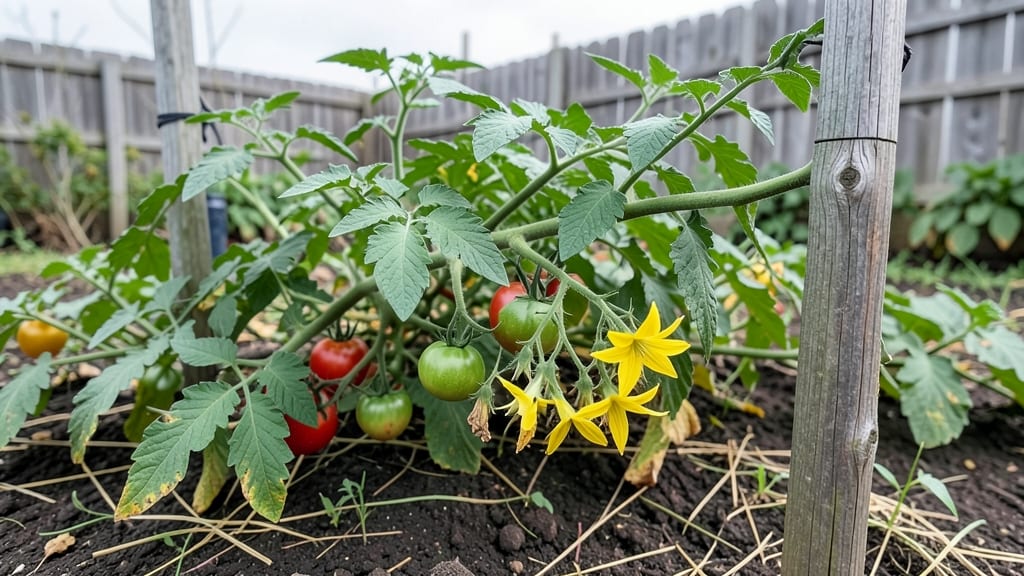
Vine tomato plants need the right support to reach their full potential, and I’ve learned the hard way that skipping the trellis means smaller fruit and more disease. 🌱 The difference between a tangled mess and a towering, productive vine comes down to how you train them—starting with the right variety and sturdy framework.
My Sungolds now climb 6 feet tall, producing more fruit than my old cage-bound plants ever did.
First, pick a variety built for climbing—like Brandywine or Cherry tomatoes—and set up your trellis before planting. Full sun (6+ hours daily) and well-draining soil are non-negotiable, but the real game-changer is consistent watering at the base (never the leaves) and a balanced fertilizer every 3-4 weeks.
The moment you see those first flowers, prune suckers aggressively to direct energy into fruit, not foliage.
By midsummer, you’ll harvest jewel-toned, vine-ripened tomatoes that outshine store-bought ones. The trellis keeps fruit clean, reduces cracking, and makes picking effortless—no more bending over or wrestling with sprawling plants. Even my black thumb can’t mess this up once the system’s in place.
Works for small patios or large gardens, and the same principles apply whether you use bamboo stakes, wire cages, or a DIY wooden trellis. Let’s get those vines climbing—and your harvest soaring!
📚 In This Guide
- What you need
- Instructions
- Tips and common mistakes
- Wrapping up and next steps
What you need
- ● Vine tomato seeds or seedlings: Choose heirloom or hybrid varieties like 'Cherokee Purple,' 'Brandywine,' or 'Sungold'—they thrive on trellises! (1-2 plants per trellis or 2-3 plants per 4' section of trellis.)
- ● Trellis system: Option 1: T-posts or stakes (5-6 ft tall) + twine or jute twine (1/8" diameter) (50-100 ft per garden).
- ● Option 2: Metal or wooden A-frame trellis (6-8 ft tall, 3-4 ft wide).
- ● Option 3: Cattle panel arches or tomato cages (reinforced) (1 per 2-3 plants).
- ● Potting mix or well-draining garden soil: Vine tomatoes love rich, organic soil with a pH of 6.0-6.8. (1-2 cubic yards for in-ground planting or 5-gallon pots per plant for containers.)
- ● Compost or balanced fertilizer (10-10-10 or 5-5-5): Mix 2-3 cups of compost or fertilizer per planting hole or container.
- ● Mulch (straw or shredded leaves): 2-3 inches to retain moisture and suppress weeds.
- ● Pruning shears or sharp scissors: For trimming suckers and shaping plants.
- ● Watering can or drip irrigation system: Vine tomatoes need consistent moisture—aim for 1-2 inches per week.
- ● Plant ties or soft garden twine: To gently secure vines to the trellis (avoid plastic ties—they can damage stems!).
- ● Suction cup plant clips: Reusable and gentle on stems for securing vines.
- ● Tomato cages with built-in trellis features: Hybrid options like "Florida Weave" cages for extra support.
- ● Soil moisture meter: To monitor watering needs—vine tomatoes hate soggy roots!
- ● Shade cloth (30-50% coverage): For hot climates to protect young plants from scorching.
- ● Epsom salt (magnesium sulfate): 1 tbsp per gallon of water monthly for lush foliage and fruit.
- ● Sunlight: Vine tomatoes need 6-8+ hours of direct sunlight daily—pick a south-facing spot!
- ● Space: Allow 18-24 inches between plants and 3-4 feet between trellises for airflow.
- ● Warm soil: Wait until nighttime temps stay above 50°F (10°C) before planting.
- ○ Companion plants (optional but fun!): Pair with basil, marigolds, or borage to deter pests and boost growth.
Step-by-Step guide to trellising vine tomato plants
Here’s how to transform sprawling vines into structured, high-yielding plants using proven trellis techniques.
🪴 Step 1: Install the Right Trellis Structure
Choose a sturdy trellis that can support 50+ pounds per plant—vine tomatoes need vertical space to thrive. I use 6-foot-tall wooden stakes spaced 3 feet apart in rows, with twine or nylon mesh stretched between them. For smaller spaces, a freestanding A-frame trellis works well, but ensure it’s at least 5 feet tall to accommodate indeterminate varieties.
Drive stakes 6 inches deep into the soil for stability, then secure the trellis material tightly. Loose supports sag under weight and break stems. Test the structure by gently shaking it—if it wobbles, add more stakes or reinforce with additional twine.
☀️ Step 2: Plant and Position for Optimal Growth
Set out your tomato plants 12-18 inches from the trellis, close enough for easy tying but far enough to avoid root competition. Dig a hole twice as wide as the root ball and mix in 1 cup of compost from your materials list to boost early growth. Place the plant so the topmost leaves sit just above soil level—this encourages strong root development.
Water deeply right after planting to settle the soil and remove the trellis supports (if used). Vine tomatoes grow 6-10 feet tall, so positioning them early saves time later. If you’re working with 4 plants, arrange them in a square formation for balanced support.
🌱 Step 3: Train Vines and Prune for Airflow
Once the plant reaches 12 inches tall, gently weave the main stem through the trellis twine or mesh, securing it with soft plant ties. Avoid metal clips—they can cut into stems as the plant thickens. Prune suckers (the small shoots that form in the leaf axils) weekly to direct energy upward. Suckers larger than 3 inches compete with fruit production.
Remove lower leaves that brush the soil to prevent disease. You’ll see new growth at the trellis level—this is your cue to adjust ties as the vine climbs. For indeterminate varieties, keep pruning suckers until late summer, when the plant focuses on ripening fruit.
✂️ Step 4: Support and Harvest for Maximum Yield
As the plant grows, tie the main stem every 10-12 inches to prevent swaying. Wind or heavy fruit can snap stems if left unsupported. I add extra twine at the top of the trellis to anchor the vine’s weight. Harvest regularly—ripe tomatoes left on the vine slow new fruit production. Twist gently to avoid damaging the stem.
By mid-season, your trellis should look like a vertical jungle of green. If vines outgrow the trellis, extend it with additional stakes tied to the original structure. This keeps the plant upright and prevents fruit from touching the ground, where rot lurks.
💧 Step 5: Maintain Through the Growing Season
Water at the base of the plant, not overhead, to keep leaves dry and reduce disease risk. Vine tomatoes need 1-1.5 inches of water weekly, delivered deeply to encourage root growth. Mulch with straw or shredded leaves to retain moisture and suppress weeds. You’ll notice healthier foliage and fewer blossom-end rot issues with consistent hydration.
Fertilize every 4-6 weeks with a balanced organic fertilizer (like 5-5-5) to support the plant’s rapid growth. Stop fertilizing 6 weeks before your first frost—this helps the plant mature fruit instead of producing new leaves.
Tips & tricks for perfect vine tomato trellising
Transforming sprawling vines into structured, high-yielding plants requires attention to detail—here’s how to avoid common pitfalls and maximize your harvest.
Stability is Everything: When installing your 6-foot-tall wooden stakes, drive them 6 inches deep and space them 3 feet apart in rows. I’ve learned the hard way that wobbly stakes lead to snapped stems when vines reach their full 6-10 feet height. Test each stake by gently shaking it before planting—if it moves, add more stakes or reinforce with additional twine. This simple check prevents costly mid-season repairs.
Pruning Precision: In Step 3, when pruning suckers weekly, focus on removing any shoots larger than 3 inches—these compete directly with fruit production. I use clean, sharp pruners to avoid damaging the main stem. For indeterminate varieties, keep pruning until late summer, but stop if you notice new growth slowing down—this signals the plant is shifting energy to fruit ripening. Timing matters: prune in the morning so wounds have daylight to heal.
Tying Technique: Use only soft plant ties when securing vines to the trellis—metal clips can cut into stems as they thicken. In Step 4, tie the main stem every 10-12 inches to prevent swaying, but leave a little slack to accommodate growth. I’ve found that adjusting ties every 2-3 weeks prevents stem damage from tightening. Pro tip: If your vines outgrow the trellis, extend it with additional stakes tied to the original structure before the plant reaches the top.
Watering Wisdom: Vine tomatoes need 1-1.5 inches of water weekly, delivered deeply at the base—not overhead—to prevent disease. I’ve noticed healthier foliage and fewer blossom-end rot issues when I water consistently. Mulch with straw or shredded leaves to retain moisture and suppress weeds, which reduces competition for nutrients. The key is patience: let the top inch of soil dry between waterings to encourage deep root growth.
Pro Tips for Vine Tomato Plants
- Transforming sprawling vines into structured, high-yielding plants requires attention to detail—here’s how to avoid common pitfalls and maximize your harvest.
- Stability is Everything: When installing your 6-foot-tall wooden stakes, drive them 6 inches deep and space them 3 feet apart in rows.
- Pruning Precision: In Step 3, when pruning suckers weekly, focus on removing any shoots larger than 3 inches—these compete directly with fruit production.
Frequently asked questions
How do I know when to start trellising my vine tomato plants?
Start trellising when your plants reach 12–18 inches tall and have a few sets of true leaves. This is usually 2–3 weeks after transplanting or when the main stem is sturdy enough to support weight. Early trellising prevents sprawling and encourages upward growth, leading to bigger, cleaner fruit and better air circulation.
Can I grow vine tomatoes in containers? What’s the best setup?
Vine tomatoes thrive in containers as long as the pot is at least 12–18 inches deep and wide with drainage holes. Use a lightweight trellis or tomato cage inside the container to support the plant. Opt for determinate varieties (like ‘Sweet Million’) if space is tight—they’re naturally bushier. For indeterminate types (like ‘Sungold’), prune aggressively to control sprawl.
My vine tomatoes are wilting or turning yellow—what’s wrong?
Yellowing leaves or wilting often signal overwatering, underwatering, or disease. Check the soil moisture—it should stay consistently damp but not soggy. Yellowing on lower leaves? It might be blight or nutrient deficiency (add compost or a balanced fertilizer). Wilting in heat? Provide afternoon shade and mulch to retain moisture. Pro tip: Avoid wetting foliage when watering to prevent fungal issues.
Do I need to prune vine tomatoes? How much can I cut back?
Pruning is highly recommended for vine tomatoes! Remove suckers (side shoots) regularly—these grow in the leaf axils and drain energy from fruit production. Leave 1–2 main stems (or 3 for heavy producers) and prune back 1/3 of the plant early in the season to encourage bushier growth. Stop heavy pruning 4–6 weeks before harvest to let the plant focus on ripening fruit.
What’s the best way to keep pests off my trellised tomato plants?
Pests like hornworms, aphids, and whiteflies love vine tomatoes. Start with preventative measures:
- Neem oil spray (weekly preventative)
- Row covers early in the season
- Beneficial insects (ladybugs, lacewings)
- Handpick pests (especially hornworms!) in the morning
Wrapping up and next steps
Growing vine tomato plants on a trellis isn’t just a clever space-saving trick—it’s your ticket to bigger, sweeter, and healthier harvests! 🌱 With the right setup, you’ll enjoy fewer diseases, better airflow, and tomatoes that practically beg to be picked.
Whether you’re a seasoned gardener or just starting out, this method makes success feel effortless.
Ready to transform your garden? Start small—pick one trellis, try a few varieties, and watch your confidence (and tomatoes!) grow. Before you know it, you’ll be sharing jars of sun-ripened sauce or baskets of vine-ripened beauties with neighbors. Happy planting—your future self (and taste buds) will thank you! 🍅✨