
Pruning
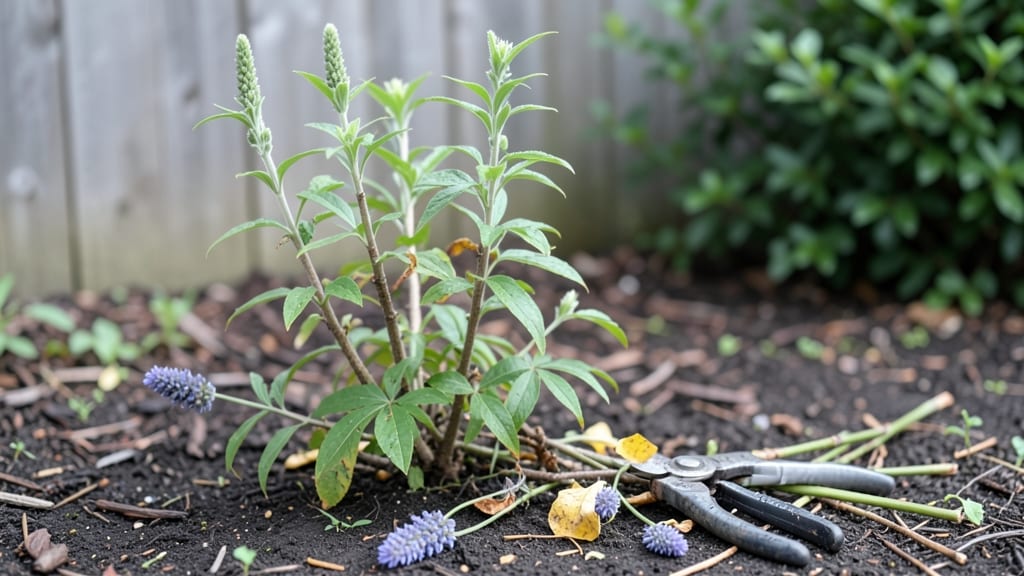
Pruning vitex plants transforms them from scraggly shrubs into year-round flowering powerhouses—and I’ve perfected the method after years of trial and error. The key isn’t just cutting branches; it’s understanding when, how, and why to shape this tough, drought-resistant shrub for maximum blooms.
My first attempt left it looking like a windswept mess, but now it’s the star of my summer garden, covered in lavender-blue flowers from June to frost.
You’ll need just three tools: sharp pruning shears, loppers for thicker stems, and gloves (trust me, vitex thorns are no joke). The best time to prune is late winter or early spring, right before new growth starts—this encourages fresh, vibrant shoots that’ll produce flowers all season.
If you’re rejuvenating an overgrown plant, spread cuts over two years to avoid shock. The goal? Open the center up to sunlight and air, which is where those blooms love to party.
After pruning, you’ll see thick, glossy new growth within weeks, and by midsummer, your vitex will be a nonstop floral show. The flowers attract pollinators like crazy, and the plant itself becomes denser, healthier, and way easier to manage.
Plus, proper pruning keeps diseases at bay—no more black spots or wilted stems ruining the look. It’s the difference between a shrub that just exists and one that wows every season.
Works for both young plants and mature shrubs, in full sun or partial shade—just adjust the timing slightly for cooler climates. Here’s how to do it right the first time, without the guesswork. Let’s get those shears ready!
📚 In This Guide
- What you need
- Instructions
- Tips and common mistakes
- Wrapping up and next steps
What you need
- ● Pruning shears (bypass or anvil type) – Choose sharp, clean shears (4-6 inch blades) to make precise cuts without crushing stems. Disinfect with rubbing alcohol before and after use to prevent disease spread.
- ● Loppers (for thicker branches) – Opt for 8-10 inch loppers with a bypass blade for branches ½ to 1.5 inches thick.
- ● Hand pruners (for fine adjustments) – 3-5 inch blades for trimming small stems and shaping.
- ● Gloves (cut-resistant or gardening gloves) – Protect your hands from thorns and rough bark.
- ● Disposable pruning bags or bucket – Collect pruned branches for composting or disposal.
- ● Rubbing alcohol (70% isopropyl) or bleach solution – For sterilizing tools between cuts.
- ○ Marking twine or tape – Helps identify branches to remove (optional but helpful for complex pruning).
- ● Extension pole pruners – For high branches (if your Vitex is mature and tall!).
- ● Hose or spray bottle with water – Keeps cuts clean and reduces sap splatter.
- ● Pruning sealant – Apply to large cuts (>1 inch) to prevent disease (e.g., tree wound paint).
- ● Notebook & pen – Jot down notes on pruning decisions for future reference.
- ● Safety glasses – Protects eyes from debris, especially when working with loppers.
Instructions for pruning vitex to encourage lush, continuous flowering
Here's how to shape your vitex for maximum blooms—no guesswork, just proven timing and technique.
Prune After First Frost or Late Winter Dormancy
Vitex thrives when pruned during its dormant phase, which occurs after the first hard frost or in late winter before new growth begins. This timing ensures you're cutting back when the plant is naturally resting, reducing stress and encouraging vigorous spring regrowth. Grab your pruners and remove up to one-third of the plant's height, cutting just above a leaf node or outward-facing bud. I always start with the oldest, leggiest stems first—they've already produced flowers and can be sacrificed for the plant's long-term health.
Focus on opening the plant's center by thinning out crowded branches. You'll see dense clusters of stems competing for light; these are prime candidates for removal. Leave about 6-8 strong, healthy stems as your framework. This structure allows sunlight and air to circulate freely, which prevents fungal diseases and promotes more blooms. Avoid cutting into old wood—vitex has a hard time regenerating from severely pruned mature stems, so prioritize younger growth.
Lightly Trim After Each Major Flowering Cycle
Vitex blooms in waves, typically three times per season. After each flush of flowers fades, give your plant a light maintenance trim to encourage another round of blooms. Use sharp pruners to cut back spent flower clusters to just above the next set of leaves or lateral buds. This practice, called deadheading, signals the plant to redirect its energy into producing new flowers rather than setting seed. I like to do this on a dry, sunny morning when the plant is fully hydrated—it recovers faster and the cuts heal cleaner.
Pay attention to the plant's overall shape. If any branches are growing inward or rubbing against others, trim them back to maintain an open, airy structure. You'll notice new growth emerging from the sides of the cuts within 2-3 weeks—this is your cue that the pruning is working. Avoid over-trimming here; the goal is to shape, not to drastically reduce the plant's size. A light touch keeps vitex blooming prolifically without sacrificing its natural form.
Shape and Renew in Early Summer for Fall Blooms
In early summer, after the second major flowering cycle, it's time to refine the plant's shape and encourage one final burst of blooms before winter. This is when you can get creative with your pruning—vitex responds well to shaping, so trim any branches that are growing in directions you don't like or that disrupt the plant's natural form. Cut back any overly long or leggy stems by about one-third, always making your cuts just above a leaf node or outward-facing bud.
This is also the time to remove any dead, diseased, or crossing branches. You'll see these easily—they're often brown, brittle, or growing into the center of the plant. By keeping the plant open and well-ventilated, you're setting it up for a strong final flowering cycle in late summer or early fall. Water the plant deeply after pruning to help it recover and encourage new growth. With this final trim, your vitex will enter its dormant phase ready to burst into color again next spring.
Tips & tricks for pruning vitex to encourage lush, continuous flowering
Mastering the art of pruning vitex transforms it from a one-season wonder into a year-round blooming star—here's how to get it right.
Timing is Everything: The dormant phase after first frost or late winter is non-negotiable for Step 1. Cold temperatures slow the plant's metabolism, making it far more resilient to pruning. I've seen vitex bounce back spectacularly when pruned at this time, while spring pruning often leads to stressed plants that struggle to recover. If you miss this window, wait until early summer for Step 3—never prune during active growth periods when the plant is already pushing new leaves.
Tool Selection Matters: Never use dull pruners for vitex—they crush stems and create jagged cuts that invite disease. Invest in sharp, bypass pruners for clean cuts that heal quickly. For thicker stems in Step 1, use loppers with a 6-inch cutting head to reach deep into the plant's center. I always sterilize my tools with rubbing alcohol between cuts to prevent spreading any potential pathogens hidden in the plant's dense foliage.
Visual Cues for Pruning: In Step 2, look for these telltale signs: spent flower clusters will appear brown and papery, while new buds form as small, tight clusters at the stem junctions. When you see these new buds, you know you've cut at the perfect spot—just above them. For Step 3 shaping, imagine your vitex as a natural vase form—tapered at the bottom with wider branches at the top. This open structure prevents the classic "mop-head" look that blocks sunlight from reaching the center.
Recovery Care: After any significant pruning (especially Step 1), give your vitex a recovery boost by applying a balanced, slow-release fertilizer around the base. This helps compensate for the temporary setback while new growth establishes. I've found that mulching with 2-3 inches of organic matter also helps retain moisture during the critical first 2-3 weeks after pruning, when roots are still adjusting to the reduced foliage.
Pro Tips for Vitex Plant Pruning
- Mastering the art of pruning vitex transforms it from a one-season wonder into a year-round blooming star—here's how to get it right.
- Timing is Everything: The dormant phase after first frost or late winter is non-negotiable for Step 1.
- Tool Selection Matters: Never use dull pruners for vitex—they crush stems and create jagged cuts that invite disease.
Frequently asked questions
Got questions about keeping your vitex plant thriving with the perfect prune? Here are the answers to the most common ones—so you can enjoy those stunning blooms all year long!
When is the best time to prune vitex for maximum blooms?
The ideal time to prune vitex is late winter or early spring, just before new growth begins. This encourages lush, healthy foliage and vibrant flowers. A light trim after blooming (summer) can also help maintain shape, but avoid heavy cuts then—it may reduce next year’s flowers.
How much should I cut back my vitex plant?
For mature vitex, reduce branches by 1/3 to 1/2 during late winter pruning. Focus on dead, diseased, or crossing branches first. Younger plants benefit from shaping cuts to encourage bushiness. Never cut into old wood—vitex blooms on new growth, so avoid over-pruning!
What if I skip pruning my vitex entirely?
Skipping pruning won’t kill your vitex, but it may lead to overcrowded growth, fewer flowers, and a messy shape. Without regular trims, branches can become woody and leggy, reducing airflow and increasing pest risks. Think of pruning as a reset button for healthier, more vibrant plants!
Can I prune vitex in fall or winter?
While late winter (before buds swell) is best, you can do a light pruning in fall to remove dead wood or shape the plant. Avoid heavy cuts in deep winter—dormant plants are less resilient. If you must prune in cold months, wait until temperatures rise slightly to prevent stress.
What if my vitex isn’t blooming after pruning?
If your vitex skips blooms, check these fixes:
- Pruned too late? Blooms form on new growth—cut back in late winter/early spring.
- Not enough sun? Vitex needs 6+ hours of sunlight daily.
- Over-fertilized with nitrogen? Switch to a balanced bloom booster.
- Old wood? Prune back to younger, green stems for fresh growth.
Wrapping up and next steps
Pruning your vitex plant doesn’t have to be intimidating—with the right timing, tools, and techniques, you’ll enjoy year-round blooms that brighten up your garden! 🌸 Remember, the key is to prune lightly in early spring, shape in late winter, and clean up after flowering to keep your plant healthy and thriving.
Now that you’re armed with these tips, grab your shears and give your vitex the care it deserves—your future blooms will thank you!
Ready to take the next step? Mark your calendar for your first pruning session and watch your vitex flourish! 🌿