
Watering
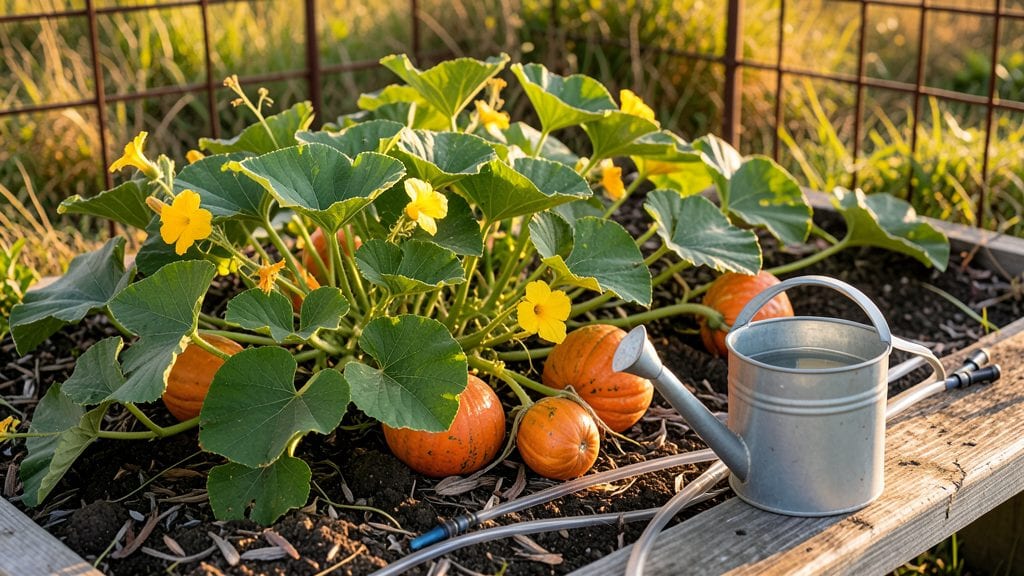
Watering pumpkin plants correctly is the secret to growing 🎃 that weigh more than your grocery bags—because even the hardiest vines can’t survive on guesswork.
Pumpkin vines sprawl like thirsty giants—neglect their hydration, and you’ll watch your harvest wither before it ripens. But master the art of watering, and you’ll unlock sweet, plump pumpkins that outshine the competition.
Here’s the truth: pumpkins need deep, consistent moisture—not just a quick splash at the base. Too little water, and the vines dry out; too much, and you risk rot. I’ll show you how to strike the perfect balance, from seedlings to harvest-ready gourds.
You’ll learn the exact watering schedule by season, the best times to water, and how to spot when your pumpkins are thirsty (or drowning). No more wasted effort—just bigger, healthier pumpkins every time.
How often to water pumpkin plants for maximum growth
Pumpkins demand consistent moisture to thrive, but over- or under-watering can spell disaster for your harvest. The key lies in understanding their growth stages—seedlings, flowering, and fruiting—each with unique hydration needs.
I’ve grown pumpkins in clay-heavy soil and sandy loam, and I can tell you: soil type and local climate dictate how often you should water.
For example, my standard pumpkin vines in Zone 6a need deep watering every 2-3 days during summer’s peak heat, while dwarf varieties in well-draining soil can stretch watering to every 4-5 days.
The trick? Check soil moisture 2 inches below the surface—if it’s dry, it’s time to water. If it’s still damp, wait another day.
Here’s the breakdown you need to avoid wilting vines or blossom-end rot in your pumpkins:
| Growth Stage | Watering Frequency | Soil Moisture Goal | Climate Adjustments |
|---|---|---|---|
| Seedlings (0-3 weeks) | Every 2-3 days | Keep top 1 inch moist | Increase frequency in heatwaves |
| Vining (3-6 weeks) | Every 3-4 days | 2-3 inches deep moisture | Reduce in humid climates |
| Flowering (6-10 weeks) | Every 2-3 days | Consistent 3-inch depth | Critical for pollination |
| Fruiting (10+ weeks) | Every 1-2 days (summer) | Deep soak (4+ inches) | Drought stress = cracked fruit |
💧 Pro Tip: Use a moisture meter for precision—no more guesswork!
During the seedling stage, young pumpkin plants need gentle but frequent watering to establish roots. I’ve seen seedlings collapse when their soil dries out—so water lightly every 2-3 days, ensuring the top inch stays moist.
Avoid wetting the leaves to prevent fungal diseases like powdery mildew, which thrives in damp foliage.
As vines spread and male flowers appear, increase watering to every 3-4 days. This stage is critical for pollination success—stressed plants produce fewer flowers. I once grew ‘Jack Be Little’ pumpkins and noticed dropped blossoms when I skipped watering during a heatwave.
A quick deep soak revived them within 24 hours.
When fruit sets, your watering game changes dramatically. Pumpkins need 1-2 gallons of water per plant every 1-2 days in summer, especially in sandy soil where moisture drains fast.
I use a soaker hose to deliver water directly to the roots, reducing evaporation. Morning watering is non-negotiable—it prevents blossom-end rot and powdery mildew by allowing foliage to dry quickly.
Soil type plays a huge role. In clay soil, water penetrates slowly, so I space waterings 2-3 days apart to avoid waterlogging. In sandy soil, I water daily during heatwaves to prevent root desiccation. Always mulch with straw or shredded leaves to retain moisture and suppress weeds—this alone can reduce watering needs by 30%.
Don’t ignore weather patterns. After a heavy rain, skip watering for 2-3 days and let the soil dry slightly between sessions. In drought conditions, increase frequency to daily and monitor for wilting leaves or yellowing vines—early signs of hydration stress.
I’ve saved pumpkin plants from permanent damage by adjusting my schedule based on weekly forecasts.
One common mistake? Watering only the surface. Pumpkin roots grow deep, so aim for 4-6 inches of moisture per watering session.
Use your finger to test—if the soil feels dry past 2 inches, it’s time to water. Drip irrigation is my go-to method for large patches, as it delivers consistent, deep hydration without wetting leaves.
Finally, reduce watering as pumpkins near maturity. Once the vine starts yellowing (usually 4-6 weeks before frost), taper off to every 5-7 days. This helps sweeten the fruit and prepares it for harvest. I’ve harvested sweeter, denser pumpkins by following this rule—proof that watering isn’t one-size-fits-all.
Common watering mistakes that kill pumpkin yields (and how to fix them)
Pumpkins crave consistent moisture, but even small watering errors can trigger blossom-end rot or stunted growth. I’ve watched healthy vines collapse from overwatering and underwatering—both are silent harvest killers. The key? Precision. Let’s fix these mistakes before they ruin your fall harvest.
Most gardeners assume more water equals better growth, but pumpkins hate soggy roots. Overwatering suffocates roots, inviting powdery mildew and root rot. Worse, uneven moisture causes fruit cracks and bitter-tasting pumpkins. Even worse? Skipping water during fruit set leads to small, deformed pumpkins.
⚠️ Watering Pumpkins Wrong Can Ruin Your Harvest
- Overwatering: Causes root rot and fungus—check soil 2 inches down before watering.
- Inconsistent watering: Leads to cracked fruit—keep soil evenly moist, not dry then soaked.
- Watering at night: Promotes disease—always water early morning for fast evaporation.
🌱 Fix it: Use a moisture meter and water deeply 1-2x/week in dry climates.
Your first mistake might be watering on a schedule instead of checking soil moisture. Pumpkins need 1-2 inches of water weekly, but clay soil holds moisture longer than sandy soil.
Stick your finger 2 inches deep—if it’s dry, water; if damp, wait. Ignoring this leads to wilting vines or mushy stems.
Another killer? Surface watering that never reaches the roots. A quick sprinkle from a hose dries out topsoil while roots stay thirsty. Instead, water at the base for 10-15 minutes to encourage deep root growth. Pro tip: Use a soaker hose to deliver water slowly without runoff.
Watch for early warning signs like yellowing leaves or drooping vines—these scream hydration stress. But don’t overreact! Morning wilting from heat is normal, but evening wilting means roots are drowning. Adjust your routine: deep watering every 3-5 days beats daily shallow drinks.
For large pumpkin varieties, like Atlantic Giants, mulch heavily to lock in moisture. Straw or wood chips reduce evaporation by 30%. Pair this with drip irrigation for consistent pressure—no more guesswork! And if your pumpkins start cracking, reduce water slightly to slow growth while they harden.
Remember: Pumpkins hate extremes. Aim for even moisture, deep watering, and early-day hydration. Master these, and your vines will reward you with monster pumpkins instead of sad, shriveled failures. 🎃