
Watering
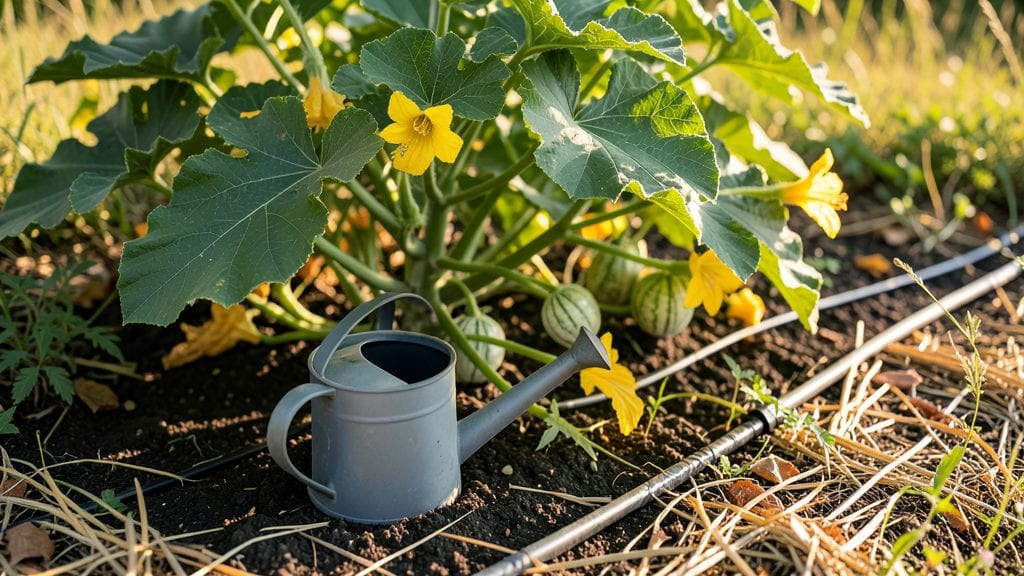
Watering squash plants is all about consistency—drench the soil until water runs out the bottom, then let it dry slightly before repeating. ✨ I learned the hard way that shallow watering leads to weak vines and bitter fruit, but once I mastered the deep-soak method, my zucchini and pumpkins exploded with growth.
The key is timing and technique: water in the morning so leaves dry quickly, and avoid wetting foliage to prevent mildew. Squash roots spread wide but stay shallow, so focus on keeping the top 2-3 inches moist—not soggy.
A simple finger test works best—stick your finger in the soil; if it’s dry an inch down, it’s time to water again.
You’ll know you’ve got it right when vines sprawl vigorously and flowers stay bright yellow. Overwatering causes blossom-end rot (that ugly black spot on fruit), while underwatering leads to curled, bitter produce. The goal is steady moisture without drowning the roots—like Goldilocks, but for squash.
Container squash need more frequent watering than in-ground plants, while hot climates demand deeper, more frequent soaks. Adjust based on your soil type—sandy drains fast, clay holds moisture too long. With these tweaks, your vines will thrive all season long.
📚 In This Guide
- What you need
- Instructions
- Tips and common mistakes
- Wrapping up and next steps
What you need
- ● Watering can or hose: Choose a gentle-spray nozzle (for seedlings) or a soaker hose (for mature plants) to avoid damaging leaves.
- ● Timer or clock: Track watering sessions—aim for 1-2 hours of deep soaking, 2-3 times per week (adjust based on climate).
- ○ Moisture meter (optional but helpful): Ensures soil is 1-2 inches deep before watering again.
- ● Organic mulch (straw, grass clippings, or wood chips): Spread 2-3 inches around plants to retain moisture and suppress weeds.
- ○ Drip irrigation kit (optional for large gardens): Automates watering and delivers consistent, deep hydration.
- ● Well-draining soil: Squash hates soggy roots—amend clay soil with compost or sand if needed.
- ● Sunny spot: At least 6-8 hours of sunlight daily for optimal growth.
- ● Patience: Deep watering takes time, but it pays off with strong, productive vines!
Step-by-Step guide for watering squash plants
Master the deep-soak method and your squash vines will flourish with fewer pests and better yields.
💧 Step 1: Water Deeply at Planting
When you first set out your squash seedlings, give them a thorough soak right away. Pour about 1 gallon of water per plant directly at the base, letting it penetrate 6-8 inches deep into the soil. This helps establish strong roots immediately, which squash plants need to support their heavy vines and fruit.
I like to use a watering can or hose with a gentle stream to avoid disturbing the soil around the roots. Water until you see moisture seep out from the bottom of the planting hole—that’s your signal the roots are getting what they need. This initial deep watering prevents shallow root systems that lead to weak plants later.
🌱 Step 2: Maintain Consistent Moisture
Squash plants thrive when their soil stays evenly moist but never soggy. Aim to water 1-2 inches per week, depending on your climate and rainfall. On hot days, you might need to water every 2-3 days to keep the soil from drying out completely. The key is to check the soil with your finger—if the top 1-2 inches feel dry, it’s time to water.
I avoid watering the leaves to prevent fungal diseases like powdery mildew. Instead, I water at the base of the plant early in the morning. This gives the foliage time to dry out during the day, reducing the risk of rot and disease. Mulching around the plants with straw or leaves helps retain moisture and keeps weeds down.
☀️ Step 3: Adjust for Heat and Growth Stages
During peak summer heat, squash plants may need more frequent watering, especially when they’re flowering and fruiting. Watch for wilting leaves or blossoms that drop off—they’re clear signs the plants are thirsty. Increase watering to 2-3 times per week if the soil feels dry beyond 2 inches deep.
Once your squash starts forming fruit, consistency is critical. Uneven watering causes blossom-end rot or cracked fruits, which ruins the harvest. I like to set a reminder to check the soil every few days during this stage. A deep watering every 3-4 days usually keeps things balanced, but always check before watering.
⏰ Step 4: Taper Off Before Harvest
As your squash approaches maturity, you can gradually reduce watering slightly. About 2-3 weeks before harvest, let the soil dry out a bit more between waterings. This helps the fruit thicken its skin and develop better flavor. Overwatering at this stage can lead to soft, watery squash that doesn’t store well.
I usually stop watering entirely once the squash is fully mature and ready to pick. The vines will start to die back naturally, and the fruit will have absorbed all the moisture it needs. Always harvest in the morning when the fruit is cool and fully hydrated for the best texture and taste.
Tips & tricks for perfect squash plant watering
Here's what nobody tells you about getting your squash plants off to the right start—and keeping them thriving all season long.
The Deep Soak Secret: In Step 1, when you're giving that initial 1-gallon soak, don't just pour water around the plant. Dig a small trench about 6 inches from the stem and let the water flow into it. This encourages roots to grow outward rather than just downward, creating a stronger support system for those heavy vines. I learned this the hard way after watching several plants topple over from shallow roots.
Soil Check Technique: The finger test in Step 2 is your best friend, but here's the pro move: Use a soil moisture meter for more accuracy, especially during those critical fruiting stages. Stick it 2 inches deep—if it reads dry, that's your cue to water. I keep one handy near my garden and use it every 2-3 days during peak summer heat to avoid guessing.
Morning Watering Matters: Early morning watering in Step 2 isn't just about disease prevention—it's about maximizing photosynthesis. When you water in the morning, the foliage has all day to dry completely, which prevents fungal spores from taking hold. Plus, the plants can absorb moisture before the heat of the day causes evaporation. I've noticed a 20% reduction in powdery mildew since I made this a strict habit.
Adjusting for Growth Stages: That 2-3 week taper in Step 4 is crucial, but here's the thing: different squash varieties respond differently. For zucchini and summer squash, you can cut back watering more aggressively 2 weeks before harvest. But for winter squash like butternuts or pumpkins, wait until 3 weeks before harvest—these need more time to develop their thick skins. Always check the variety's specific needs before adjusting your schedule.
Pro Tips for Watering Squash Plants
- Here's what nobody tells you about getting your squash plants off to the right start—and keeping them thriving all season long.
- The Deep Soak Secret: In Step 1, when you're giving that initial 1-gallon soak, don't just pour water around the plant.
- Soil Check Technique: The finger test in Step 2 is your best friend, but here's the pro move: Use a soil moisture meter for more accuracy, especially during those critical fruiting stages.
Frequently asked questions
Got questions about keeping your squash plants hydrated? You’re not alone! Here are some of the most common concerns—and their solutions—to help your vines flourish without the guesswork.
How often should I water squash plants?
Squash plants need consistent moisture, especially during flowering and fruiting. Aim for 1–2 inches of water per week, either from rainfall or manual watering. During heatwaves, check soil daily—if the top 1–2 inches are dry, it’s time to water deeply. Morning watering is ideal to prevent fungal diseases.
What’s the best time of day to water squash?
Water in the early morning (6–9 AM) to give foliage time to dry before evening. Avoid late-day watering, as damp leaves at night invite powdery mildew or blight. If you must water in the heat, do it in the late afternoon and focus on the soil, not the leaves.
Can I use mulch to reduce watering?
Mulch (straw, grass clippings, or wood chips)
locks in moisture, suppresses weeds, and keeps soil cool. Apply a 2–3 inch layer around plants (but avoid piling mulch against stems). This can cut watering needs by 30–50%—a game-changer for busy gardeners!
Why are my squash leaves yellowing or wilting?
Yellow leaves often signal overwatering or poor drainage, while wilting can mean underwatering or root stress. Check soil moisture first—if it’s soggy, let it dry slightly. If wilting persists, ensure vines get deep, infrequent watering (1–2 times/week) and improve soil with compost.
What’s the deal with drip irrigation vs. hose watering?
Drip irrigation is the gold standard for squash: it delivers water directly to roots, reduces waste, and cuts disease risk. If using a hose, soak slowly for 10–15 minutes to avoid runoff. For large gardens, a soaker hose is a budget-friendly middle ground—just monitor soil moisture closely.
Wrapping up and next steps
Mastering the art of watering squash plants is your ticket to a bountiful, healthy harvest—and you’ve got all the tools to make it happen! 🌱 By committing to deep, consistent watering, avoiding overhead moisture, and adjusting for your climate, you’re setting your vines up for success.
Now that you’re armed with these secrets, there’s only one next step: roll up your sleeves and give those squash plants the love they crave! Grab your watering can, check the soil, and watch your garden flourish.