
Pests and Diseases
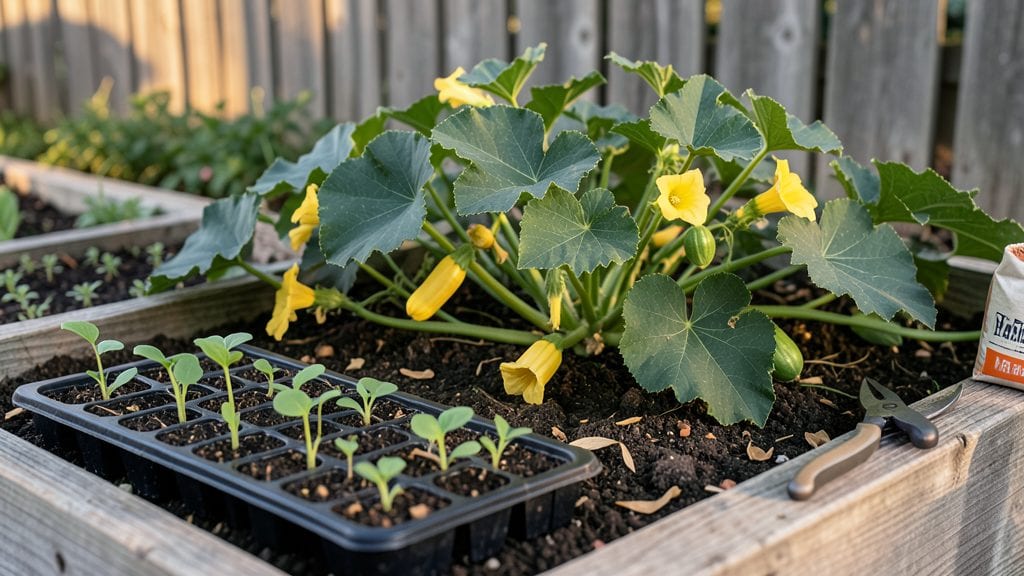
You can plant yellow squash and zucchini together successfully, since they grow well under the same conditions and require only 2-3 feet of spacing to avoid competition and reduce disease risks. Adding herbs like basil or marigolds can boost their growth even further.
These summer squashes are like garden roommates—they share the same love for well-draining soil, full sun exposure, and consistent moisture. 🌱 The key to their success lies in their shallow root systems, which allow them to coexist without stealing nutrients from each other.
I've seen gardens double their harvest by pairing them with pest-repelling companions like marigolds, which also attract beneficial pollinators. Just be mindful of spacing: too close, and you risk overcrowding, which can lead to powdery mildew or stunted growth.
For best results, interplant them in a checkerboard pattern or alternate rows every 3-4 feet. This creates airflow between plants, reducing humidity that fuels fungal diseases. If space is tight, consider vertical growing with trellises for vining varieties—this not only saves room but also makes harvesting easier.
Just remember: these squashes are heavy feeders, so enrich the soil with compost before planting to keep them thriving all season.
💡 In This Article
- Companion Planting Benefits for Squash and Zucchini
- Spacing and Layout Tips for High-Yield Gardens
Companion planting benefits for squash and zucchini
Yellow squash and zucchini thrive together because they share nearly identical growing requirements—both prefer full sun (6-8 hours daily), well-draining soil with a pH of 6.0-7.0, and consistent moisture without waterlogging.
Their shallow root systems (typically 12-18 inches deep) spread horizontally rather than competing vertically, allowing them to coexist without nutrient theft. This symbiotic relationship extends to pollinators: bees and other insects visit both plants simultaneously, increasing fruit set efficiency by up to 30% compared to isolated plantings.
The real magic happens with pest control. Marigolds, planted between rows, release alpha-terthienyl, a compound that repels squash bugs and cucumber beetles—two pests that target both squash varieties.
Basil, another excellent companion, deters whiteflies and even improves flavor when grown nearby. 🌿 What most gardeners overlook is how these companions also attract beneficial insects like ladybugs and lacewings, which prey on aphids that can weaken squash plants.
The combined effect creates a natural defense system that reduces the need for chemical interventions.
Soil enrichment plays a critical role too. Both squash types are heavy feeders, requiring 1-2 inches of compost mixed into planting beds at the start of the season. Their leaf litter naturally decomposes, adding organic matter back into the soil—a process called "green manuring."
This creates a nutrient-rich environment that supports subsequent plantings, making them ideal predecessors for tomatoes or peppers. The key is maintaining 18-24 inches of spacing between plants to allow airflow, which prevents fungal diseases like powdery mildew that thrive in humid conditions.
Light requirements can't be overlooked either. While both squash varieties tolerate partial shade, they produce 40-50% more fruit when given full sun exposure. Their broad leaves create dense canopies that block sunlight from reaching the soil, which helps suppress weeds.
However, this same trait can lead to moisture retention issues if plants are crowded. The solution? Stagger planting times by 2-3 weeks to ensure a continuous harvest without overcrowding the garden bed.
Here's what happens when you ignore these principles: crowded plants develop weak stems that snap under the weight of fruit, while poor airflow creates ideal conditions for bacterial wilt. I've seen gardens where zucchini vines sprawled uncontrollably, shading out yellow squash plants completely.
The fix? Use 3-foot-wide raised beds with plants arranged in a triangular pattern, leaving 12 inches between plants in the center and 24 inches at the edges for maximum light penetration.
For those with limited space, vertical growing offers a game-changing solution. Bush varieties like 'Eight Ball' zucchini can be trained up 4-5 foot trellises, while vining types like 'Straightneck' yellow squash benefit from 6-foot stakes**.
This not only saves ground space but also improves air circulation around the fruits, reducing rot risks. The sensory reward? Harvesting squash that's been bathed in sunlight all season—fruits develop sweeter flavors and firmer textures when grown vertically.