Planting
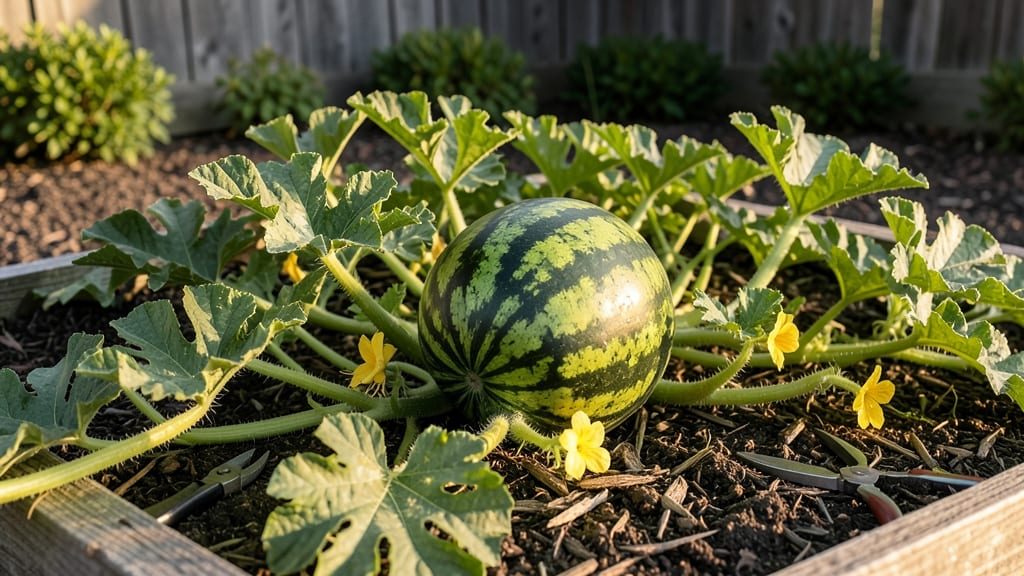
Understanding the watermelon plant size is the first step to avoiding a garden takeover by rampaging vines 🍉 — because those sprawling babies don’t just stop at your raised bed.
Picture this: You plant three seeds in a corner, and by July, your entire backyard looks like a tangled green highway. That’s why spacing isn’t just about aesthetics—it’s about whether your melons will thrive or fight for every drop of water and inch of sunlight.
From compact bush varieties that stay under 5 feet to sprawling vines stretching 10 feet or more, the right setup makes all the difference. Below, I’ll break down how to choose the perfect spot, whether you’ve got acres or just a balcony.
You’ll learn the exact spacing rules, how to trellis without sacrificing yield, and which varieties play nice in tight spaces—so you can enjoy those sweet, juicy slices without the vine wars.
How big do watermelon plants grow? Vine length and space requirements
Watermelon plants are famous for their sprawling vines, which can stretch dramatically depending on the variety. On average, most watermelon vines grow between 6 to 20 feet long, while the plant itself stays relatively low—typically just 1 to 2 feet tall.
This sprawling habit means they need plenty of horizontal space to thrive, especially if you're growing traditional vining types like 'Crimson Sweet' or 'Charleston Gray'. Understanding these dimensions is key to planning your garden layout and avoiding overcrowding.
One of the biggest mistakes gardeners make is underestimating how much room watermelon plants need. If you cram them too closely, you’ll end up with poor air circulation, which invites diseases like powdery mildew, and fruits that struggle to ripen properly.
The good news? Not all watermelons are created equal—some varieties are much more compact, making them ideal for smaller gardens or containers. Let’s break down the differences so you can choose the perfect fit for your space.
🌱 comparison-table
Variety Type
Vine Length
Plant Height
Spacing Needs
Best For
Bush Varieties
3–5 feet
1–1.5 feet
18–24 inches apart
Containers, small gardens
'Sugar Baby'
4–6 feet
1 foot
24–30 inches apart
Urban gardens, trellises
Semi-Dwarf Varieties
5–7 feet
1–1.5 feet
24–36 inches apart
Balconies, raised beds
'Crimson Sweet'
10–20 feet
1–2 feet
36–48 inches apart
Large gardens, trellises
Standard Vining Varieties
12–20 feet
1–2 feet
36–48 inches apart
Traditional in-ground gardens
If you’re working with a small garden or containers, bush varieties like 'Sugar Baby' or 'Black Diamond' are your best bet. These compact types stay under 5 feet long and can even thrive in 5-gallon buckets with proper care. For larger spaces, traditional vining varieties like 'Crimson Sweet' or 'Jubilee' will reward you with bigger fruits—but they’ll need plenty of room to stretch out. Always check the seed packet for specific spacing recommendations, as some heirloom varieties can exceed 20 feet.
Proper spacing isn’t just about vine length—it’s also about leaf spread and root depth. Watermelon leaves can grow up to 2 feet wide, and roots spread 3–4 feet deep in search of water and nutrients.
This means you’ll need to space plants at least 18 inches apart in all directions, with rows 5–7 feet apart to prevent competition. If you’re growing in rows, consider planting in a hill system (mounds of soil) to improve drainage and airflow, which reduces disease risk.
For vertical gardening, trellising is a game-changer. Vining varieties like 'Blacktail Mountain' or 'Tasty Bite' can be trained upward, saving space while still producing large fruits. Use a sturdy trellis or fence, and be prepared to prune side shoots to direct energy toward fruit production.
Just remember: even with trellising, you’ll still need to account for the plant’s root zone and leaf spread on the ground to avoid shading out nearby plants.
One common mistake is assuming that more plants = more melons. In reality, overcrowding leads to smaller fruits, poor pollination, and increased pests. If you’re short on space, opt for fewer plants with higher yields per vine, like 'Sugar Baby' or '
Best spacing for watermelon plants: maximizing yield without overcrowding
Watermelon vines are notorious for their aggressive sprawl, but proper spacing transforms chaos into a productive garden. The key lies in balancing vine length (6–20 feet) with fruit development—crowded plants compete for nutrients, leading to smaller melons and disease.
Whether you have a sprawling backyard or a tiny balcony, these strategies will help you optimize space without sacrificing yield.
For traditional vine varieties like 'Crimson Sweet,' aim for 36 inches between plants and 5–7 feet between rows. Compact varieties like 'Sugar Baby' can handle 18–24 inches apart, making them ideal for small gardens or containers.
The trick is matching your garden setup to the plant’s growth habit—more on that below.
🌱 styled-list:
- In-Ground Gardens: 36" apart for vines, 18" for bush types; rows 5–7 ft apart
- Containers: 1–2 plants per 5-gallon pot; use dwarf varieties like 'Tiny Tim'
- Vertical Trellises: Train vines upward; space 24" apart; prune side shoots
- Companion Planting: Pair with corn/squash (3-ft spacing); avoid competing plants
- Urban Gardens: Use raised beds; stagger plants in 12" increments for high density
If you’re working with limited space, consider high-density planting techniques like the corn/watermelon/squash trio, where vines intertwine naturally. Plant corn every 12 inches, watermelons at the base, and squash in between—their large leaves shade the soil, reducing weeds.
For urban gardeners, raised beds or vertical trellises can save space while improving airflow and reducing disease risk.
Watch for signs of overcrowding like yellowing leaves, poor fruit set, or vines twisting unnaturally. These red flags mean your plants are fighting for resources. Thin out seedlings early to maintain spacing, and prune excess vines to redirect energy to fruit production.
Mulch heavily (3–4 inches) to retain moisture and suppress weeds that compete with watermelon roots.
Pro tip: Adjust spacing based on your climate. In hot, dry regions, give plants extra room (up to 48 inches apart) to prevent stress. In cooler areas, you can plant slightly closer (24–30 inches) since vines grow slower.
Always prioritize air circulation—it’s your first line of defense against fungal diseases like powdery mildew.
With the right spacing, you’ll turn your watermelon patch into a high-yielding oasis instead of a tangled jungle. Start small, observe how your plants grow, and don’t hesitate to adjust—your future harvest will thank you! 🌿