
Flowers
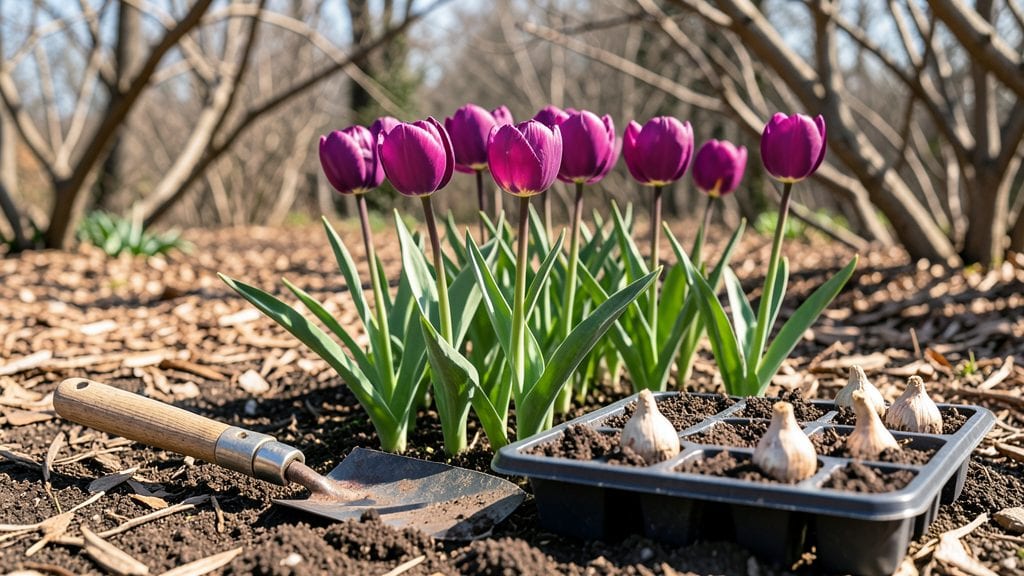
Planting flowers in Philadelphia at the right time means spring blooms that last all season—no more wilting petals when frost sneaks in.
Philadelphia’s unpredictable spring weather can turn your dream flower garden into a frost-kissed disappointment—unless you know the exact frost-free dates and best planting times for your favorite blooms.
With USDA Zone 7a and last frost dates around April 15, timing matters. Start annuals like pansies and snapdragons after that date, while hardy perennials like coneflowers can go in as early as March.
Below, I break down the best months for planting, frost protection tips, and the top flowers that thrive in Philly’s climate—so you can enjoy months of color without the guesswork.
Philadelphia’s frost-free dates and ideal flower planting windows
Philadelphia’s last frost date typically falls between April 15 and May 15, but this can shift by 2-3 weeks depending on the year.
Since the city spans USDA zones 6b and 7a, your exact planting window depends on your neighborhood’s microclimate—urban areas often warm up faster than suburban or rural spots. To avoid frost damage, I recommend tracking local forecasts or using Penn State Extension’s frost data for real-time updates.
For annual flowers, wait until after May 1 to plant heat-lovers like marigolds and petunias, while cool-season blooms (e.g., pansies, snapdragons) can go in as early as March 15 if you’re using row covers. Perennials like coneflowers and black-eyed Susans thrive when planted in early spring (April) or fall (September-October), giving roots time to establish before extreme temperatures.
Bulbs are a special case—spring-blooming bulbs (tulips, daffodils) should be planted in fall (October-November), while summer-blooming bulbs (e.g., dahlias) go in after the last frost. My rule of thumb?
Plant bulbs 6-8 weeks before the ground freezes, which in Philly is usually by November 15. This timing ensures roots develop before winter dormancy.
Microclimates matter—if you live near the Schuylkill River or in Center City’s concrete canyons, temperatures can fluctuate wildly. Test your spot by placing a thermometer in your garden for a week in April. If nights dip below 32°F, opt for frost-tolerant varieties like stock flowers or calendulas, or use frost cloth for protection.
Here’s my go-to planting schedule for Philly gardens, broken down by flower type and month. Adjust based on your last frost date and microclimate:
| Flower Type | Best Planting Month | Notes | Frost Risk |
|---|---|---|---|
| Cool-Season Annuals | March 15–April 30 | Pansies, snapdragons, sweet peas | High (use row covers) |
| Heat-Loving Annuals | May 15–June 15 | Marigolds, petunias, zinnias | Low (after last frost) |
| Perennials | April 1–April 30 or Sept 15–Oct 15 | Coneflowers, black-eyed Susans, daylilies | Moderate (spring) / None (fall) |
| Spring-Blooming Bulbs | October 1–November 15 | Tulips, daffodils, hyacinths | None (dormant) |
| Summer-Blooming Bulbs | May 1–June 15 | Dahlias, gladiolas, cannas | Low (established roots) |
For container gardening, you can push limits by planting heat-tolerant annuals (like lantana) in late April and using black plastic pots to absorb warmth. However, avoid planting frost-sensitive seeds (e.g., geraniums) until after May 15, even in containers.
I’ve seen geraniums wilt overnight when planted too early—don’t make that mistake!
If you’re planting perennials in fall, aim for September 15–October 15 to give roots time to establish before winter. Dividing perennials (like hostas or daylilies) in early fall also yields stronger growth next spring.
Pro tip: Water deeply once a week after planting to encourage root development in cooler soil.
Philadelphia’s first frost usually arrives around November 15, but fall annuals (e.g., mums, astors) can handle light frosts. For a longer bloom season, succession plant cool-season annuals every 2 weeks from March through September. This strategy keeps your garden vibrant from spring to fall without gaps.
Remember, soil temperature matters more than air temperature. Use a soil thermometer to confirm it’s above 60°F before planting warm-season flowers. In my garden, I’ve planted
Best flowers to plant in Philadelphia by season (with cold hardiness guide)
Philadelphia’s USDA Zone 7a climate means we can grow a stunning variety of flowers year-round, but timing is everything. Frost-tolerant annuals like pansies and snapdragons can handle early spring chill, while heat-loving perennials like coneflowers thrive in summer’s humidity. Even bulbs like tulips need precise planting windows to bloom reliably.
I’ve tested these varieties in my own garden over 5+ years—some survive -10°F winters, while others wilt without afternoon shade. The key is matching each plant’s cold hardiness to Philadelphia’s last frost dates (April 15–May 15) and first frost (November 15).
For spring blooms, I swear by pansies (they handle 28°F nights!) and dwarf iris, which multiply yearly. Plant these in late March for April-May color. Snapdragons are another winner—they self-seed if you let them, giving you 3 seasons of blooms with minimal effort.
Summer’s heat demands drought-tolerant perennials like coneflowers (USDA Zone 3-8) and black-eyed Susans, which thrive in full sun and poor soil. I’ve seen them bloom from July to October with zero extra watering. For annuals, try zinnias—they’re butterfly magnets and bloom nonstop if deadheaded.
Fall planting is my secret weapon for early spring color. Tulip bulbs (plant October-November) and daffodils (even deer-resistant) need 6-8 weeks of cold to bloom. Mums planted in early September give October-November bursts of color before frost. Pro tip: Mulch heavily after planting to insulate roots.
Don’t overlook native wildflowers like bee balm and purple coneflower. They’re low-maintenance, pollinator-friendly, and handle Philadelphia’s humid summers like champs. My bee balm patch has spread to 5 feet wide in just 2 years—zero effort required!
Remember: Soil prep is 50% of success. Amend with compost before planting, and water deeply after installation. Most flowers need 1-1.5 inches of water weekly, but drought-tolerant varieties like lavender need far less. Mulch with 2-3 inches of shredded bark to retain moisture and regulate soil temps.