
Companion Plants
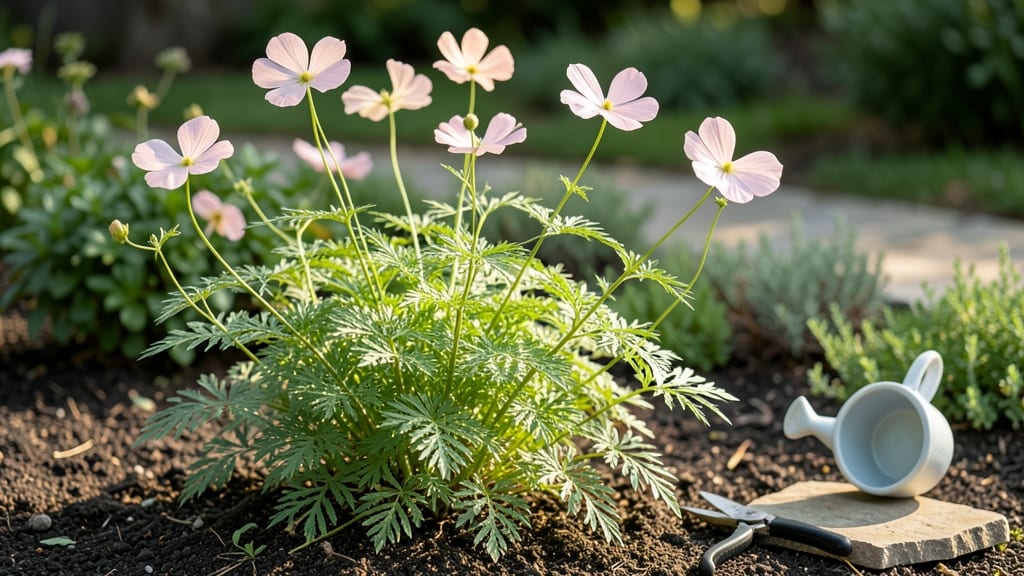
Growing whirling butterfly plants (Gaura lindheimeri) means adding airy, dancing blooms that hum with butterflies all season long. 🌿 I fell for these plants the first time I saw them swaying in a dry border—they’re the perfect mix of tough and beautiful, thriving where other flowers give up.
The secret lies in their love of well-draining soil and full sun, which turns them into nonstop bloomers from spring until frost.
You’ll need a spot with at least 6 hours of sunlight daily and soil that drains fast—these plants hate soggy feet. Mulch lightly to keep moisture in but roots cool, and water only when the top inch of soil feels dry.
Prune back by a third in early spring to encourage bushier growth, and deadhead spent blooms to keep flowers coming. The best part? They’re drought-tolerant once established, so they’ll reward you with less fuss than most perennials.
By midsummer, your garden will buzz with pollinators, and those delicate, butterfly-shaped flowers will dance in the slightest breeze. The foliage stays lush even in heat waves, making them ideal for borders, wildflower meadows, or even container gardens.
They’re hardy down to Zone 5, so they’ll bounce back year after year with almost no effort.
For extra drama, pair them with lavender or Russian sage—they’ll complement each other’s colors and drought tolerance perfectly. And if you’re feeling adventurous, try propagating from cuttings in early summer. It’s the easiest way to multiply your plants without spending a dime. Let’s get those whirling butterflies growing!
📚 In This Guide
- What you need
- Instructions
- Tips and common mistakes
- Wrapping up and next steps
What you need
- ● Whirling Butterfly Plant Seeds or Transplants: 5–10 seeds (if starting from scratch)
- ● 2–3 nursery-grown transplants (for faster results)
- ● Well-Draining Soil Mix: Native soil amended with 50% compost or sandy loam (whirling butterflies hate soggy roots!)
- ○ Optional: Perlite or pumice (1 part per 5 parts soil) for extra drainage
- ● Sunny Planting Spot: Minimum 6–8 hours of full sun daily (partial shade tolerates but reduces blooms)
- ● Garden Trowel or Transplant Spade (for digging holes)
- ● Measuring Tape or Ruler (to space plants 12–18 inches apart)
- ● Watering Can or Hose with Gentle Nozzle (drip irrigation is ideal for drought tolerance)
- ○ Mulch (Optional but Recommended): 2–3 inches of gravel, bark chips, or straw mulch (keeps moisture in while allowing drainage)
- ● Pruners or Shears (for trimming dead foliage or shaping plants)
- ● Gloves (to protect hands from milky sap—harmless but sticky!)
- ● Patience (if starting from seed): Germination takes 14–21 days in warm soil (70°F+).
- ● Drought Tolerance: Once established, these plants thrive with minimal watering (water deeply 1–2x/week in dry spells).
- ● Pollinator-Friendly Zone: Plant near bee balm, coneflowers, or black-eyed Susans for a superhighway of pollinators!
How to create a whirling butterfly garden for drought-tolerant beauty
This is my go-to approach for a low-maintenance, pollinator-friendly garden that thrives with minimal water.
🌱 Step 1: Select the Right Butterfly-Friendly Plants
Start with drought-tolerant perennials that attract butterflies year-round. My top picks are butterfly weed (Asclepias tuberosa), black-eyed Susan (Rudbeckia hirta), and purple coneflower (Echinacea purpurea)—all thrive in dry conditions and pack nectar-rich blooms. These plants also support caterpillars, completing the butterfly life cycle.
Check your local nursery for native varieties—they’ll adapt better to your climate. I always plant at least 3-5 of each to create a vibrant, interconnected habitat. Place taller plants like coneflower at the back and shorter ones like butterfly weed in front for a layered look.
☀️ Step 2: Choose the Perfect Sunny Spot
Butterfly gardens need full sun—6+ hours daily—to thrive. Scan your yard for the sunniest, driest patch, even if it’s currently bare soil. These plants despise soggy roots, so avoid low-lying areas where water pools after rain.
I test spots by placing a white board where I want to plant—if it’s warm to the touch by midday, it’s perfect. Mark the area with stakes so you don’t accidentally dig in the wrong place. If your yard has partial shade, stick to sedge (Carex) or yarrow (Achillea) for tougher conditions.
💧 Step 3: Amend the Soil for Drought Resistance
Loosen the soil to 12 inches deep with a shovel or garden fork, breaking up compacted layers. Mix in 2-3 inches of compost (I use the 4 cubic feet I’ve saved from kitchen scraps) to improve drainage without adding moisture retention. These plants hate heavy clay—amending it now saves headaches later.
For extra insurance, top the amended soil with 1-2 inches of gravel or coarse sand to prevent water pooling. This mimics their natural dry habitats and keeps roots cool in summer. Water deeply once after planting to help roots establish, then let nature take over.
🌿 Step 4: Plant and Space for Pollinator Traffic
Dig holes twice as wide as the root ball but only as deep. Gently remove plants from containers and tease apart roots if they’re circling. Place each plant so the top of the root ball sits level with the soil surface—burying too deep suffocates stems.
Space plants 18-24 inches apart to allow airflow and easy butterfly access. I arrange them in clusters of 3-5, mixing colors and heights for visual appeal. Mulch with 2-3 inches of wood chips (using the 1 cubic yard I’ve prepped) to suppress weeds and retain just enough moisture without drowning roots.
⏰ Step 5: Maintain with Minimal Effort
Water only during extreme drought—these plants store moisture in their roots. After the first year, they’ll need no supplemental watering unless your area gets less than 1 inch of rain per month. Deadhead spent blooms in late summer to encourage another flush of flowers before winter.
Fertilize once in early spring with a low-nitrogen, high-phosphorus blend (like 5-10-10) to boost blooms. I skip fertilizers after that—overfeeding leads to weak stems that flop in summer heat. Prune back one-third of the plant in early spring to encourage bushier growth and prevent legginess.
Tips & tricks for perfect whirling butterfly plants
Here's what I've learned after creating these stunning, low-maintenance butterfly gardens that thrive year after year.
Plant Selection: When choosing between butterfly weed, black-eyed Susan, and purple coneflower, I prioritize local native varieties—they're already adapted to your climate and require less care. For extra butterfly appeal, add optional milkweed varieties if you want to attract monarchs specifically. The key is diversity: aim for at least 3-5 of each plant type to create a vibrant ecosystem that butterflies will flock to.
Sunny Spot Secrets: That 6+ hours of daily sun requirement is non-negotiable, but here's a pro tip: test your spot with a white board midday—if it's warm to the touch, you've found the perfect location. For partial shade areas, sedge and yarrow are your best allies, though they won't attract as many butterflies as the main trio. I've found that even just 4 hours of direct sun can work for these hardy plants if they're in full sun for the rest of the day.
Soil Prep Strategy: The 12-inch deep soil loosening in Step 3 is crucial for root development, but don't skip the compost layer—it's what makes these drought-tolerant plants truly thrive. I've had the most success using a mix of 4 cubic feet of compost with about 20% coarse sand to improve drainage. This combination prevents waterlogging while still providing essential nutrients. For clay-heavy soils, consider adding 1-2 inches of gravel on top after planting to mimic their natural dry habitats.
Planting Layout: The 18-24 inch spacing between plants isn't just about aesthetics—it creates perfect landing zones for butterflies. I arrange them in clusters of 3-5 to form "landing pads" that make the garden more inviting. For extra visual impact, plant taller coneflowers at the back and shorter butterfly weed in front. This layered approach also helps prevent disease by improving airflow between plants.
Pro Tips for Whirling Butterfly Plants
- Here's what I've learned after creating these stunning, low-maintenance butterfly gardens that thrive year after year.
- Plant Selection: When choosing between butterfly weed, black-eyed Susan, and purple coneflower, I prioritize local native varieties—they're already adapted to your climate and require less care.
- Sunny Spot Secrets: That 6+ hours of daily sun requirement is non-negotiable, but here's a pro tip: test your spot with a white board midday—if it's warm to the touch, you've found the perfect location.
Frequently asked questions
Got questions about growing whirling butterfly plants (Asclepias tuberosa) or making the most of their pollinator power? Here are answers to the most common queries—so you can dive in with confidence!
How fast do whirling butterfly plants grow, and when will I see blooms?
These hardy perennials grow at a moderate pace—expect 12–18 inches tall in their first year. With patience, you’ll see vibrant orange blooms by mid-to-late summer (June–August in most U.S. zones). Pro tip: Plant in full sun and well-drained soil to speed up growth and encourage early flowering!
Are whirling butterfly plants truly drought-tolerant? How often should I water them?
Once established (after 1–2 years), they thrive on rainfall alone in dry conditions. For young plants, water deeply 1–2 times per week during the first growing season. Warning: Overwatering causes root rot—let the soil dry between waterings!
Can I grow whirling butterfly plants in containers? What’s the best pot size?
Yes! They adapt well to containers if given enough space. Use a pot at least 12–15 inches deep and wide with drainage holes. Add cactus/succulent mix for optimal drainage. Bonus: Move pots to a sunny spot and fertilize lightly in spring to boost blooms!
What do I do if my plant gets mildew or pests like aphids?
Powdery mildew (white fuzzy spots) or aphids (sticky residue) can occur. For mildew, prune affected leaves and improve airflow. Spray aphids with soapy water or introduce ladybugs. Prevention tip: Avoid overhead watering and keep soil moist (not soggy) to deter issues.
Are there alternatives to whirling butterfly plants for pollinators?
Try these drought-tolerant, pollinator-friendly swaps:
- Milkweed species (e.g., Asclepias syriaca for monarchs)
- Lavender (drought-resistant + bee magnet)
- Blanket flower (Gaillardia) (long-blooming, low-water)
- Yarrow (Achillea) (tough, colorful, and deer-resistant)
Wrapping up and next steps
Whirling butterflies (Asclepias tuberosa) aren’t just stunning—they’re low-maintenance, drought-resistant powerhouses that attract pollinators year-round while adding vibrant pops of color to your garden. Whether you’re a seasoned gardener or just starting, these plants offer effortless beauty and ecological benefits that make them a must-have for any outdoor space.
Ready to transform your garden? Start small—plant a few whirling butterflies this season, observe their magic, and watch your pollinator friends flock in! For even more impact, pair them with complementary native plants like milkweed or coneflowers. 🌸🐝