
Pruning
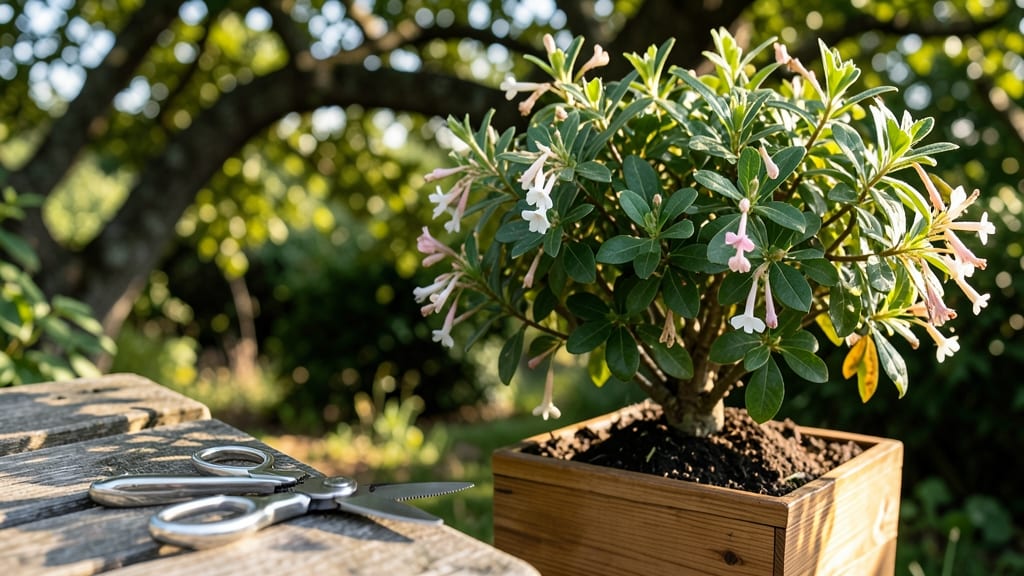
Mastering abelia plant pruning turns this free-flowering shrub from scraggly to stunning—all with just three simple cuts a year. 🌿 I’ve pruned abelias for over a decade, and these timed trims keep mine compact, blooming heavily, and free of dead wood.
The key isn’t just when you cut, but how you shape the plant to encourage that signature cascading growth.
You’ll need only three tools: sharp bypass pruners for clean cuts, loppers for thicker branches, and gloves to protect from thorns. The real work happens in late winter, early summer, and right after blooming—each trim serves a purpose, from removing dead growth to shaping for next year’s flowers.
Most gardeners overlook the summer trim, which is where you prevent leggy, sparse growth.
After pruning, your abelia will reward you with denser foliage, more flowers, and a tidy shape that fits any landscape. The first flush of blooms comes from last year’s growth, so timing matters—cut too late, and you sacrifice next season’s flowers.
But get it right, and you’ll have a plant that looks polished year-round, with minimal effort.
This method works for all abelia varieties, from the classic Abelia × grandiflora to dwarf types. Whether you’re shaping a hedge or a single specimen, the same principles apply. Let’s get those pruners sharp and your abelia thriving!
📚 In This Guide
- What you need
- Instructions
- Tips and common mistakes
- Wrapping up and next steps
What you need
- ● Bypass pruners – Sharp, clean bypass pruners (5-inch to 7-inch blades) for precise cuts on small to medium stems (1/4" to 3/4" thick). Example: Felco F-2 or Corona Tools Classic.
- ● Loppers – Heavy-duty bypass loppers (20-inch to 24-inch handles) for thicker branches (3/4" to 1.5" diameter). Example: Fiskars X27 or Bahco Forester.
- ● Hand saw – A pruning saw with a fine-toothed blade (8-10 TPI) for stubborn, woody stems (1.5"+ diameter). Example: Felco F-3 or Corona Tools Pruner Saw.
- ● Garden gloves – Cut-resistant gloves (e.g., Mechanix or Filson) to protect hands from thorns and sharp tools.
- ● Disinfectant – 70% isopropyl alcohol or a pruning sealant (like Tanglefoot Tree Wound Pruning Sealer) to prevent disease spread.
- ● Extension pole – A 3- to 6-foot telescoping pole with a saw attachment for hard-to-reach branches.
- ● Rubbing alcohol wipes – For quick tool sterilization between cuts.
- ● String or twine – To mark branches for removal before cutting.
- ● Pruning shears (for fine-tuning) – Concave-cut shears (like Corona Tools Classic) for shaping delicate new growth.
- ● Check the weather: Prune on a dry, overcast day or early morning to reduce stress on the plant.
- ● Know your Abelia’s growth stage: Light trims (spring/fall) vs. hard pruning (late winter).
- ● Have a clean workspace: Lay down a tarp or old sheet to collect clippings easily.
Instructions for abelia plant pruning: year-round shape control
Mastering abelia pruning keeps your shrubs lush, flowering, and compact—no more wild, leggy growth.
✂️ Step 1: Late Winter Cleanup (Dormant Season)
Start your abelia pruning in late February or early March while the plant is still dormant. This is the perfect time to remove any dead, diseased, or crossing branches that rub together—these are the weak points that invite pests and diseases. I always use clean, sharp pruners to make precise cuts just above a leaf node or outward-facing bud.
Look for branches that are brown, brittle, or hollow—these won’t recover. Snip them back to healthy growth. Avoid cutting into old wood (more than 3 years old), as abelias struggle to regenerate from such severe pruning. If you see any suckers at the base, remove them too—they drain energy from your main plant.
✂️ Step 2: Post-Flowering Renewal (Late Spring)
After your abelia finishes blooming in late May or June, it’s time for the second pruning of the year. This is where you shape the plant and encourage fresh growth. Start by thinning out overcrowded branches—remove about one-third of the oldest stems at the base to improve airflow and sunlight penetration.
For the remaining branches, cut back one-third of the length to promote bushier growth. Focus on outward-facing buds when making cuts—this keeps the plant fuller instead of letting it grow leggy. Avoid heavy pruning on young plants; they need their energy to establish roots. You’ll see new shoots emerging within 2-3 weeks—that’s your signal everything’s working.
✂️ Step 3: Light Summer Trimming (Mid-to-Late Summer)
In July or August, give your abelia a light touch-up to maintain its shape. This isn’t about heavy pruning—just removing any straggly or misplaced growth that’s throwing off the balance. Look for branches growing inward or crossing others; these should be pruned back to a strong outward-facing bud.
If your abelia looks a bit ragged after summer heat, a light shearing with hand pruners can tidy it up. Never cut more than 10-15% of the plant’s total growth in one session—this prevents stress. After pruning, give the plant a deep watering to help it recover. You’ll notice fresh, vibrant growth appearing within 3-4 weeks, especially if you’ve kept the cuts clean and precise.
✂️ Step 4: Optional Light Pruning (Early Fall)
If your abelia still needs a little refinement before winter, a light pruning in September or early October can help. This is mostly about removing any deadheading flowers and tidying up any errant branches that popped up over summer. Avoid heavy cuts now—the plant needs time to harden off before cold weather.
Focus on shaping rather than reducing size. A little cleanup now prevents winter damage from heavy snow or ice. After pruning, apply a 2-inch layer of mulch around the base to protect roots. Your abelia will thank you with stronger blooms next spring—that’s the reward for year-round care.
Tips & tricks for perfect abelia plant pruning
These precision strategies will transform your abelia from leggy to lush year-round.
The Timing Factor: Late February to early March is your golden window for Step 1 cleanup—this dormant season timing prevents stress on the plant. If you miss this window, wait until the plant finishes blooming in late May/June for the renewal pruning. Never prune in fall after hard frost, as abelias need time to harden off before winter. I've learned this the hard way after seeing plants struggle when pruned too late.
Tool Technique: Always use clean, sharp pruners for every cut—dull tools crush stems instead of making clean snips. Disinfect your pruners with rubbing alcohol between cuts to prevent spreading disease. For thicker branches, use loppers with bypass blades that make clean cuts without tearing. This precision makes all the difference in how quickly your abelia recovers and grows back fuller.
Pruning Precision: Focus on making cuts just above outward-facing buds during all pruning steps—this encourages fuller growth rather than leggy stems. In Step 2, when cutting back one-third of remaining branches, measure the length you're removing to ensure consistency. I mark the cut line with a piece of tape first to visualize where I'll cut, which helps maintain that perfect one-third reduction without over-pruning.
Recovery Strategy: After any pruning session, especially the summer light trimming, always follow with deep watering to help the plant recover. The 2-3 week recovery time mentioned in Step 2 is crucial—this gives the plant time to establish new growth before you prune again. If you notice yellowing leaves after pruning, it's a sign the plant needs more time to adjust rather than more aggressive pruning.
Pro Tips for Abelia Plant Pruning
- These precision strategies will transform your abelia from leggy to lush year-round.
- The Timing Factor: Late February to early March is your golden window for Step 1 cleanup—this dormant season timing prevents stress on the plant.
- Tool Technique: Always use clean, sharp pruners for every cut—dull tools crush stems instead of making clean snips.
Frequently asked questions
Got questions about keeping your Abelia looking its best? Here are answers to the most common pruning puzzles—so you can trim with confidence!
When is the absolute best time to prune my Abelia?
The golden window is late winter or early spring (just before new growth starts), but you can also do light shaping in summer after flowering. Avoid heavy pruning in fall—it can stimulate tender new growth that won’t survive winter. Pro tip: If you missed the spring trim, a light touch in summer is better than nothing!
Can I prune my Abelia right after it blooms?
Yes! Abelia blooms on current year’s wood, so pruning right after flowering (late spring to early summer) encourages more vibrant blooms next year. Just avoid cutting back more than 1/3 of the plant at once to prevent stress. Think of it as a refresh, not a reset!
What if I prune too late in the season?
Late pruning (fall or winter) can leave cuts vulnerable to cold damage or fungal issues. If you must prune then, sterilize your shears and avoid heavy cuts. Focus on removing dead/diseased wood and light shaping—save major trims for spring. Bonus: A light dusting of fungicide can help if you’re in a damp climate.
How do I fix overgrown or leggy Abelia?
Don’t panic! Start with a harder prune in spring—cut back 1/3 to 1/2 of the leggy stems to just above a leaf node or bud. For dense growth, thin out interior branches to improve airflow. Water deeply after pruning and fertilize lightly to encourage bushier regrowth. Patience is key: It may take a season or two to fully recover!
Can I propagate my Abelia from pruned cuttings?
Softwood cuttings
(4–6 inches long) taken in late spring or early summer root easily. Dip the cut end in rooting hormone, plant in moist perlite/sand mix, and keep humid (use a plastic bag). Roots form in 4–8 weeks. Pro move: Label your cuttings—Abelia varieties vary, and you’ll want to remember which one thrives best!
Wrapping up and next steps
Pruning your Abelia plant doesn’t have to feel like a daunting task—with just three strategic trims a year, you can keep it lush, healthy, and perfectly shaped! 🌿 Whether you’re trimming for blooms, airflow, or aesthetics, timing and technique are your best friends.
Now that you’re armed with the right tools and tips, there’s no better moment to roll up your sleeves and give your Abelia the care it deserves.
Ready to take the next step? Grab your pruners and schedule that first trim! Your Abelia will thank you with vibrant growth and stunning flowers all season long. 🌸