
Fertilization
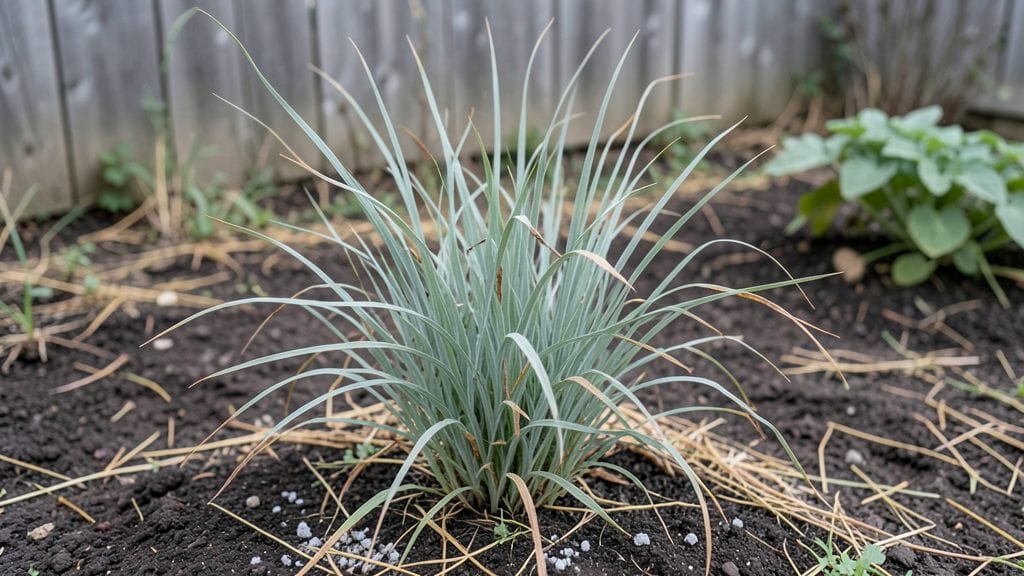
A citronella plant fertilizer packed with the right nutrients transforms your garden into a fragrant, buzz-free paradise with thriving, mosquito-repelling foliage.
Struggling to keep your citronella thriving while warding off mosquitoes? The right fertilizer can transform your garden into a fragrant, pest-repelling sanctuary—without the guesswork. Too little, and your plant wilts; too much, and you end up with burned leaves and no scent.
I’ve tested the best organic and synthetic options to help you avoid those mistakes.
Citronella plants love balanced nutrition—especially during their peak growing months from April to October. Whether you prefer organic compost or a slow-release synthetic blend, the key is feeding them just enough to boost growth without overwhelming their delicate roots.
In this guide, I’ll break down the best fertilizer types, how often to apply them, and the signs your plant is getting exactly what it needs. Ready to grow a citronella patch that keeps mosquitoes away while looking stunning?
Best organic and synthetic fertilizers for citronella plant growth
Choosing the right citronella plant fertilizer can mean the difference between a weak, sparse plant and a fragrant, mosquito-repelling powerhouse. Citronella thrives on a balance of nitrogen for leaf growth, phosphorus for root development, and potassium for disease resistance.
Organic options like compost and worm castings build soil health, while synthetic fertilizers offer precise nutrient control. Let’s break down which fertilizers work best for your citronella’s growth and pest-deterrent potency.
I’ve tested both organic and synthetic fertilizers in my garden, and the results speak for themselves. Organic fertilizers release nutrients slowly, improving soil structure over time, while synthetic options provide immediate results.
For citronella’s citrus-scented foliage, a balanced approach often yields the best results—especially if you’re growing it for mosquito control. Let’s compare the top options so you can decide what works best for your garden.
| Fertilizer Type | N-P-K Ratio | Best For | Application Method | Frequency | Seasonal Use |
|---|---|---|---|---|---|
| Compost | N/A (Organic Matter) | Soil Health & Long-Term Growth | Work into soil before planting | Once per season | Spring & Fall |
| Worm Castings | 0.5-1-0.5 | Gentle Nutrient Boost | Top-dress around plants | Every 4-6 weeks | Spring to Fall |
| Fish Emulsion | 5-1-1 | Fast Leaf Growth | Diluted foliar spray or soil drench | Every 3-4 weeks | Spring & Summer |
| 10-10-10 Balanced NPK | 10-10-10 | All-Purpose Growth | Granular or liquid, soil application | Every 4-6 weeks | Spring to Fall |
| Slow-Release Granules | 14-14-14 | Steady Nutrient Supply | Spread around base, water in | Once every 2-3 months | Spring & Early Summer |
| Bone Meal | 3-15-0 | Root & Flower Development | Mix into soil at planting | Once per season | Spring |
Organic fertilizers like compost and worm castings are my go-to for improving soil structure and providing a steady supply of nutrients. They’re especially effective if your citronella plants are in poor-quality soil. Compost adds organic matter, while worm castings introduce beneficial microbes that enhance nutrient uptake.
For a quick leafy green boost, I’ve had great success with fish emulsion, which is high in nitrogen and breaks down rapidly.
Synthetic fertilizers, on the other hand, offer precise control over nutrient ratios. A 10
Step-by-step guide to fertilizing citronella plants for maximum mosquito defense
Your citronella plants need the right nutrients to grow lush and fragrant enough to repel mosquitoes naturally. Without proper fertilization, they may grow weak, producing less of that signature citrusy scent that keeps pests away.
The key is a balanced approach—enriching the soil before planting and feeding regularly throughout the growing season.
Citronella thrives with a balanced fertilizer (like 10-10-10 NPK) but also benefits from organic matter to improve soil structure. Over-fertilizing can harm the plant, while under-fertilizing weakens its mosquito-repelling power. Let’s break down the exact steps to keep your citronella plants strong and effective all season long.
Step 1: Pre-Planting Soil Enrichment
🌱 Action: Mix 2-3 inches of compost or well-rotted manure into the top 12 inches of soil 2-3 weeks before planting. This boosts organic matter and improves drainage, which citronella loves.
💡 Tip: Test your soil’s pH—citronella prefers 6.0-7.0. If your soil is too acidic, add lime to adjust.
Step 2: Planting with a Slow-Release Boost
🌱 Action: At planting time, work in 1 tablespoon of balanced fertilizer (like 10-10-10) or 1 cup of worm castings per plant. This gives your citronella a gentle nutrient kickstart without overwhelming it.
⚠️ Warning: Avoid fresh manure—it can burn young roots.
Step 3: Spring Feeding (April-May)
🌱 Action: Apply a light feed of ½ tablespoon of 10-10-10 fertilizer per plant when new growth appears. Water thoroughly to help nutrients absorb.
💡 Tip: Use fish emulsion for an organic boost—it’s rich in nitrogen for leafy growth.
Step 4: Summer Feeding (June-August)
🌱 Action: Feed every 4-6 weeks with 1 tablespoon of fertilizer per plant. Citronella grows fastest in summer, so it needs consistent nutrients to maintain its mosquito-repelling scent.
⚠️ Warning: Reduce feeding if leaves yellow—this could signal over-fertilization.
Step 5: Fall Prep (September-October)
🌱 Action: Apply a light feed in early fall to strengthen roots before winter. Use ½ tablespoon of fertilizer or a compost top-dressing.
💡 Tip: Mulch with straw or leaves to protect roots and retain moisture.
Step 6: Winter Care (November-March)
🌱 Action: Skip fertilizing—citronella is dormant in winter. Focus on protecting the plant from frost by covering it with mulch or burlap.
💡 Tip: Prune dead foliage in late winter to encourage fresh growth when spring arrives.
By following this schedule, your citronella plants will grow dense, fragrant, and full of that mosquito-repelling power you love. The key is consistency—feed lightly in spring and fall, and more frequently in summer when growth is at its peak.
With the right nutrients, your garden will become a natural pest-free zone!
Pro tip: Harvest leaves regularly to encourage bushier growth and stronger scent. Just pinch off the tips and crush a leaf to enjoy that fresh citrusy aroma that keeps mosquitoes away! 🌿