
Pests
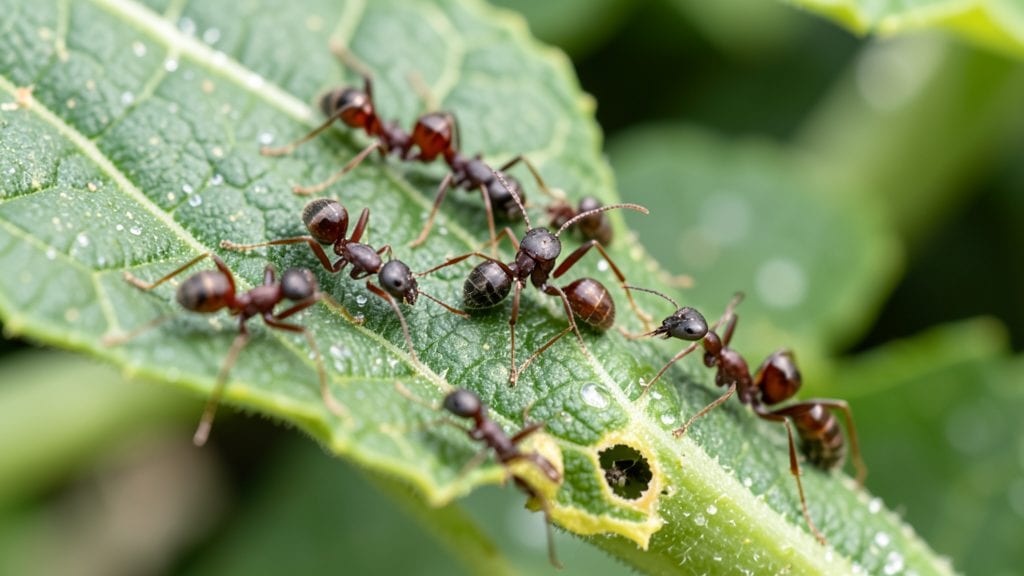
Ants on squash plants aren't just a nuisance—they’re a sneaky invitation to bigger problems like aphids and squash vine borers. 🌿 I learned that the hard way when my prized butternut squash vines became a buffet for both ants and their unwanted guests, cutting my harvest in half.
The good news? A simple barrier trick can stop them without chemicals or fuss.
Most gardeners grab sprays first, but the real fix lies in understanding ants’ trail systems. They’re not just random visitors—they’re highway builders, leading pests straight to your plants. All you need is a 1-inch-wide band of diatomaceous earth or crushed eggshells around the base of your squash plants.
It’s cheap, organic, and works within 24 hours to sever those trails.
Once you block the ants, you’ll notice fewer sticky leaves and healthier vines. The squash plants will focus on growing instead of fighting off pests, and you’ll avoid the heartbreak of wilted vines or hollowed-out fruit.
This method keeps working all season long with minimal upkeep—just refresh the barrier after rain.
For stubborn infestations, combine the barrier with neem oil sprays on the undersides of leaves where aphids hide. But here’s the kicker: 90% of the time, the barrier alone does the trick. It’s the kind of solution that makes you wonder why you didn’t try it sooner.
📚 In This Guide
- What you need
- Instructions
- Tips and common mistakes
- Wrapping up and next steps
What you need
- ● Diatomaceous earth (food-grade): 1–2 cups (ensure it’s non-toxic and labeled for organic use).
- ● Tanglefoot or sticky barrier tape: 1–2 rolls (1–2 inches wide).
- ● Spray bottle: 8–16 oz (for mixing solutions).
- ● Water: Enough to create a fine mist or light spray.
- ○ Gloves (optional but recommended): 1 pair (to avoid skin irritation from diatomaceous earth).
- ● Fine-mesh strainer: To sift diatomaceous earth evenly.
- ● Paintbrush or small broom: For precise application around plant bases.
- ● Natural repellents (e.g., cinnamon, cayenne pepper, or citrus peels): 1–2 tbsp (for DIY sprays).
- ● Garden twine or string: To create a physical barrier around plants.
Step-by-Step instructions for creating a natural ant barrier around squash plants
Here's how to keep those persistent ants from marching straight to your squash blossoms.
🪴 Step 1: Gather Your Barrier Materials
You'll need diatomaceous earth (food-grade only) and a fine-mesh dusting tool or clean, dry paintbrush. I like to use a 1-quart spray bottle filled with water for the second part of this trick. Grab a pair of gardening gloves too—this stuff can be gritty and irritating to bare skin.
Work on a dry, calm day when ants are most active. The barrier needs to stay dry to work effectively, so avoid setting this up right after rain. I usually do this in the early morning when dew has dried but before the heat of midday kicks in.
🌿 Step 2: Create a 2-Inch Wide Ring Around Each Plant
Measure 2 inches outward from the base of each squash plant's stem. This creates a buffer zone where you'll place your ant barrier. Use a wooden dowel or straight stick to mark the circle in the soil—this helps keep your application even and prevents gaps where ants could sneak through.
For larger squash patches, connect these circles with a continuous band around the entire planting area. This stops ants from bypassing your barrier entirely. I find that a 1-inch wide band between plants works best—wide enough to be effective, but not so broad it wastes materials.
💧 Step 3: Apply the Diatomaceous Earth Barrier
Put on your gloves and carefully pour a thin, even layer of diatomaceous earth along your marked circle. The goal is a light dusting—about ¼ teaspoon per linear foot—not a thick pile. Too much creates a mess and can harm beneficial insects. Use your fingers to gently press the powder into the soil's surface without compacting it.
Focus on the soil surface only. Avoid getting any on the plant leaves or stems, as it can cause irritation. I like to work in small sections, applying the powder and then lightly brushing it into the soil with my paintbrush to ensure good coverage. This creates a physical and chemical barrier that ants won't cross.
⏰ Step 4: Reinforce with Water Barrier (Optional but Effective)
Fill your spray bottle with plain water and lightly mist the outer edge of your diatomaceous earth ring. This creates a moisture barrier that ants avoid. The water should be lightly applied—just enough to dampen the soil slightly without creating puddles. I usually do this in the late afternoon when ants are most active.
Reapply this water barrier every 3-4 days or after rain. The diatomaceous earth works best when dry, but the moisture barrier helps deter ants from even approaching your plants. This two-part system creates a double defense that's much harder for ants to overcome.
☀️ Step 5: Maintain and Monitor the Barrier
Check your barrier every 2-3 days for gaps or areas where ants might be crossing. After rain or heavy watering, you may need to reapply the diatomaceous earth—rain washes it away, reducing its effectiveness. I keep a small ziplock bag of extra powder handy for quick touch-ups.
Watch for ant trails leading to your plants. If you see them bypassing your barrier, extend the ring outward by 1 inch and reapply. This method works best as a preventative measure, so set it up before you notice significant ant activity. With consistent maintenance, you'll see fewer ants within 3-5 days.
Tips & tricks for effective ant barriers on squash plants
A few simple adjustments can make all the difference between a temporary fix and a long-lasting ant deterrent.
Timing is Everything: Set up your barrier in the early morning when dew has evaporated but before the heat of midday. This gives the diatomaceous earth time to settle properly before ants become most active. I've found that applying it right after rain completely defeats its purpose—wait until the soil is completely dry. The powder needs to stay dry to work effectively.
Precision Application: When creating your 2-inch wide ring in Step 2, use a wooden dowel to mark the circle precisely. Too narrow, and ants will find gaps; too wide, and you waste valuable diatomaceous earth. For larger patches, connect the circles with a 1-inch band between plants—this creates an unbroken defense line. I like to work in small sections, applying the powder first, then gently brushing it into the soil with a paintbrush for even coverage.
Double Defense Strategy: The water barrier in Step 4 is optional but incredibly effective. Ants avoid crossing moisture barriers naturally, so the combination of dry diatomaceous earth and dampened outer edges creates a double deterrent. Reapply the water barrier every 3-4 days or after rain—this maintains the moisture gradient that confuses ants. I usually do this in the late afternoon when ants are most active and their trails are easiest to spot.
Monitor and Adjust: Check your barrier every 2-3 days for gaps or ant trails bypassing the ring. If you notice ants crossing, extend the barrier outward by 1 inch immediately. The key is consistency—ants are persistent, so you need to stay one step ahead. Keep a small ziplock bag of extra diatomaceous earth handy for quick touch-ups after rain or heavy watering. This method works best as prevention, so set it up before you see significant ant activity.
Pro Tips for Ants On Squash Plants
- A few simple adjustments can make all the difference between a temporary fix and a long-lasting ant deterrent.
- Timing is Everything: Set up your barrier in the early morning when dew has evaporated but before the heat of midday.
- Precision Application: When creating your 2-inch wide ring in Step 2, use a wooden dowel to mark the circle precisely.
Frequently asked questions
Got questions about those tiny but troublesome ants marching across your squash plants? You’re not alone! Here are some common concerns and quick solutions to keep your garden thriving—without the pests.
Why are ants on my squash plants in the first place?
Ants often visit squash plants because they’re attracted to aphids, tiny sap-sucking pests that excrete a sweet liquid called honeydew. While ants don’t directly harm squash, they protect aphids, creating a mutually beneficial (and destructive) relationship for your plants. Break this cycle with natural barriers!
When should I expect ants to show up on my squash?
Ants typically appear early in the growing season, often within weeks of planting, especially if aphids or other sap-feeding insects are already present. Warm, humid conditions in spring and summer make squash plants extra appealing. Monitor your garden weekly to catch infestations early!
What’s the best natural barrier to keep ants away?
A simple, effective trick is to create a diatomaceous earth (DE) or crushed eggshell barrier around your squash plants. Ants avoid crossing these gritty lines. For a DIY option, mix equal parts flour and water, let it dry into a paste, and apply it as a ring. Reapply after rain!
Will ants go away on their own, or do I need to act fast?
Ants won’t disappear without intervention—they’ll keep protecting aphids, which weaken your squash plants over time. Act within 3–5 days of noticing them. Use barriers, introduce ladybugs (natural aphid predators), or spray soapy water on ant trails to disrupt their paths.
Are there plants that repel ants naturally?
Yes! Plant mint, basil, or lemon balm near your squash to deter ants. These herbs emit scents ants dislike. For a quick fix, crush a few leaves and place them around the base of your plants. Just avoid overcrowding—ants might still visit if aphids are nearby!
What if the ants don’t leave after trying barriers?
If ants persist, they might be nesting under rocks, in mulch, or near your garden’s edges. Locate their trail (usually shiny from honeydew) and use borax bait (mix 1 part borax with 3 parts sugar and water) sparingly. For organic gardens, try duckweed or wood ash as a last resort—both disrupt ant pathways.
Wrapping up and next steps
Dealing with ants on your squash plants doesn’t have to be a headache—with a few simple, natural tricks, you can protect your harvest and keep your garden thriving! 🌱 By setting up a diatomaceous earth barrier or using orange oil, you’re not just fighting pests—you’re fostering a healthier ecosystem.
The best part? These methods are safe, effective, and easy on your wallet.
Ready to take action? Start by inspecting your plants this weekend and try one of these solutions. Your squash (and your sanity!) will thank you. 😊