
Pests
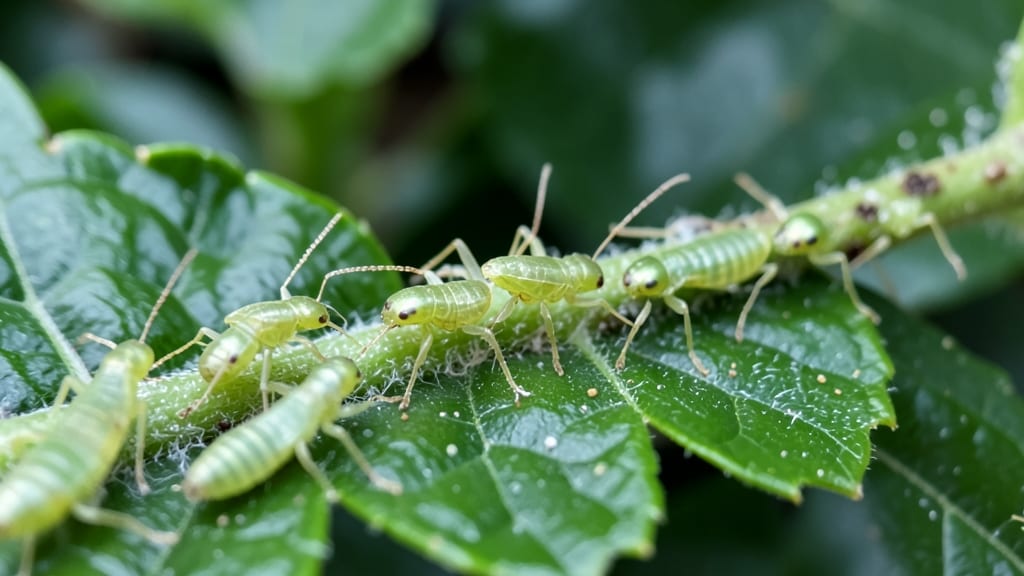
This aphids on hibiscus plants treatment—neem oil spray—is the secret weapon for wiping out infestations before they turn your glossy leaves into sticky, curled messes. 🌿 I’ve watched entire outbreaks vanish within 48 hours after just one application—no more sticky residue. or weakened blooms.
The key lies in timing, concentration, and knowing exactly where those tiny green invaders hide.
Most gardeners reach for harsh chemicals first, but neem oil works faster and safer for your hibiscus—and your bees. You’ll need a simple mix of neem oil, water, a drop of dish soap, and a spray bottle.
The soap helps the oil cling to leaves where aphids cluster, while the neem disrupts their life cycle. No fancy equipment, just a 10-minute prep and 5 minutes of spraying.
By day three, you’ll see aphids dropping like flies, and new growth will emerge vibrant green again. The best part? This isn’t a one-time fix—neem oil builds up in the plant’s system, offering 3-4 weeks of protection against future attacks.
The only catch? Apply it on a calm morning or evening to avoid burning tender leaves.
Works for both indoor and outdoor hibiscus, and even saves other plants in your garden from cross-contamination. Let’s get those aphids gone for good—your hibiscus will thank you with blooms that last all summer.
Root Causes of Aphid Infestations
Aphids may seem like a sudden nuisance, but they rarely appear out of nowhere—your hibiscus plants are essentially sending out an invitation (or a distress signal) without you even realizing it. Understanding why these tiny sap-suckers target your hibiscus is the first step to stopping them for good.
Let’s break down the key reasons, backed by science, so you can address the problem at its source.
Aphids are opportunistic pests—they thrive when plants are stressed or vulnerable. Hibiscus plants, like many others, produce natural defenses (such as sticky honeydew or even mild toxins) to deter pests. However, when these defenses weaken, aphids move in like uninvited guests at a buffet.
- Nutrient Deficiencies: Aphids are drawn to plants lacking essential nutrients like nitrogen, phosphorus, or potassium. A nitrogen deficiency, for example, makes leaves less robust, making them easier targets. Test your soil—if pH levels are off (below 6.0 or above 7.0), your hibiscus can’t absorb nutrients efficiently, leaving it aphid-prone.
- Overcrowding: Hibiscus plants in tight spaces compete for sunlight, water, and nutrients. Crowded foliage creates microclimates with higher humidity—aphids love these conditions because they slow down natural predators (like ladybugs) and allow aphid colonies to grow unchecked.
- Drought or Overwatering: Both extremes stress hibiscus. Drought stress triggers the plant to produce more sugars in its sap (a sweet treat for aphids), while overwatering creates soggy roots, weakening the plant’s ability to fend off pests. Aim for 1–1.5 inches of water per week, adjusting for your climate.
💡 Pro Tip: Strengthen your hibiscus’s defenses by pruning regularly to improve airflow and applying a balanced fertilizer (10-10-10 or 20-20-20) every 4–6 weeks during growing season.
Aphids don’t just attack any plant—they’re drawn to hibiscus because of chemical cues that signal easy access to food and shelter. Your hibiscus might be unknowingly broadcasting these signals:
- Sap-Rich Leaves: Hibiscus leaves are naturally high in sugars and amino acids, making them a nutritional powerhouse for aphids. Unlike some plants that produce bitter compounds, hibiscus sap is palatable to these pests. Young, tender leaves are especially vulnerable because their cell walls are softer and easier to penetrate.
- New Growth Hotspots: Aphids prefer new shoots and flower buds because they’re the most nutrient-dense parts of the plant. If your hibiscus is blooming heavily or has fresh growth, aphids will zero in on these areas first. This is why infestations often start at the tips of branches or near flowers.
- Honeydew Feedback Loop: Aphids excrete honeydew, a sticky sugar-rich waste that attracts ant colonies. Ants, in turn, protect aphids like livestock, carrying them to new feeding sites. This creates a vicious cycle: more aphids → more honeydew → more ants → exponential infestation.
🔥 Actionable Fix: Monitor new growth closely and isolate infested branches immediately. If you spot ants, disrupt their trails with diatomaceous earth or a soapy water spray to break the aphid-ant alliance.
Aphids are highly sensitive to their surroundings, and certain environmental conditions create the perfect storm for infestations on hibiscus. Here’s how your garden’s ecosystem might be inviting them in:
| Factor | How It Helps Aphids | Solution |
|---|---|---|
| Warm Temperatures (60–80°F) | Aphids reproduce rapidly in warm weather—some species can multiply every 7–10 days without predators. | Use row covers or neem oil sprays during peak aphid seasons (spring/fall). |
| Low Wind Conditions | Stagnant air reduces natural predators (like lacewings or hoverflies) that would otherwise keep aphid populations in check. | Install oscillating fans near plants or plant companion flowers (e.g., marigolds) to attract beneficial insects. |
| High Humidity | Moisture slows down aphid predators and helps aphids retain water, making them harder to dislodge. | Improve drainage and avoid overhead watering. Use kaolin clay to create a protective barrier. |
✨ Bonus Tip: Aphids hate reflective surfaces. Try placing aluminum foil or white plastic mulch around your hibiscus to confuse them with erratic light patterns.
In a healthy garden, aphids are kept in balance by natural enemies. But if your hibiscus is isolated or your yard lacks biodiversity, these predators vanish, leaving aphids to take over.
- Missing Beneficial Insects: Ladybugs, lacewings, hoverflies, and parasitic wasps are aphid’s worst nightmares. If your garden lacks these, aphids explode in numbers. For example, a single ladybug can eat 5,000 aphids in its lifetime!
- Pesticide Overuse: Broad-spectrum chemical pesticides kill both pests AND predators, creating a pesticide-induced crash that leaves your hibiscus defenseless. Even synthetic pyrethroids (common in store-bought sprays) can wipe out beneficial insects for weeks.
- Monoculture Planting: Planting only hibiscus (or a few similar species) reduces habitat diversity, making it harder for predators to find food and shelter. Aphids, meanwhile, specialize in hibiscus and thrive in these simplified ecosystems.
🎯 Long-Term Solution: Introduce pollinator-friendly plants (e.g., dill, fennel, or yarrow) near your hibiscus to attract predators. Release beneficial nematodes or buy ladybugs online for instant reinforcement.
Quick Fixes for Aphid-Infested Hibiscus
Aphids may seem like a tiny nuisance, but with the right approach, you can banish them fast and keep your hibiscus thriving. Below are targeted solutions based on the root cause—whether it’s overcrowding, weak plants, or a lack of natural predators.
Each method is designed to be effective, eco-friendly, and easy to implement, even for beginners.
If you catch aphids early, physical removal can save your hibiscus without harsh chemicals.
How to do it:
- 👨🍳 Fill a spray bottle with soapy water (1 tsp mild dish soap + 1 quart water).
- 🥘 Spray directly on clusters of aphids until they’re soaked—they’ll drop off or suffocate.
- 🔪 Use a strong stream of water (from a hose) to rinse them away from leaves and stems.
- ⏰ Repeat every 2–3 days until no more aphids appear.
Pro Tip: 💡 Timing matters! Do this early in the morning so the plant has time to dry and avoid fungal issues.
Aphids have natural enemies that can eliminate them without chemicals. Encourage these helpers in your garden:
| Predator | How to Attract Them | When to Expect Results |
|---|---|---|
| Ladybugs | Plant dill, fennel, or marigolds nearby. | 3–7 days |
| Lacewings | Leave some aphids (they lay eggs on them). | 1–2 weeks |
| Parasitic Wasps | Avoid pesticides—these wasps hunt aphids. | 2–3 weeks |
| Birds | Install a bird feeder or birdhouse. | Immediate (if present) |
Pro Tip: 🌡️ Avoid pesticides—they kill beneficial insects too! If you must spray, use neem oil (see next step).
Neem oil is a powerhouse for aphids—it disrupts their life cycle while being safe for plants and pets.
How to make a DIY neem oil spray:
- 🔥 Mix 1 tbsp neem oil, 1 tsp mild soap (or castile soap), and 1 quart water.
- 🍳 Stir well and pour into a spray bottle.
- 👨🍳 Spray undersides of leaves (aphids love hiding there!) and stems.
- ⏰ Apply every 5–7 days for 2–3 weeks to break their cycle.
Pro Tip: ✨ Shake before each use—neem oil separates over time!
Once you’ve cleared the aphids, take these steps to keep them away:
- 🌱 Prune for airflow – Trim overcrowded branches to reduce hiding spots. - 💦 Water at the base – Avoid wetting leaves (aphids love damp foliage). - 🌿 Plant companion flowers – Marigolds, basil, and garlic repel aphids naturally. - 🔍 Inspect regularly – Check new growth and leaf undersides weekly. - 🌡️ Keep plants healthy – Over-fertilizing (especially nitrogen) attracts aphids.
Use a balanced fertilizer.
Pro Tip: 🎯 Yellow sticky traps near hibiscus can catch adult aphids before they multiply!
If aphids keep coming back despite natural methods, insecticidal soap or horticultural oil may be needed.
How to use:
- 🔪 Follow label instructions (usually 1–2 tbsp per gallon of water).
- 🍳 Spray in the evening to avoid harming bees.
- ⏰ Reapply every 5–7 days until aphids are gone.
Warning: ❌ Avoid systemic pesticides—they can harm pollinators and weaken plant immunity.
✅ Manual removal (soapy water spray) ✅ Natural predators (ladybugs, lacewings) ✅ Neem oil spray (2–3 weeks) ✅ Preventive care (pruning, companion plants, proper watering)
With these proactive steps, your hibiscus will stay aphid-free and bloom beautifully all season! 🌺💚
Frequently asked questions
How quickly will neem oil work on aphids?
You’ll typically see results within 48 hours of the first application. Neem oil disrupts aphids' feeding and reproduction, causing them to drop off or stop reproducing. For severe infestations, apply every 5-7 days for 2-3 weeks to fully break their life cycle.
Can I use store-bought insecticidal soap on hibiscus?
Yes, but choose a horticultural oil-based soap specifically labeled for ornamental plants. Mix it with water (follow package instructions) and spray directly on aphids. Apply in the evening to avoid harming bees and reapply every 5-7 days until aphids disappear.
Why do aphids keep coming back even after treatment?
Persistent aphids usually mean either new eggs hatching or hidden infestations (like on leaf undersides). Check for ant trails (they protect aphids) and ensure you're treating all plant parts. Strengthen your hibiscus by pruning for airflow and adding companion plants like marigolds to attract natural predators.
Is it safe to use neem oil while hibiscus are blooming?
Yes, neem oil is petal-safe when used correctly. Just avoid spraying directly on open flowers to prevent potential discoloration. Focus on leaves and stems, and apply in the early morning so the solution dries before evening. This won't harm pollinators if used as directed.
What's the best way to prevent future aphid outbreaks?
Combine 3 key strategies:
- Regular inspections (check leaf undersides weekly),
- Healthy plant care (balanced fertilizer, proper watering), and
- Natural deterrents. Plant garlic or basil nearby, use yellow sticky traps, and introduce ladybugs to create a balanced ecosystem.