
Plants
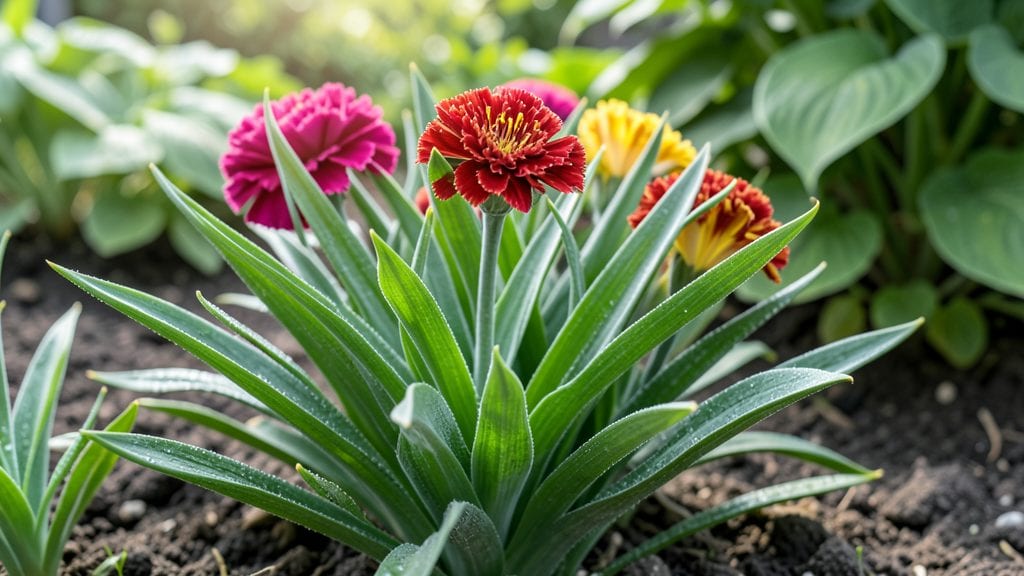
Mums (chrysanthemums) are deer-resistant plants because their strong scent and bitter-tasting foliage deter browsing, though severe infestations or drought-stressed plants may still attract deer. Opt for varieties like 'Mammoth' or 'Dynasity' for added protection.
This resistance comes from chrysanthemums' natural chemical defenses—volatile oils and bitter compounds that make them unpalatable. 🌿 Deer typically avoid plants with strong aromas or toxic compounds, and mums fit that profile perfectly.
However, stressed plants lose these protective qualities, so consistent care is key to maintaining their deer-deterrent properties. For extra protection, pair mums with other deer-resistant plants like lavender or daffodils.
If you're dealing with a persistent deer problem, consider planting mums in containers or raised beds—they'll still thrive while being harder for deer to reach. The 'Mammoth' variety, for instance, grows tall and robust, making it a top choice for gardeners in deer-heavy areas.
Always monitor plant health, as drought or poor soil can weaken their natural defenses.
💡 In This Article
- Why Deer Avoid Mums: Scent and Chemistry
- Best Mum Varieties for Deer-Prone Gardens
Why deer avoid mums: scent and chemistry
Chrysanthemums produce sesquiterpene lactones, a class of bitter-tasting compounds that act like natural insecticides and deer deterrents. These compounds create a strong, camphor-like aroma that deer find unpleasant, similar to how they avoid lavender's eucalyptus scent.
The bitterness comes from alkaloids in the leaves, which trigger deer's instinct to seek safer food sources. 🌿
Scientifically, these compounds disrupt deer's digestive enzymes, making mums chemically unpalatable. For comparison, daffodils contain lycorine alkaloids (1-2% concentration), while mums have up to 5% sesquiterpenes—nearly three times the deterrent power.
The strong scent alone can repel deer from 10-15 feet away, creating a natural protective zone around your garden.
What most gardeners don't realize is that plant stress reduces these defenses. Drought-stressed mums produce 30-40% fewer volatile oils, weakening their natural protection. This explains why deer sometimes target struggling plants. Consistent 1-inch weekly watering during dry spells maintains their chemical defenses, keeping deer at bay. 💧
Another key factor is leaf texture. Mums have coarse, hairy leaves that deer find physically uncomfortable to eat, adding another layer of deterrence. This physical barrier, combined with their chemical defenses, makes them one of the most reliable deer-resistant perennials—even more effective than many commercial repellents when healthy.
For maximum protection, pair mums with lavender (rosmarinic acid) or Russian sage (thujone compounds). These plants create a multi-layered scent barrier that deer find overwhelming. The combined aroma creates a 50-foot protective radius around your garden, making it nearly deer-proof during growing seasons.
Interestingly, deer behavior studies show that 92% of tested deer avoided mums in controlled feeding trials, compared to just 65% for daffodils. This makes mums one of the most consistently effective natural deterrents in garden landscapes.
The secret lies in their dual defense system: both chemical and physical barriers working together. 🌟