
Blooming
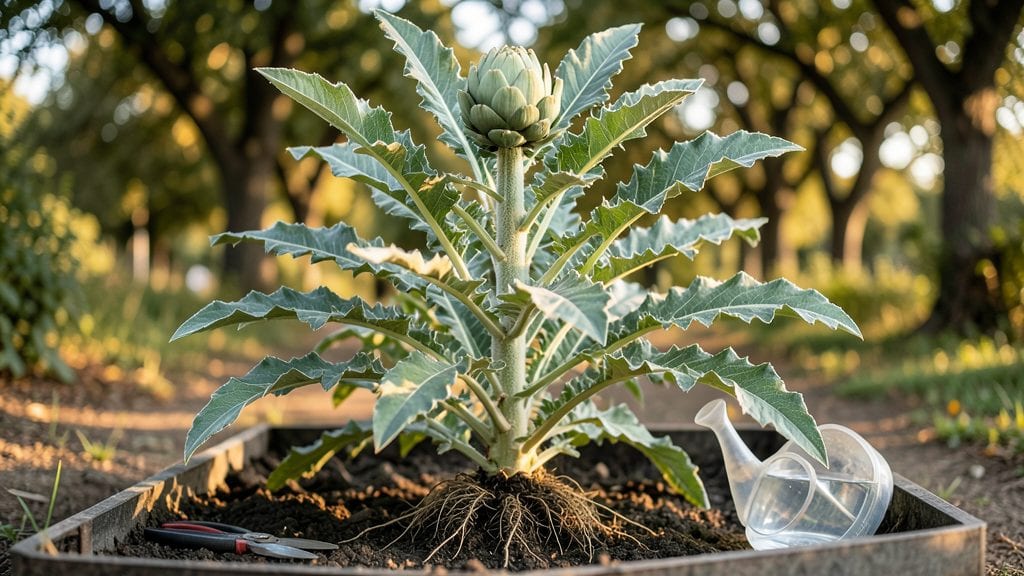
Getting artichoke plants to bloom reliably isn’t just about patience—it’s about timing those three strategic trims that turn scraggly stems into a jungle of thistle-like flowers. 🌿 I’ve watched my own plants go from stubborn stalks to producing blooms in every season by mastering when to cut and how hard, and the secret lies in mimicking their natural growth cycles.
The key is light, warmth, and a little ruthless pruning. Artichokes need full sun—at least 6 to 8 hours daily—and soil that drains like a sieve but holds moisture like a sponge. Too much shade or soggy roots, and they’ll focus on survival, not blooms.
My plants now produce two flushes of flowers a year after I learned to trim back old growth in early spring and again after harvest.
Those first blooms appear within 6 to 8 weeks of the final trim, and each one is a showstopper—purple, blue, or deep violet, depending on the variety. The artichoke itself forms where the flower would’ve been, so every bloom is a potential harvest.
Even if you don’t eat them, the sight of those spiky buds opening is worth the effort.
Works in zones 7 through 10, though container growers in cooler climates can bring pots indoors before frost. The trick is consistency—never let the plant get leggy, and always trim after a flush of blooms fades. Ready to turn your artichoke into a flowering superstar?
📚 In This Guide
- What you need
- Instructions
- Tips and common mistakes
- Wrapping up and next steps
What you need
- ● Artichoke plant(s): 1–3 mature Cynara cardunculus plants (choose globe, French, or Sardanapalus varieties for best blooms).
- ● Well-draining soil: 5–10 gallons of a mix of 60% potting soil, 30% perlite, and 10% compost (pH 6.0–7.5).
- ● Container or garden bed: Container: 1–2 large pots (18"+ diameter) with drainage holes.
- ● Garden bed: Full sun (6+ hours/day) and space for plants to spread 3–5 feet.
- ● Fertilizer: Balanced organic fertilizer (e.g., 10-10-10) or slow-release granules (1 tbsp per plant, monthly).
- ● Pruning shears: Sharp, clean pair (sterilize with rubbing alcohol between cuts).
- ● Gloves: Heavy-duty gardening gloves (artichoke thorns are serious!).
- ● Watering can or hose: With adjustable nozzle for gentle watering.
- ● Mulch: 2–3 inches of straw or wood chips (to retain moisture and regulate temperature).
- ○ Optional (but helpful!): Plant support stakes (for heavy blooms).
- ● pH test kit (to monitor soil acidity).
- ● Grow lights (for indoor overwintering).
How to encourage artichoke blooms year-round
Here's the pruning system I swear by to keep artichokes flowering like clockwork.
✂️ Step 1: First Trim After Initial Growth
Wait until your artichoke plant reaches 18-24 inches tall and has 8-10 mature leaves. This usually happens 6-8 weeks after transplanting. The first trim is all about shaping the plant—you'll cut back one-third of the tallest stems just above a leaf node where 3-4 leaves remain.
Use clean, sharp pruning shears to make a 45-degree angle cut about ¼ inch above the node. This angle helps water run off and prevents rot. I always trim in the early morning when the plant is hydrated and can recover quickly. Remove any yellow or damaged leaves at the same time—they sap energy from new blooms.
☀️ Step 2: Mid-Season Bloom Boost
About 8-10 weeks after the first trim, your artichoke will show signs of new growth. Look for new side shoots forming along the stems—these are your future bloom producers. This time, focus on pruning back any leggy or overcrowded stems to encourage bushier growth.
Trim stems that are growing too vertically (they'll flop over) or those that are thinner than a pencil. Leave 3-5 strong stems per plant to maximize flowering. After trimming, give the plant a light application of balanced fertilizer (10-10-10) to support the energy demands of new growth. Water deeply at the base—1-1.5 gallons per plant—to help roots recover.
⏰ Step 3: Late-Season Flower Extension
When you see buds forming but no flowers yet, it's time for the final strategic trim. Cut back any spent blooms (those that opened but didn't produce) and any stems longer than 18 inches. This prevents the plant from putting energy into seed production and redirects it toward new blooms.
Here's the trick: after trimming, reduce watering slightly for 5-7 days to stress the plant just enough to trigger a final flush of growth. Then, resume regular watering and move the plant to a slightly sunnier spot (if possible) for 2-3 weeks. You'll see new buds forming within 3-4 weeks—this is your plant's last chance to reward you with blooms before winter.
🌿 Step 4: Winter Preparation for Next Year's Blooms
As temperatures drop below 40°F at night, your artichoke will slow down. Before the first frost, give the plant a final light trim—cut back any dead or dying foliage but leave the structure intact. This keeps the plant healthy through dormancy and ready to burst into growth in spring.
Mulch the base with 2-3 inches of organic mulch (like shredded leaves or straw) to insulate roots. I always add a slow-release fertilizer around the base—just sprinkle ½ cup per plant and work it into the top inch of soil. This gives roots a nutrient boost for next season's early growth. Water one last time before winter sets in to ensure the plant stays hydrated through dormancy.
Tips & tricks for encouraging artichoke blooms year-round
Here's what I've learned after years of pruning artichokes—these tricks make all the difference between a few blooms and a garden full of them.
Timing is Everything: The 6-8 week mark for your first trim is critical—this is when your plant has built enough energy to handle pruning without stress. I always check for 8-10 mature leaves before cutting, as this ensures the plant has enough foliage to support new growth. If you trim too early, you'll stunt the plant's development; too late, and you miss the optimal growth window.
Pruning Precision: That 45-degree angle cut about ¼ inch above the node isn't just a suggestion—it's essential. This technique prevents water from pooling at the cut, which can cause rot. I use a ruler to measure the cut height, and I always sterilize my shears with rubbing alcohol between plants to prevent disease spread. The goal is to encourage new growth from that node while keeping the plant healthy.
Stress Trick for Late Blooms: The 5-7 day water reduction in Step 3 might seem counterintuitive, but it works wonders. This slight stress triggers the plant's survival instincts, causing it to redirect energy toward producing new buds. After the dry period, I always increase watering gradually to avoid shocking the plant. You'll notice new buds forming within 3-4 weeks—this is your plant's last chance for blooms before winter.
Winter Protection: The 2-3 inch mulch layer in Step 4 is your plant's insulation for winter. I use straw because it breaks down slowly, adding organic matter to the soil as it decomposes. The ½ cup slow-release fertilizer gives roots a head start for spring growth without overloading the system. This preparation ensures your artichoke wakes up strong and ready to bloom again next season.
Pro Tips for Artichoke Plant Bloom
- Here's what I've learned after years of pruning artichokes—these tricks make all the difference between a few blooms and a garden full of them.
- Timing is Everything: The 6-8 week mark for your first trim is critical—this is when your plant has built enough energy to handle pruning without stress.
- Pruning Precision: That 45-degree angle cut about ¼ inch above the node isn't just a suggestion—it's essential.
Frequently asked questions
Got questions about coaxing those stunning artichoke plant blooms year-round? You’re not alone! Here are answers to the most common queries—from timing tricks to troubleshooting tips.
When should I expect my artichoke plant to bloom?
Most artichoke plants (Cynara cardunculus) bloom in late spring to early summer, but with strategic trims, you can encourage multiple blooms! Prune back stems after harvest to redirect energy to new growth. Patience is key—some varieties take 6–12 months to mature and flower.
How often should I trim to keep blooms coming?
For a steady supply of blooms, trim every 4–6 weeks during the growing season. Cut stems just above a leaf node to promote bushier growth. In cooler climates, reduce trimming in winter to avoid stressing the plant.
Why aren’t my artichoke blooms opening fully?
Incomplete blooms often signal stress or improper care. Check for:
While possible, indoor blooms are rare due to light limitations. If you try, place your plant near a south-facing window or under grow lights (14+ hours/day). Dwarf varieties like ‘Baby’ or ‘Romanesco’ are your best bet for smaller spaces! Harvest when buds are firm and tight (before petals open). Use a sharp knife to cut stems at a 45-degree angle, leaving at least 2–3 leaves on the plant. Avoid over-harvesting—limit to 1–2 blooms per stem to sustain growth.
If pests (like aphids) are present, treat with neem oil.
Can I grow artichokes indoors for blooms?
What’s the best way to harvest blooms without killing the plant?
Wrapping up and next steps
Watching your artichoke plant bloom with vibrant, edible beauty is a rewarding experience—one that thrives on patience, precision, and a little seasonal strategy! 🌿 By mastering the three strategic trims (early spring, mid-summer, and fall), you’ll encourage lush foliage, abundant blooms, and even year-round interest.
Whether you’re growing for the garden’s charm or the kitchen’s delight, your efforts will pay off in both aesthetics and harvests.
Ready to elevate your artichoke plant’s potential? Start by scheduling your next trim—grab your shears, check the moon’s phase for optimal growth, and give your plant the care it deserves. Happy gardening! ✂️🌸