
Landscaping
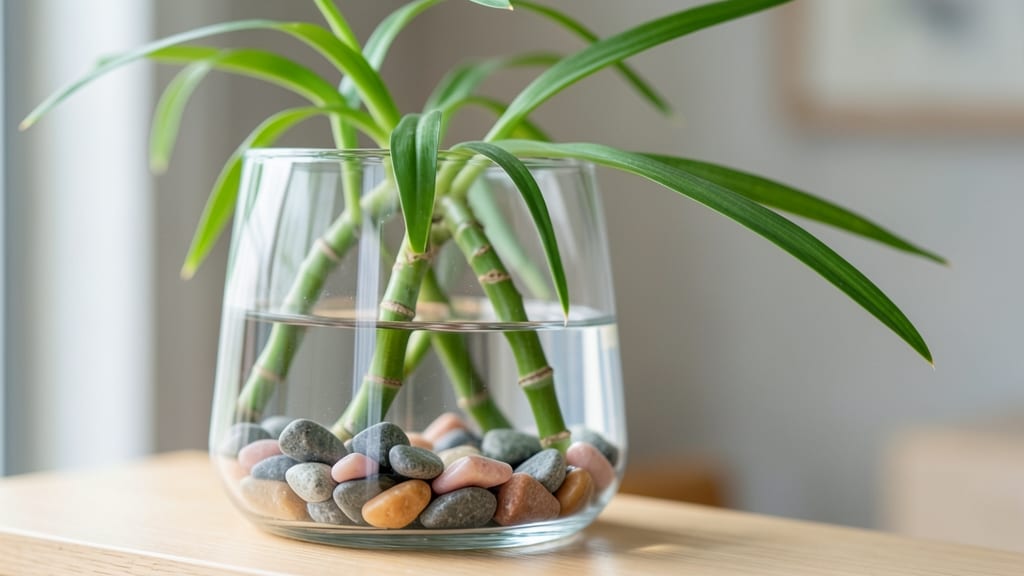
A bamboo plant fence grows taller than a privacy screen in just three years—no construction required. 🌿 I’ve watched mine transform from delicate shoots to a lush, wind-resistant barrier that blocks neighbors’ views while adding tropical style. The best part? It’s alive, not just a static wall.
You’ll need running bamboo (not clumping) for speed, sturdy stakes or trellis for support, and 12-18 inches of spacing between plants to prevent overcrowding. Most varieties hit 10-20 feet tall in ideal conditions, but I’ve seen some reach 30 feet with proper care.
The key is planting in early spring when roots establish before summer heat.
By year three, you’ll have a fragrant, rustling screen that hums with life—no chain link or plastic panels in sight. Birds nest in the stalks, butterflies flit through, and the air smells like rain on green leaves. It’s the kind of fence that makes neighbors ask, “What even is that?”
Works for small yards, large properties, or even urban balconies with dwarf varieties. Just remember: containment is crucial. Let’s get yours growing fast.
📚 In This Guide
- What you need
- Instructions
- Tips and common mistakes
- Wrapping up and next steps
What you need
- ● Bamboo poles: 10–20 poles (depending on fence height—6–10 feet tall for privacy, 3–5 feet for decorative). Choose hardy bamboo varieties like Phyllostachys (clumping types are easier to manage).
- ● Posthole digger or auger: For digging holes 12–18 inches deep and 6–8 inches wide.
- ● Concrete mix: 60 lbs bag (or pre-mixed quick-setting concrete) for securing posts.
- ● Galvanized or PVC fence posts: 4x4 inches, 6–8 feet long (1 post per 6–8 feet of fence length).
- ○ T-posts or bamboo stakes: Optional for temporary support while bamboo establishes roots.
- ● Landscape fabric: 3–4 feet wide (to suppress weeds and retain moisture).
- ● Mulch: Wood chips or straw (2–3 inches thick) to protect soil and roots.
- ● Measuring tape and string line (for marking fence layout).
- ● Shovel (for backfilling dirt after concrete sets).
- ● Level (to ensure posts are plumb).
- ● Hammer or mallet (for driving stakes or adjusting posts).
- ● Wire cutters or pruners (for trimming bamboo as it grows).
- ● Gloves and safety goggles (because bamboo is tough!).
- ● Watering can or hose (for post-installation hydration).
- ● Check local regulations: Some areas restrict bamboo growth—clumping varieties are usually safer than running types.
- ● Sunlight & soil: Bamboo thrives in partial sun (4–6 hours/day) and well-draining soil. Amend clay soil with compost!
- ● Spacing: Plant bamboo 3–5 feet apart for a dense screen in 3 years.
- ○ Optional extras: Bamboo trellis for vertical growth.
- ● Decorative stones along the base for a polished look.
- ● Drip irrigation to automate watering.
Step-by-step instructions for planting a bamboo plant fence
Here's how to create a lush, fast-growing natural screen that matures in just three seasons.
🌱 Step 1: Choose and Prepare the Right Bamboo Variety
Select clumping bamboo varieties like Fargesia or Sasa for controlled spread—running bamboo like Phyllostachys will escape and overtake your yard. I always opt for cold-hardy types rated for my USDA zone to avoid winter dieback. Dig a hole twice as wide as the root ball but only as deep as the container it came in.
Amend the native soil with 4 inches of compost mixed into the bottom of the hole. This improves drainage and provides nutrients for the first critical growing season. Avoid planting in heavy clay—bamboo roots need oxygen and will suffocate in compacted soil.
🪴 Step 2: Plant at the Correct Depth and Spacing
Position the bamboo 6-12 inches apart in a single row for a tight screen, or 12-18 inches apart for a more open look. The spacing determines how quickly the fence fills in—closer plants create a denser barrier faster. Place the root ball in the hole so the top of the rhizome sits 1-2 inches below soil level—this prevents exposure during drought.
Backfill with native soil mixed with 2 inches of perlite to improve drainage. Water deeply until moisture reaches 12 inches down, then let the soil settle. Tap the ground gently around the base to eliminate air pockets. Mulch with 3 inches of wood chips to retain moisture and suppress weeds.
☀️ Step 3: Provide Ideal Light and Water Conditions
Bamboo thrives in partial shade to full sun, but young plants appreciate morning sun and afternoon shade during their first year. In hot climates, afternoon shade prevents leaf scorch. Water deeply twice weekly for the first month, then taper to once weekly once established—bamboo roots extend 3-5 feet deep for moisture.
Check soil moisture by inserting your finger 3 inches down—if it feels dry, water again. Overwatering causes root rot, especially in containers. Fertilize with balanced 10-10-10 in early spring and again in midsummer, but avoid high-nitrogen blends that promote leafy growth at the expense of structural strength.
✂️ Step 4: Prune for Density and Control Spread
In late winter or early spring, remove dead or crossing canes at the base with clean, sharp pruners. Cut 1/4 inch above a node to encourage new growth from that point. Thin out canes spaced more than 6 inches apart to maintain a uniform screen—this ensures no gaps form as the fence matures.
For clumping varieties, divide the plant every 3-4 years in early spring. Dig up a section of the rhizome cluster, separate into 3-5 inch chunks with at least one shoot, and replant immediately. This rejuvenates the parent plant and creates free new plants for expansion.
⏰ Step 5: Monitor Growth and Adjust Care Seasonally
By year two, your fence should reach 6-8 feet tall with canes 1-2 inches thick. If growth slows, apply a slow-release fertilizer in early spring. In winter, protect young plants with 2-3 inches of mulch to insulate roots from freezing temperatures. Watch for bamboo borers—small holes in canes signal an infestation; treat with neem oil spray if detected.
After three years, your screen will be fully mature, with canes 2-3 inches thick and a dense, wind-resistant barrier. At this point, maintenance shifts to annual pruning and fertilizing—no more heavy watering or structural work. Enjoy your fast-growing, low-maintenance privacy screen!
Tips & tricks for perfect bamboo plant fence
Here's what I've learned after planting and maintaining bamboo screens for over a decade—these tricks will help you achieve that lush, mature look in just three seasons.
Variety Selection: When choosing between Fargesia and Sasa, opt for Fargesia robusta if you want the fastest growth to full height. These varieties reach 8-10 feet in just two seasons, giving you that quick privacy screen. For smaller spaces, Sasa veitchii stays more compact while still growing rapidly—it's perfect for narrow garden beds. Remember, clumping varieties are your best bet for controlled spread, especially if you're not prepared to deal with running bamboo's aggressive nature.
Planting Depth: The 1-2 inches below soil level for the rhizome isn't just a guideline—it's critical for survival. If planted too shallow, roots will dry out during drought, while too deep can cause rot. I've seen many gardeners make this mistake and lose their entire planting. Use a level to ensure consistent depth across all plants, especially if you're creating a long fence line. A simple garden rake can help create a uniform planting trench before placing your bamboo.
Watering Strategy: Those first two weeks of deep watering twice weekly are non-negotiable. I've seen bamboo plants that looked thriving after planting only to wilt and die because they weren't properly established. After the initial month, the taper to once weekly is where many people go wrong—they stop watering entirely. Remember, bamboo roots extend 3-5 feet deep, so surface watering won't cut it. Use a soil probe to check moisture at that depth before deciding when to water again. In containers, you'll need to water even more frequently since roots can't spread as deeply.
Pruning Timing: Late winter or early spring pruning isn't just about aesthetics—it's about growth stimulation. When you cut 1/4 inch above a node, you're encouraging new shoots to emerge from that exact point, creating denser foliage. I've found that pruning right before the growing season begins gives plants the best chance to fill in any gaps. For a uniform screen, always remove canes from the inside of curves—they'll grow outward naturally, creating that perfect curved barrier.
Pro Tips for Bamboo Plant Fence
- Here's what I've learned after planting and maintaining bamboo screens for over a decade—these tricks will help you achieve that lush, mature look in just three seasons.
- Variety Selection: When choosing between Fargesia and Sasa, opt for Fargesia robusta if you want the fastest growth to full height.
- Planting Depth: The 1-2 inches below soil level for the rhizome isn't just a guideline—it's critical for survival.
Frequently asked questions
Got questions about bamboo plant fences?
Here are answers to the most common ones—so you can plan your privacy screen with confidence!
How fast does a bamboo fence actually grow?
A bamboo plant fence can grow 3–5 feet per year under ideal conditions, offering full privacy in just 2–3 years. Running bamboo (like Phyllostachys) spreads aggressively, while clumping bamboo grows taller but stays contained. For faster results, plant in spring and keep soil moist!
Is a bamboo fence cheaper than wood or vinyl?
Yes! Bamboo is 30–50% cheaper than traditional wood or vinyl fences, especially if you DIY planting. However, long-term costs depend on maintenance—bamboo requires pruning and soil checks to prevent overgrowth. Vinyl lasts longer but costs more upfront.
Will bamboo damage my yard or spread uncontrollably?
Only if you choose the wrong type! Clumping bamboo (e.g., Bambusa multiplex) stays put, while running bamboo sends out rhizomes that can spread aggressively. To prevent escape, install a rhizome barrier (like HDPE root barriers) 3 feet deep before planting.
Can I plant a bamboo fence in full sun or shade?
Bamboo thrives in partial shade to full sun, but growth slows in deep shade. For best results, plant in areas with 4–6 hours of sunlight. If your yard is shady, choose shade-tolerant varieties like Bambusa vulgaris or Fargesia.
How do I maintain a bamboo fence to keep it looking neat?
Keep your fence tidy with these tips:
- Prune annually in late winter to remove dead branches and shape growth.
- Fertilize in spring with a balanced fertilizer (10-10-10) for healthy growth.
- Water deeply 1–2 times per week during dry spells (new plants need more).
- Check for pests like bamboo borers—treat with neem oil if needed.
Are there alternatives if I don’t want bamboo?
If bamboo isn’t your style, consider these fast-growing alternatives:
Option
Growth Rate
Pros
Cons
Hedges (e.g., Leyland Cypress)
3–4 ft/year
Structural, long-lasting
Slower than bamboo, needs pruning
Privacy Trees (e.g., Thuja or Arborvitae)
2–3 ft/year
Low maintenance, evergreen
Slower for full privacy
Fast-Growing Shrubs (e.g., Forsythia)
3–5 ft/year
Flowering, colorful
Less dense than bamboo
For instant privacy, combine bamboo with trellis vines like morning glories or wisteria!
Wrapping up and next steps
A bamboo plant fence isn’t just a stylish addition to your yard—it’s a fast-growing, eco-friendly, and low-maintenance solution that pays off in just a few years! 🌿 From privacy and noise reduction to enhancing curb appeal, bamboo delivers big benefits with minimal effort.
Whether you’re a seasoned gardener or a beginner, the key is choosing the right type, planning carefully, and giving your fence the care it needs to thrive.
Ready to transform your outdoor space? Start small—pick a section of your property, gather your supplies, and plant your first bamboo shoots this season. Watch as your natural screen grows taller, denser, and more beautiful with each passing year. Your dream backyard is just a few shoots away! 🌱