
Pruning
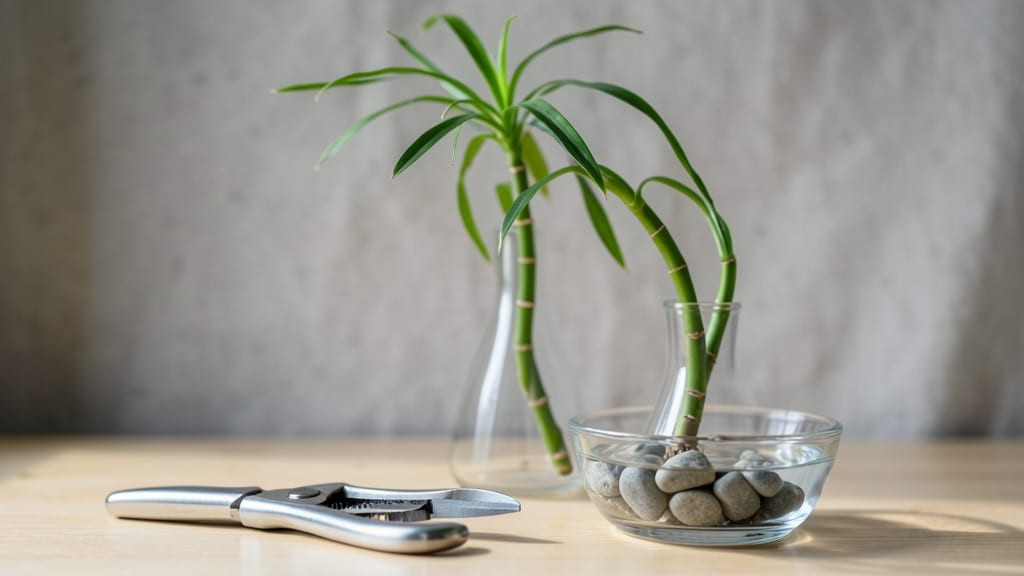
Pruning bamboo plants keeps them lush and contained—without it, you end up with a jungle of tangled canes and invasive roots. 🌱 I’ve wrestled with bamboo’s aggressive growth for years, and I finally cracked the system: three strategic cuts a year that transform wild, unruly plants into tidy, productive features.
The key isn’t just when you cut, but how—and I’ll show you the exact techniques that work for both clumping and running types.
You’ll need sharp pruners, gloves, and a clear morning for visibility—no fancy tools required. Running bamboo demands extra vigilance with root barriers, while clumping types stay neater with minimal trimming.
The first cut in late winter clears dead growth, the second in early summer encourages dense foliage, and the third in fall preps for dormancy. Each trim takes about 20-30 minutes for a medium-sized plant.
After pruning, your bamboo will bounce back with thicker stems and fuller fronds—no more leggy, sparse canes. The best part?
You’ll stop that creeping panic when you spot new shoots popping up where they shouldn’t. For running types, I’ll share how to bury barriers 12-18 inches deep to contain roots before they take over the yard.
This method works for bamboo in containers, borders, or even as a privacy screen—just adjust timing for your climate. Whether you’re dealing with stubborn runners or elegant clumpers, these cuts will keep your plants healthy and your garden in control. Let’s get those canes in shape!
📚 In This Guide
- What you need
- Instructions
- Tips and common mistakes
- Wrapping up and next steps
What you need
- ● Pruning shears or loppers: Choose bypass pruners (for clean cuts) or loppers (for thicker stems, up to 2 inches in diameter). Disinfect blades with rubbing alcohol to prevent disease spread.
- ● Garden gloves: Heavy-duty, cut-resistant gloves (e.g., Mechanix or Tiger Claw) to protect hands from sharp edges and sap.
- ● Sharp pruning saw: For stems thicker than 2 inches—opt for a curved-tooth saw to avoid splintering.
- ● Disposable pruning bags or bucket: A 5-gallon bucket or heavy-duty trash bags to collect debris (bamboo spreads quickly!).
- ● Hose or water source: A spray nozzle or garden hose to clean tools and rinse sap off cuts.
- ● Ruler or measuring tape: For marking 1/3 of the stem height from the base (key for balanced trimming).
- ● Mulch or compost: Shredded bark or well-aged compost (2–3 inches deep) to replenish soil after pruning.
- ● Root barrier fabric: If pruning running bamboo, keep landscape fabric (3–4 feet wide) handy to contain regrowth.
- ● Pruning sealant: Tree wound sealant (like Tanglefoot) for large cuts to prevent pests.
- ● Knee pads: For comfort if you’re working with ground-level bamboo (e.g., Black Diamond or Gorilla Grip).
- ● Safety goggles: Protect your eyes from debris, especially when sawing thick stalks.
- ● Labeling tags: If dividing bamboo, use biodegradable plant tags to track new clumps.
How to prune bamboo for controlled growth and health
Bamboo thrives with the right cuts at the right time. Here's my proven approach to keep your plants lush, contained, and flourishing year-round.
✂️ Step 1: Late Winter Dormancy Cutback (Cleanup Trim)
Start in late winter (just before new shoots emerge) when the plant is dormant. This is your annual reset—remove all dead or yellowed canes by cutting them at the base with clean, sharp pruners. I like to sterilize my blades with rubbing alcohol between cuts to prevent disease spread.
Look for canes that are hollow, brittle, or showing dark spots—these won't regrow properly. You'll know you're doing it right when you're left with only the thick, green canes that feel firm when squeezed. This trim also opens up airflow, reducing fungal risks like bamboo rust.
☀️ Step 2: Mid-Summer Growth Control (Height Management)
When your bamboo reaches 6-8 feet tall (or your desired height), make your first height control cut in mid-summer. Use your pruners to trim back the tallest canes to about 1/3 of their height, cutting just above a node (the small bump where leaves grow). This encourages bushier growth and prevents the plant from becoming top-heavy.
I always cut at a slight angle to prevent water from pooling on the cut. After trimming, step back and assess—you should see a balanced shape with no single cane dominating the plant. This is also when I fertilize lightly to support new growth after the cut.
🌿 Step 3: Fall Leaf and Branch Maintenance (Refinement Trim)
In early fall, focus on removing any yellowing or diseased leaves and any branches that are growing inward or crossing others. Use your pruners to make clean cuts at the branch collar (the swollen area where the branch meets the cane). This keeps the plant looking tidy and prevents future crowding.
Here's the thing—don't overdo it. Remove only about 10-15% of the foliage total. You'll notice new shoots emerging from the base within a few weeks, signaling the plant is ready for winter. This trim also helps the plant prepare for dormancy by reducing its energy output.
⏰ Step 4: Seasonal Check-Ins (Preventative Maintenance)
Throughout the year, do quick monthly checks for any canes that are growing at odd angles or rubbing against each other. These are candidates for removal to prevent damage. I like to use my fingers to gently bend canes—if they snap easily, they're weak and should be pruned immediately.
Watch for new shoots emerging from the base. If you see more than 3-5 strong shoots, thin them out to the healthiest ones. This prevents overcrowding and ensures your plant puts energy into quality growth rather than competing canes. A quick watering after pruning helps the plant recover faster.
Tips & tricks for perfect bamboo pruning
A few key strategies will help you keep your bamboo thriving after every trim—these are the secrets I've learned over years of growing lush, healthy plants.
Tool Preparation: Always sterilize your pruners between cuts, especially when working with bamboo. I use rubbing alcohol on a paper towel—this prevents spreading fungal diseases like bamboo rust that can weaken your plant. For large canes, I like to use a handsaw with a fine-tooth blade to avoid crushing the tissue.
Seasonal Timing: The late winter cleanup trim is your most important annual reset. Look for the first signs of new shoots emerging—this is your cue to act. If you miss this window, you risk encouraging weak growth from old, dormant canes. I mark my calendar for mid-February each year to stay on schedule.
Visual Cues for Healthy Canes: When assessing canes during your late winter trim, squeeze them gently. Healthy canes should feel firm and solid, while hollow or brittle ones will collapse easily. I also check for dark spots or mold—these are clear signs the cane is beyond saving and should be removed immediately.
Fertilizing After Pruning: After your mid-summer height control trim, give your bamboo a light feeding with a balanced fertilizer (10-10-10 works well). This supports the energy demands of new growth. I apply fertilizer just after trimming, then water thoroughly to help the plant recover. Avoid heavy fertilization in fall—it encourages tender growth that won't survive winter.
Pro Tips for Pruning Bamboo Plant
- A few key strategies will help you keep your bamboo thriving after every trim—these are the secrets I've learned over years of growing lush, healthy plants.
- Tool Preparation: Always sterilize your pruners between cuts, especially when working with bamboo.
- Seasonal Timing: The late winter cleanup trim is your most important annual reset.
Frequently asked questions
Got questions about keeping your bamboo thriving? Here are answers to the most common concerns—so you can prune with confidence and keep your bamboo lush all year!
When is the best time to prune bamboo?
The ideal times are early spring (just as new shoots emerge), late summer (to encourage fall regrowth), and winter (for dormant clumping types). Avoid pruning during extreme heat or cold—bamboo struggles to recover under stress. Pro tip: If you’re unsure, spring is the safest bet for most varieties!
How do I prune bamboo without killing it?
Never cut more than one-third of the plant at once—this prevents shock. Use sterilized, sharp pruners to make clean cuts just above a node (the bump where leaves grow). For running bamboo, focus on underground rhizomes to contain spread. Warning: Over-pruning weakens roots, so patience pays off!
Can I prune bamboo in winter?
Yes! Winter pruning works for dormant bamboo (like Fargesia or Phyllostachys), but avoid it in freezing climates—wait until temps rise above 32°F (0°C). For tropical bamboo, winter is a great time to shape or remove dead canes. Just avoid heavy cuts—save major trims for spring.
What if my bamboo keeps growing back after pruning?
That’s normal! Running bamboo (like Bambusa) spreads aggressively via rhizomes. To control it, dig up and remove underground stems or install a rhizome barrier. For clumping types, prune older canes (3+ years) to redirect energy to new growth. Patience is key: It may take 2–3 seasons to see full containment.
Are there alternatives to pruning bamboo?
If pruning feels overwhelming, try these low-maintenance fixes:
- Mulching: Smother weeds and slow rhizome spread with thick mulch (3–4 inches).
- Barriers: Bury a hard plastic or metal rhizome barrier 2–3 feet deep to block underground growth.
- Container Growing: Plant clumping bamboo in pots to limit spread entirely.
For running bamboo, regular digging (every 6–12 months) is often easier than pruning!
Wrapping up and next steps
Pruning bamboo isn’t just about keeping it tidy—it’s the key to vibrant, healthy growth year-round! 🌱 By mastering the spring cleanup, summer shaping, and fall maintenance trims, you’ll encourage thicker canes, lusher foliage, and better control over its spread.
With the right tools and timing, you’re well on your way to a thriving bamboo plant that’s both functional and beautiful.
Ready to take the next step? Grab your pruners and schedule your first trim—your bamboo will thank you with lush, energetic growth! For extra confidence, bookmark this guide or share it with fellow gardening enthusiasts. Happy pruning!