
Planting
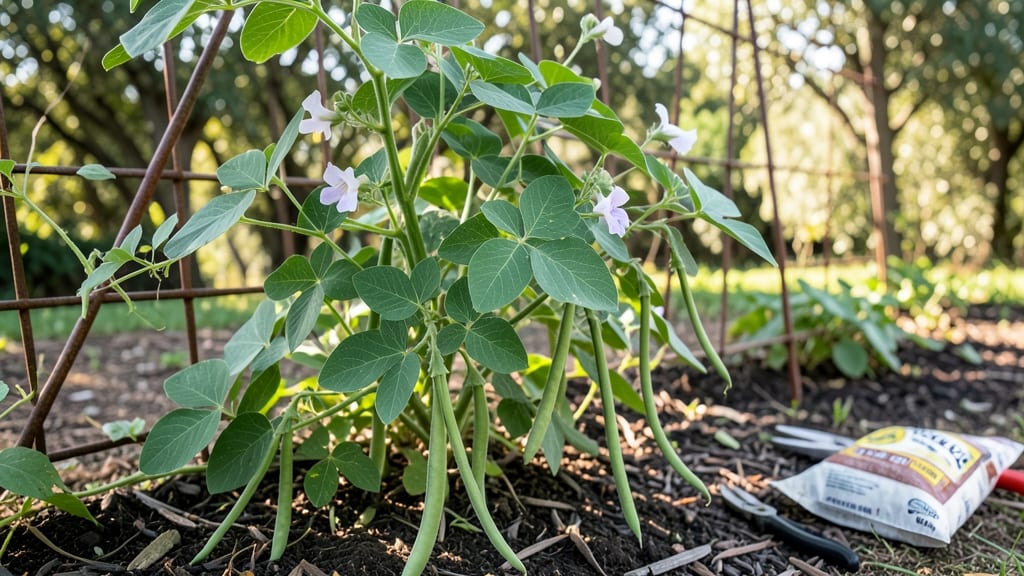
Growing a bean stalk plant from seed to harvest in just 60 days is one of the fastest rewards in gardening. I still remember the first time I watched those tiny tendrils climb my trellis—it felt like watching a plant grow before my eyes.
The secret isn’t just speed, though; it’s the way fresh-picked beans taste like nothing store-bought can match.
You’ll need a sunny spot with at least 6 hours of light daily, a trellis or sturdy fence for climbing varieties, and soil that drains well but stays moist.
Pole beans like Kentucky Wonder or Blue Lake grow taller and produce more, while bush varieties like Blue Lake Bush take up less space. The key is consistency—water deeply when the top inch of soil feels dry, and watch those vines take off.
By mid-summer, you’ll be harvesting pounds of beans with minimal effort. The plants self-support once established, and the more you pick, the more they produce. Even my first attempt last year gave me enough for fresh eating and freezing—no fancy equipment needed, just patience and a little space.
Works for small patios, raised beds, or backyard corners. Whether you’re growing for meals or just the thrill of watching them climb, this is one plant that delivers fast and keeps giving all season. Let’s get those seeds in the ground!
📚 In This Guide
- What you need
- Instructions
- Tips and common mistakes
- Wrapping up and next steps
What you need
- ● Seeds: 10–20 pole bean seeds (varieties like 'Kentucky Wonder' or 'Blue Lake' work great!)
- ● Growing Containers or Garden Bed: For containers: 5-gallon pots or larger with drainage holes (2–3 plants per container)
- ● For ground planting: A sunny spot (6+ hours of light) with well-draining soil
- ● Support Structure: 6–8 ft tall trellis, bamboo stakes, or a sturdy fence (beans love to climb!)
- ● Potting Mix or Soil: Light, fertile soil with compost (or a 50/50 mix of garden soil and compost)
- ● Watering Can or Hose: With a gentle spray nozzle for even moisture
- ● Pruning shears (for trimming excess growth)
- ● Organic fertilizer (balanced 10-10-10 or compost tea)
- ● Mulch (straw or shredded leaves to retain moisture)
- ● Plant labels (to track varieties if growing multiple types)
How to grow bean stalk plants quickly in your garden
Here's the straightforward method I use to get bushy, productive bean vines in just a few weeks.
Choose the Right Variety and Plant at the Correct Time
Pick a fast-maturing variety like 'Blue Lake' or 'Kentucky Wonder'—they produce edible pods in as little as 50-60 days from planting. Beans thrive in warm soil, so wait until after your last frost date when soil temperatures reach at least 60°F. I always test soil warmth by placing the back of my hand near the ground; if it feels warm to the touch, it's ready.
Start seeds indoors 4-6 weeks before the last frost if your growing season is short, or plant directly in the garden after soil warms. I prefer direct sowing for beans because they dislike transplanting. Plant seeds 1 inch deep and 3 inches apart in rows spaced 18-24 inches apart. This spacing gives vines room to spread without overcrowding.
Provide Support and Ensure Proper Watering
Beans need vertical support to grow quickly and produce heavy yields. Install 5-6 foot tall trellises, stakes, or strong fencing near planting rows before vines begin climbing. I use 4-foot bamboo stakes tied with soft twine—it’s sturdy and easy on tender vines. Plant seeds close to the support so they can grab hold as soon as they sprout.
Water deeply once a week during dry spells, aiming for 1 inch of water per week. Beans are drought-tolerant but won’t produce well if stressed. You’ll know watering is right when the soil feels moist 2 inches down—stick your finger in to check. Avoid wetting the leaves to prevent fungal diseases like rust or powdery mildew.
Fertilize Lightly and Monitor for Pests
Beans are legumes, which means they fix their own nitrogen, so don’t over-fertilize. A light application of balanced fertilizer (10-10-10) at planting is enough. I skip additional feedings unless the leaves turn pale yellow, which signals nitrogen deficiency. Too much fertilizer leads to lush foliage but fewer pods.
Watch for bean beetles, aphids, or Japanese beetles—they love munching on young leaves. I handpick beetles in the morning when they’re sluggish and drop them into soapy water. For aphids, spray a strong stream of water to knock them off. If vines look stressed, check the undersides of leaves for tiny pests.
Harvest Regularly for Continuous Production
Start harvesting when pods are 4-6 inches long and firm but still tender. I pick every 2-3 days to encourage more production—beans produce faster when you remove ripe pods. Use sharp scissors or pinch stems to avoid damaging the plant. Harvest in the morning when pods are crispest and flavor is at its peak.
Leave a few pods on the vine to mature and dry for seed saving if you want to grow your own next year. The vines will naturally slow production as pods mature, so focus on harvesting young pods for the freshest flavor. With regular picking, you’ll get weeks of continuous harvests from a single planting.
Extend the Season with Succession Planting
For a fast, never-ending supply, plant new seeds every 2 weeks after the first harvest. This works best in warm climates or with short-season varieties. I plant my last batch in early summer so the vines mature before fall frost. In cooler areas, use row covers to extend the season by 2-3 weeks.
Pull up vines when pods stop producing or after the first frost. Compost the remaining plant material—it’s nutrient-rich and adds organic matter to the soil. With this method, I’ve had fresh beans from early summer well into fall, even in shorter growing seasons.
Tips & tricks for fast-growing bean stalk plants
A few simple tricks can make all the difference when growing bushy, productive bean vines in record time.
Timing is Everything: The 50-60 day maturity window for fast varieties like 'Blue Lake' or 'Kentucky Wonder' is only achievable when you plant at the right time. I've found that starting seeds indoors 4-6 weeks before your last frost date gives them a head start, but only do this if your growing season is short. In warmer climates, direct sowing after soil reaches 60°F works perfectly. The key is to have young plants ready to climb as soon as temperatures consistently stay above 60°F.
Support System Matters: Don't wait until vines are climbing to install support—set up your 5-6 foot tall trellises or 4-foot bamboo stakes right when you plant. I tie soft twine to the stakes at 12-inch intervals to create a climbing path. Plant seeds within 6 inches of the support so they can grab hold immediately. This prevents tangled vines and maximizes space in your garden, which is especially important when you're aiming for that fast, never-ending supply.
Watering Wisdom: Beans are surprisingly drought-tolerant, but that doesn't mean you should neglect them. The once-a-week deep watering rule works best when you aim for 1 inch of water per week. I check soil moisture by sticking my finger 2 inches down—if it feels dry, that's your watering cue. The morning is always the best time to water, as it gives leaves plenty of time to dry before evening, reducing the risk of fungal diseases like rust or powdery mildew that can slow down your fast-growing plants.
Harvesting Hack: The 2-3 day harvesting schedule is non-negotiable if you want continuous production. When pods reach 4-6 inches and are firm but still tender, snip them with sharp scissors or pinch stems cleanly. Morning harvests yield the crispest pods, and regular picking actually stimulates more production. I've found that leaving just 2-3 pods per vine to mature for seed saving doesn't affect the overall yield—it's a small trade-off for fresh beans all season long.
Pro Tips for Bean Stalk Plant
- A few simple tricks can make all the difference when growing bushy, productive bean vines in record time.
- Timing is Everything: The 50-60 day maturity window for fast varieties like 'Blue Lake' or 'Kentucky Wonder' is only achievable when you plant at the right time.
- Support System Matters: Don't wait until vines are climbing to install support—set up your 5-6 foot tall trellises or 4-foot bamboo stakes right when you plant.
Frequently asked questions
Got questions about growing bean stalk plants? You’re not alone!
Here are some of the most common queries—plus quick, actionable answers to help you cultivate a thriving vine garden with ease.
How long does it take for bean stalk plants to grow?
Most edible bean stalk varieties (like pole beans or yard-long beans) sprout in 5–10 days and reach harvestable height (6–12 feet) in 4–8 weeks, depending on the variety and growing conditions. Fast-growing types like Scarlet Runner beans may take slightly longer but produce stunning flowers too!
What’s the best temperature for growing bean stalk plants?
Bean stalks thrive in warm soil (60–85°F) and prefer daytime temps between 70–90°F. Avoid planting until after the last frost—cold soil can stunt growth. If your climate cools early, opt for heat-tolerant varieties like ‘Contender’ or ‘Kentucky Wonder’ beans.
Can I grow bean stalk plants in containers?
Use a large container (at least 12–18 inches deep) with drainage holes and a trellis or sturdy stake. Dwarf varieties like ‘Blue Lake Bush’ (though technically a bush bean) or compact pole beans work well. Just ensure the pot stays consistently moist—containers dry out faster than garden beds.
Why are my bean stalk leaves turning yellow or spotted?
Yellowing leaves often signal overwatering or fungal diseases like rust or powdery mildew. Improve airflow by spacing plants 3–4 inches apart and avoid wetting foliage when watering. Spotted leaves? Check for pests like bean beetles—handpick them or use neem oil for organic control.
What can I plant alongside bean stalk plants for a companion garden?
Bean stalks pair beautifully with corn, cucumbers, and squash (the "Three Sisters" trio), but avoid planting near onions, garlic, or fennel—they stunt growth. Marigolds and nasturtiums deter pests, while radishes act as early-season markers. Just give vines plenty of space to climb!
Wrapping up and next steps
Growing a bean stalk plant in your home garden is a rewarding way to enjoy fresh, nutritious greens while adding a touch of whimsy to your space! 🌱 These fast-growing vines are perfect for beginners and seasoned gardeners alike—just provide them with a sturdy trellis, consistent care, and a little patience.
Whether you’re harvesting tender shoots for salads or letting them climb into a lush, edible canopy, your garden will thrive with this versatile addition.
Ready to take the next step? Start small—plant a few seeds today and watch your green thumb grow! 🌿 For even more inspiration, explore companion plants or creative ways to use your harvest in the kitchen. Happy gardening!