
Propagation
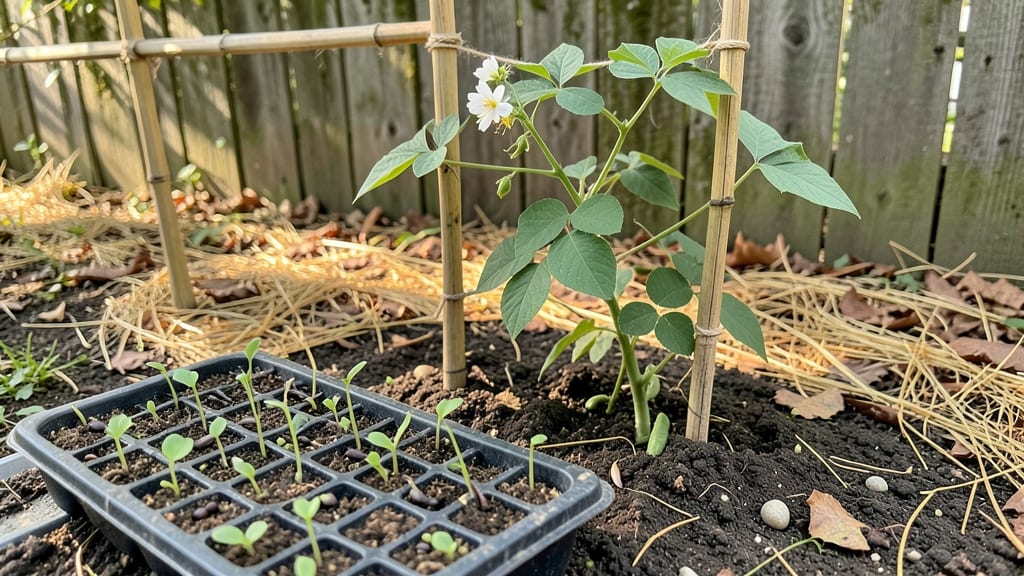
Planting kidney bean seeds in warm soil cuts germination time from weeks to days. ✨ I’ve watched those first green shoots break through the dirt in just 5-7 days when I nail the soil temperature—something most beginners miss.
The secret isn’t fancy equipment, just knowing when and how to prep the ground for speedy sprouts.
Start with soil that’s at least 60°F, which usually means waiting until after your last frost when daytime temps consistently hit 70°F. A simple soil thermometer (or your elbow—warm but not hot) tells you when it’s ready.
Plant seeds 1-2 inches deep, 3-4 inches apart in rows spaced 18 inches apart, and keep the soil moist but not soggy until germination.
What you’ll get is a lush, fast-growing patch of beans that climbs toward the sun within weeks. The leaves unfurl bright green, the vines thicken, and before you know it, you’re harvesting tender pods.
Even in containers, kidney beans thrive if you give them a 5-gallon pot or larger and stake them for support.
Here’s the kicker: if your seeds sit too long in cold soil, they’ll rot before sprouting. The fix is simple—wait for warmth, or use black plastic mulch to heat the soil faster. Once you master this, you’ll never buy bean plants again.
📚 In This Guide
- What you need
- Instructions
- Tips and common mistakes
- Wrapping up and next steps
What you need
- ● Kidney bean seeds: 10–20 seeds (choose heirloom or disease-resistant varieties like Black Turtle or Red Kidney for best results).
- ● Growing containers: Seed trays (4–6 inches deep) or
- ● Biodegradable pots (2–3 inches in diameter) for transplanting.
- ● High-quality potting mix: 2–3 gallons (sterile, well-draining mix with perlite or vermiculite for aeration).
- ● Warmth source: Heat mat (70–85°F range) or
- ● Sunny windowsill (south-facing) or
- ● Greenhouse or indoor grow lights (if starting early).
- ● Spray bottle (for gentle watering).
- ● Small hand trowel (for planting seeds 1–2 inches deep).
- ● Plastic wrap or humidity dome (to retain moisture during germination).
- ○ Fertilizer (optional): Balanced 10-10-10 or compost tea (apply after sprouts emerge).
- ○ Garden twine or stakes (optional): For trellising if growing pole varieties.
- ● 🌡️ Soil temp matters: Kidney beans germinate fastest in soil warmer than 70°F—use a heat mat if your climate is cool!
- ○ ✨ Pre-soak seeds: Soak overnight in warm water to kickstart germination (optional but helpful in dry climates).
- ● 🎯 Thin seedlings: Space mature plants 4–6 inches apart to prevent overcrowding.
Step-by-Step instructions for planting kidney bean seeds
Here's how to get those beans sprouting in record time using simple soil warmth tricks.
🌱 Step 1: Choose the Right Spot and Prep the Soil
Kidney beans thrive in warm soil, so pick a location that gets full sun—at least 6-8 hours daily. I like to plant them where the ground stays warm longest, like near a south-facing fence or patio. Avoid spots that stay cold or wet.
Loosen the top 6 inches of soil with a garden fork or tiller. Break up any clumps so the roots can push through easily. If your soil feels heavy or compacted, mix in 1-2 inches of compost from your materials list to improve drainage and fertility. The soil should crumble between your fingers when moist—not sticky or dry.
💧 Step 2: Soak the Seeds Overnight for a Head Start
Place 4 kidney bean seeds in a bowl and cover them with lukewarm water. Let them soak for 8-12 hours—this softens the outer shell and speeds up germination. I always check them in the morning to avoid over-soaking, which can rot the seeds.
After soaking, drain the water and let the seeds sit for another 30 minutes to dry slightly. This prevents them from slipping too much when planting. You’ll see the seeds swell slightly, which means they’re ready to go into the warm soil.
☀️ Step 3: Plant Deeply and Warm the Soil
Dig holes 1-2 inches deep—about 2-3 times the seed’s length. Drop 1 soaked seed into each hole and cover it with soil, pressing gently to secure it. Space the holes 4-6 inches apart in rows that are 18-24 inches apart. This gives the vines room to spread without crowding.
Here’s the secret for faster germination: cover the planted area with black plastic mulch (if you have it) or even a dark-colored tarp. The mulch traps heat and warms the soil to 70-80°F, which is perfect for kidney beans. Check the soil temperature with your finger—if it feels warm to the touch, you’re on the right track.
🌿 Step 4: Water and Monitor for Sprouts
Water the soil gently but deeply after planting to settle it around the seeds. Use 1 gallon of water per 10 square feet—enough to moisten the top 2 inches without creating puddles. Avoid wetting the seeds directly, as this can wash them away or cause rot.
Keep the soil consistently moist (not soggy) until the seeds sprout, which should happen in 5-10 days if the soil stays warm. You’ll see tiny green hooks break through the soil first—this is your signal that germination is working! Once sprouts appear, remove the mulch to prevent overheating.
⏰ Step 5: Thin and Support the Plants
When seedlings reach 2-3 inches tall, thin them so only the strongest plant remains in each hole. Snip the weaker ones at the base with scissors—this avoids disturbing the roots of the ones you’re keeping. You’ll end up with 4 healthy plants from your original batch.
As the vines grow, provide support with stakes or a trellis (if you have one). Kidney beans are climbers, and giving them something to grip will keep them upright and improve airflow, reducing the risk of disease. Watch for first flowers in about 4-6 weeks—that’s when you’ll know they’re ready to produce pods!
Tips & tricks for planting kidney bean seeds
Here's what I've learned to help your kidney beans sprout faster and stronger—no guesswork involved.
The Heat Factor: That 70-80°F soil temperature in Step 3 is your golden ticket to speedy germination. If your soil feels cool to the touch, place a dark-colored bucket filled with warm water near the planting area—it'll radiate heat onto the soil. I've even used old black garbage bags as makeshift mulch in a pinch, and they work surprisingly well.
Soaking Secret: Don't skip that 30-minute drying period after soaking! I learned this the hard way—over-soaked seeds can slip out of the holes when you plant them. The slight drying gives them just enough grip to stay put. Also, use lukewarm water (not hot) to avoid shocking the seeds.
Planting Precision: When digging those 1-2 inch holes in Step 3, make them just slightly wider than the seed—about 1/4 inch extra. This gives roots room to spread without fighting tight spaces. I use a pencil to mark planting spots first, then dig carefully to avoid disturbing the soil structure around them.
Watering Wisdom: In Step 4, focus on watering the soil around the seeds, not directly on them. I like to use a watering can with a narrow spout to aim just outside the planting holes. This keeps the seeds from getting displaced while ensuring the soil stays consistently moist. A light misting every other day often works better than heavy watering.
Pro Tips for Planting Kidney Bean Seeds
- Here's what I've learned to help your kidney beans sprout faster and stronger—no guesswork involved.
- The Heat Factor: That 70-80°F soil temperature in Step 3 is your golden ticket to speedy germination.
- Soaking Secret: Don't skip that 30-minute drying period after soaking!
Frequently asked questions
Got questions about planting kidney bean seeds?
You’re not alone! Whether you’re a beginner or just looking for quick tips, here are answers to the most common queries to help your beans sprout like a pro.
How warm does the soil need to be for kidney bean seeds to germinate?
Kidney beans thrive in soil that’s at least 60–65°F (15–18°C). If your soil is cooler, try planting in a black plastic mulch or a raised bed to trap warmth. Cold soil can delay germination for weeks—or even prevent it! Use a soil thermometer to check before planting.
How long does it take for kidney bean seeds to sprout?
Under ideal conditions (warm soil, moisture, and sunlight), kidney bean seeds typically sprout in 7–14 days. If you’re waiting longer than two weeks, check for consistent moisture and soil temperature. Overwatering or compacted soil can slow things down.
Can I plant kidney bean seeds indoors before transplanting outdoors?
Yes! Start seeds indoors 2–3 weeks before the last frost in biodegradable pots or peat pellets. Keep them in a warm spot (70–75°F) with bright light. Once seedlings have 2–3 true leaves, harden them off for 7–10 days before transplanting—but avoid transplanting if night temps drop below 50°F (10°C).
Why aren’t my kidney bean seeds germinating?
Common culprits include:
- Cold soil (below 60°F/15°C)—wait for warmer temps or use a heat mat.
- Dry soil—keep it consistently moist (not soggy) until sprouts appear.
- Old or damaged seeds—test viability by soaking a few in water; if they sink, they’re likely good.
- Poor drainage—beans rot in waterlogged soil.
Are there faster-growing kidney bean varieties for impatient gardeners?
Look for determinate varieties like ‘King of the Garden’ or ‘Early Gallatin,’ which mature in 50–60 days. For even quicker results, try soaking seeds overnight before planting—this can cut germination time by 2–3 days. Just remember, warmth is still key!
Wrapping up and next steps
Planting kidney bean seeds is a rewarding journey that starts with warm soil and patience—but the effort pays off with lush, thriving plants! 🌱 By choosing the right soil temperature, preparing your seeds properly, and giving them the care they need, you’ll unlock faster germination and healthier growth.
Whether you’re a beginner or a seasoned gardener, these steps make the process simple and successful.
Now that you’re ready to plant, take the next step—mark your calendar for the next warm spell, grab those seeds, and watch your garden come to life! Happy planting! 🌟