
Companion Plants
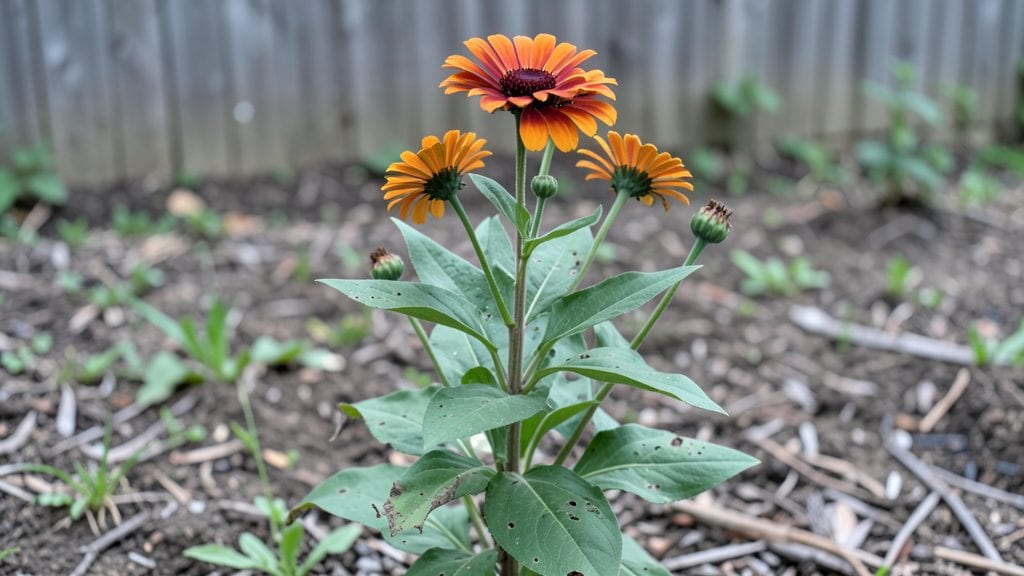
Beginner garden plants don’t need to be complicated—just pick the right ones. 🌱 I’ve watched first-timers grow confident after planting these five hardy varieties that practically grow themselves.
The secret? Choosing plants that forgive mistakes, thrive in average soil, and reward you fast with edible leaves, bright blooms, or fragrant stems.
Start with lettuce (harvest in 30 days), bush beans (no trellis needed), marigolds (repel pests naturally), chives (regrow from scraps), and zucchini (produces like crazy once established). These handle partial shade, irregular watering, and even forgetful gardeners.
Most need just 4-6 hours of sun daily and 1 inch of water per week—no fancy setups required.
You’ll be snipping fresh chives for sandwiches by May, picking crisp lettuce for salads by June, and watching zucchini vines explode with fruit by July. The best part? These plants look great and taste even better, proving you don’t need a green thumb to grow something amazing.
Works in containers, raised beds, or small backyard plots—no space excuses here. Let’s get those first plants in the ground before the season slips away!
📚 In This Guide
- What you need
- Instructions
- Tips and common mistakes
- Wrapping up and next steps
What you need
- ● Beginner-friendly plants: 3-5 easy-to-grow varieties (e.g., basil, lettuce, marigolds, sunflowers, or cherry tomatoes). Start with 3-5 plants to avoid overwhelm.
- ● Containers or garden bed: For pots: 5-gallon containers (1 per plant) with drainage holes.
- ● For in-ground: A small plot (3’x3’ or larger) with loose, well-draining soil.
- ● Potting mix: 1 bag of high-quality organic mix (avoid garden soil—it’s too dense!).
- ● Seeds or seedlings: Seeds: Fast-growing varieties (e.g., radishes, beans, or zucchini) for quick rewards.
- ● Seedlings: 3-5 healthy starts from a nursery (check for strong stems and vibrant leaves).
- ● Watering can or hose: A 1-gallon watering can with a gentle spray nozzle (or a hose with a soaker attachment).
- ● Fertilizer: A balanced, slow-release granular fertilizer (e.g., 10-10-10) or organic options like compost or worm castings.
- ● Gloves & kneeling pad: A pair of gardening gloves (cotton or nitrile) and a kneeling pad for comfort.
- ● Hand trowel: A 5-inch stainless steel trowel for digging and transplanting.
- ○ Pruning shears: Small, sharp shears for trimming (optional but handy!).
- ● Mulch: Straw or shredded leaves to retain moisture and suppress weeds.
- ● Plant labels: Wooden or metal stakes to track what you’ve planted.
- ● Sunlight meter: A $10 app or device to check light conditions (full sun = 6+ hours/day).
- ● Companion plant guide: A chart or book to pair plants (e.g., basil + tomatoes).
- ● Shade cloth: Lightweight fabric to protect seedlings from harsh sun.
Step-by-Step guide to growing beginner-friendly garden plants
Start with these four resilient varieties—each thrives with minimal fuss and rewards you fast.
🌱 Step 1: Select and Prepare Your Plant Choices
Choose radishes (fastest harvest), lettuce (cut-and-come-again), bush beans (compact growth), and marigolds (pest-deterring). Radishes and lettuce tolerate cooler weather, while beans and marigolds prefer warmth. I always start with seeds—except marigolds, which I buy as transplants for instant color and pest control.
Soak radish and bean seeds overnight in lukewarm water to soften their outer shells and speed germination. Lettuce seeds don’t need soaking, but a light sprinkle of compost tea boosts early vigor. Marigolds arrive ready to plant, so focus on amending their soil with 2 cups of aged compost per planting hole.
💧 Step 2: Plant in Well-Drained Soil with Proper Spacing
Work 1 inch of compost into the top 6 inches of soil for each plant type. Radishes and lettuce need loose, crumbly soil—they resent compaction. Use a trowel to create ½-inch-deep furrows for radish and lettuce seeds, spacing rows 12 inches apart. Drop seeds every 1 inch—they’ll germinate in 3-7 days if soil stays 60-70°F.
For bush beans, plant seeds 1 inch deep in hills spaced 18 inches apart, with 3 seeds per hill. Marigolds go in 1-gallon pots or directly in the garden 12 inches apart. Water immediately after planting—radishes and lettuce need consistent moisture, while beans and marigolds prefer slightly drier soil once established.
☀️ Step 3: Manage Light and Water for Optimal Growth
Radishes and lettuce thrive in partial shade (3-4 hours of morning sun), while beans and marigolds crave full sun (6+ hours daily). If your garden lacks afternoon sun, prioritize the lettuce and radishes in shadier spots—they’ll still produce, just slower. You’ll know they’re happy when radish leaves stay crisp and lettuce forms tight rosettes.
Water every other day in dry weather, keeping the top 2 inches of soil consistently moist for radishes and lettuce. Beans and marigolds need water only when the soil feels dry 1 inch down. Overwatering beans causes blossom end rot, so I always check soil moisture before watering. Mulch with 1 inch of straw to retain moisture and suppress weeds.
✂️ Step 4: Harvest and Maintain for Continuous Yields
Radishes are ready in 3-4 weeks—pull them when they reach 1 inch in diameter (larger ones get woody). Lettuce can be harvested leaf by leaf, pinching outer leaves when they reach 3 inches. For beans, pick pods when they’re 4-5 inches long and firm to encourage more production. Marigolds self-seed prolifically, so deadhead spent blooms if you want to control where new plants appear.
Fertilize lightly every 4 weeks with ½ cup of 5-10-10 fertilizer per 10-foot row. Too much nitrogen makes lettuce bolt (go to seed) or beans leafy but fruitless. Watch for pests: marigolds deter aphids and whiteflies, but I still inspect leaves weekly for holes or chewed edges—early action prevents outbreaks.
Tips & tricks for perfect beginner garden plants
These game-changing strategies will help you avoid common pitfalls and maximize your harvest with these four resilient plants.
Soil Temperature Matters: The 60-70°F soil temperature range in Step 2 is critical for germination. If your soil feels cooler than 60°F, cover the planting area with a clear plastic sheet for a few days to create a mini greenhouse effect. Radishes and lettuce seeds won't germinate below 50°F, so wait until soil warms up if you're planting early spring or late fall. A soil thermometer is your best friend here—it's worth the $10 investment to avoid frustration.
Planting Precision for Bush Beans: When creating those 1-inch-deep hills for bush beans in Step 2, make them slightly larger than the spacing calls for—about 2 inches wide at the base. This gives roots room to establish without competing with neighboring plants. I've learned the hard way that cramped beans produce fewer pods, so give them space to spread their roots. The extra inch of width makes all the difference in yield.
Watering Wisdom for Different Plants: The every-other-day watering schedule in Step 3 works perfectly for radishes and lettuce, but beans and marigolds have different needs. For beans, I check moisture by pushing my finger 1 inch into the soil—if it's dry, water deeply. Marigolds actually prefer slightly drier conditions once established, so I water them only when the top 2 inches feel completely dry. This prevents the common mistake of overwatering all plants equally.
Harvest Timing is Everything: Those 3-4 weeks for radishes might seem like a long wait, but they're actually ready much sooner if you check weekly. I start testing radishes at 2 weeks by gently pulling one—if it's about pencil-sized (½ inch), it's ready. For lettuce, harvest outer leaves when they reach 3 inches to encourage continuous growth. The key is consistency: check your plants every 3-4 days during their prime growing periods to catch them at peak harvest time.
Pro Tips for Beginner Garden Plants
- These game-changing strategies will help you avoid common pitfalls and maximize your harvest with these four resilient plants.
- Soil Temperature Matters: The 60-70°F soil temperature range in Step 2 is critical for germination.
- Planting Precision for Bush Beans: When creating those 1-inch-deep hills for bush beans in Step 2, make them slightly larger than the spacing calls for—about 2 inches wide at the base.
Frequently asked questions
Got questions about starting your beginner garden? You’re not alone! Here are some of the most common concerns—and straightforward answers—to help you grow with confidence.
What are the easiest plants for a beginner to grow?
Stick to low-maintenance plants like lettuce, radishes, bush beans, zucchini, or marigolds. These thrive in most conditions, forgive occasional neglect, and produce fast results. Herbs like basil and mint are also great for patience-testing beginners!
When is the best time to plant these beginner-friendly crops?
Timing depends on your climate, but a general rule is to plant cool-season crops (like lettuce or peas) in early spring or fall, and warm-season crops (like tomatoes or zucchini) after the last frost when soil is at least 60°F. Check your local frost dates or use a planting calendar for precision.
How often should I water my beginner plants?
Most beginner plants need about 1 inch of water per week, either from rain or manual watering. New seedlings or container plants may need daily checks—stick your finger in the soil; if the top inch feels dry, it’s time to water. Morning watering is best to reduce evaporation and fungal risks.
What should I do if my plants get pests or diseases?
Don’t panic! Start with prevention: healthy soil, proper spacing, and regular checks. For pests, try neem oil or introduce beneficial insects like ladybugs. Mild diseases? Remove affected leaves and improve airflow. If problems persist, research organic solutions or consult a local gardening group.
Can I grow these plants in containers or only in the ground?
Many beginner plants—like herbs, lettuce, and cherry tomatoes—thrive in containers. Just ensure pots have drainage holes and use a lightweight potting mix. For root vegetables (like carrots or potatoes), opt for deeper containers (at least 12 inches). Containers let you garden on patios, balconies, or even windowsills!
Wrapping up and next steps
Starting your first garden doesn’t have to be intimidating—with the right beginner garden plants, even the smallest green thumb can thrive! 🌱 From hardy herbs like basil to low-maintenance veggies such as lettuce, these picks are designed to reward patience with bountiful harvests.
Remember, every expert gardener began with their first seedling, so embrace the learning curve and celebrate small victories along the way.
Ready to dive in? Start small—pick 2-3 plants from our list, gather your supplies, and give it a try! Whether you’re planting in pots or a patch of soil, your garden journey begins with a single seed. Happy growing! 🌿