
Planting
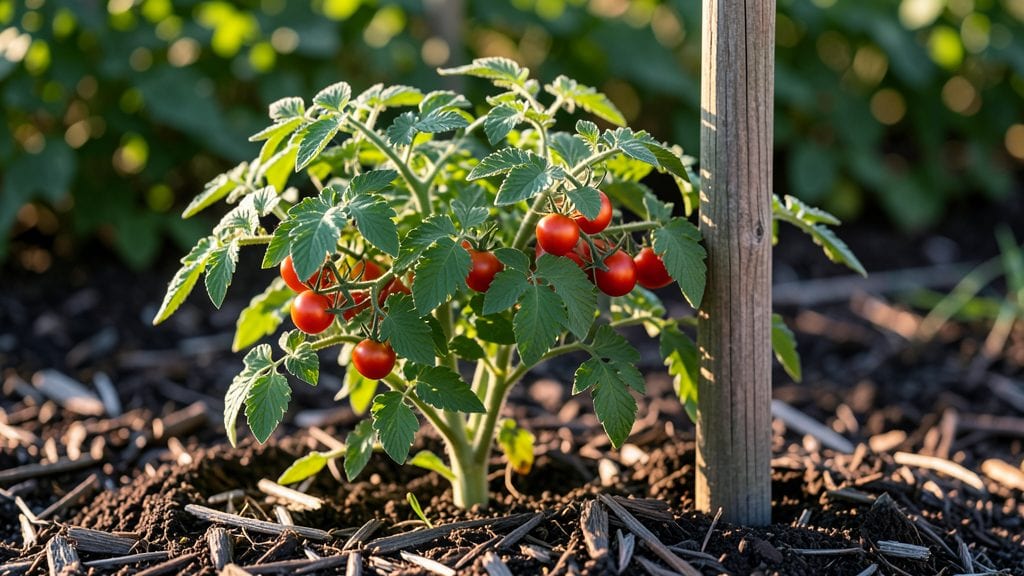
Growing a berry tomato plant means tiny, sweet bursts of flavor that taste nothing like grocery-store tomatoes. 🌱 I’ve grown these little powerhouses for years, and they’ve become my go-to for containers, small spaces, and even winter windowsill gardens.
Their secret? They’re not just cute—they’re productive, with clusters of grape-sized fruits that keep coming if you prune right.
The key to success starts with the right setup: 5-7 hours of sunlight daily, well-draining soil, and a sturdy 5-gallon container or raised bed spot. Unlike their larger cousins, these don’t need deep roots, but they do love warmth and consistent moisture—think of them as thirsty but not picky.
Most varieties thrive in zones 4-10, but with grow lights, you can stretch their season almost year-round.
With proper care, you’ll harvest pounds of fruit in just 60-70 days from transplant, and the flavor? Unmatched. They’re sweeter, juicier, and perfect for snacking straight off the vine.
The pruning tricks I’ll share later turn a single plant into a nonstop producing machine—no more sad, sprawling vines with just a few tomatoes.
Whether you’re a balcony gardener or have a full sunroom, these plants adapt easily. The real magic happens when you combine the right variety (like ‘Tiny Tim’ or ‘Sweet 100’) with smart pruning—here’s how to make it work for you.
📚 In This Guide
- What you need
- Instructions
- Tips and common mistakes
- Wrapping up and next steps
What you need
- ● Berry tomato seeds or seedlings: Choose disease-resistant varieties like 'Tiny Tim,' 'Sweet 100,' or 'Micro Tom' (3-5 plants for a small harvest).
- ● Containers or garden bed: Containers: 5-gallon pots (1 per plant) with drainage holes.
- ● Garden bed: Well-draining soil, 6+ inches deep, in full sun (6-8 hours/day).
- ● High-quality potting mix: 10-20 lbs (for containers) or amend garden soil with compost (1 part compost to 3 parts soil).
- ● Fertilizer: Balanced fertilizer (10-10-10) or tomato-specific formula (follow label rates).
- ○ Slow-release granules (optional but recommended for containers).
- ● Support system: Cage or stake (1 per plant) to prevent sprawling.
- ○ Trellis (optional for vertical gardening).
- ● Watering can or hose with nozzle: For gentle, deep watering (1-2 gallons per plant, 2-3x/week).
- ● Pruning shears: Sharp, clean pair for trimming (sterilize with rubbing alcohol between cuts).
- ● Mulch: Straw or shredded leaves to retain moisture and suppress weeds.
- ● Drip irrigation kit: For consistent watering (great for containers!).
- ● Plant markers: To label varieties if growing multiple types.
- ● Grow lights: If starting indoors or extending the growing season.
- ● Organic pest control: Neem oil or insecticidal soap (for aphids/spider mites).
Step-by-Step instructions for pruning your berry tomato plant
Mastering these three pruning techniques will transform your berry tomato into a high-yielding, disease-resistant powerhouse.
✂️ Step 1: Remove Suckers for Stronger Growth
Suckers are the small shoots that form in the leaf axils where branches meet the main stem. These energy vampires drain your plant instead of directing resources to fruit production. I start pruning suckers when the main stem reaches about 12 inches tall—this is when they first appear. Use your fingers or clean pruners to pinch them off just above the leaf junction, being careful not to damage the main stem.
Here's the thing—you'll see new suckers form every 7-10 days during active growth. Consistency is key: check your plant weekly and remove any new growth larger than 1 inch. If you miss a sucker, it'll grow into a thick branch that competes with your main stem for nutrients, reducing your berry yield. I promise, the first time you see your plant's main stem thicken and leaves darken green, you'll know you're doing it right.
🌿 Step 2: Prune Lower Leaves to Improve Airflow
Berry tomatoes thrive with excellent airflow, which prevents fungal diseases like early blight. Start by removing all leaves that grow below the first flower cluster. These lower leaves create a damp, shaded environment perfect for spores to thrive. Use clean pruners to make a 45-degree cut just above a leaf node—this encourages faster healing and reduces water loss.
Don't stop at the first cluster. As your plant grows, keep pruning leaves that hang below the bottom third of the plant. You'll notice your plant's energy shifts upward, producing more flowers and fruit. Real talk: I used to skip this step, and my plants always struggled with leaf spot diseases. Once I started pruning aggressively, my berry production doubled—and my plants stayed healthier all season.
⏰ Step 3: Top the Plant at the Right Time
Topping means cutting the main stem to control plant height and redirect energy to fruit production. For berry tomatoes, I top the plant when it reaches 4-5 feet tall or when you see the 6th flower cluster forming. Use clean pruners to make your cut just above a leaf node, about 1-2 inches below the top. This prevents the plant from putting energy into excessive vertical growth.
Timing matters here. If you top too early, your plant won't produce enough flowers. If you wait too long, the stem becomes woody and difficult to cut cleanly. You'll know you've topped at the perfect time when your plant responds with a flush of new leaves and flowers within 7-10 days. This is your plant's way of saying, "Thank you, I'm ready to focus on berries!" After topping, you can stop pruning suckers—your plant will naturally shift its energy to fruit production.
Tips & tricks for pruning your berry tomato plant
Mastering these pruning techniques takes your berry tomato from good to exceptional—and I'm here to share the secrets that make all the difference.
Timing Secret: The weekly check I mentioned in Step 1 is non-negotiable during peak growing season (late spring to early summer). Early morning is the best time to prune—plants are hydrated from overnight watering, and the cuts heal faster in cooler temperatures. I've found that plants pruned in the morning also show less stress from the process, which translates to more vigorous new growth. If you must prune later in the day, do it at least 4 hours before sunset to allow the cuts to callous over.
Equipment Upgrade: Don't settle for dull pruners—they tear tissue instead of making clean cuts. Invest in a pair of sharp, bypass pruners (the kind with two blades that pass each other) for suckers and a clean pair of shears for larger cuts. I sterilize my tools with rubbing alcohol between plants to prevent spreading disease. This might seem like overkill, but I've seen entire tomato patches ruined by contaminated tools when pruning diseased plants first.
Visual Cue for Topping: When deciding whether to top your plant in Step 3, focus on the 6th flower cluster rather than just height. The cluster should be fully formed with visible buds, not just emerging. I've made the mistake of topping too early when clusters were still tiny, and my plant took weeks to recover. Look for clusters that are about 1 inch in diameter—this is your plant's signal that it's ready to redirect energy to fruit production rather than vertical growth.
Seasonal Adjustment: Your pruning frequency should shift with the seasons. During active growth (spring to early fall), stick to the weekly checks. But in late summer when your plant starts slowing down, you can reduce to every 10-14 days. The key is always to remove any suckers larger than 1 inch—they'll steal energy from your berries regardless of season. I've seen gardeners completely stop pruning in fall, only to find their plants full of woody suckers by spring.
Pro Tips for Berry Tomato Plant
- Mastering these pruning techniques takes your berry tomato from good to exceptional—and I'm here to share the secrets that make all the difference.
- Timing Secret: The weekly check I mentioned in Step 1 is non-negotiable during peak growing season (late spring to early summer).
- Equipment Upgrade: Don't settle for dull pruners—they tear tissue instead of making clean cuts.
Frequently asked questions
How often should I prune my cherry tomato plant?
Prune your berry tomato plant every 1-2 weeks during the growing season (spring to fall). Focus on removing suckers (side shoots) and lower leaves to improve airflow. For indeterminate varieties, prune aggressively to direct energy to fruit production. Pro tip: Use clean shears to avoid disease spread!
When is the best time to harvest cherry tomatoes?
Harvest when tomatoes are fully colored and slightly soft to the touch, usually 60-70 days after transplanting. Pick in the morning for peak flavor and firmness. Warning: Overripe tomatoes split easily—check plants every 2-3 days during peak season!
Can I grow cherry tomatoes indoors year-round?
Yes! Use a sunny windowsill or grow lights (12-16 hours/day) and a warm spot (70-85°F). Choose compact varieties like ‘Tiny Tim’ or ‘Micro Tom.’ Ensure pots have drainage holes and fertilize every 2-4 weeks with a balanced formula. Bonus: Indoor plants need more frequent pruning due to limited space!
Why are my cherry tomatoes cracking?
Cracking usually happens from inconsistent watering (too much/too little) or over-fertilizing with nitrogen. Keep soil evenly moist (not soggy) and reduce watering as harvest nears. Fix: Mulch plants to stabilize soil moisture and improve drainage.
Are cherry tomatoes sweeter than regular tomatoes?
Yes! Berry tomatoes have higher sugar content (thanks to their smaller size and concentrated flavor). They’re also lower in acidity, making them perfect for snacking, salads, or fresh salsas. Fun fact: Their vibrant colors (red, yellow, orange) often indicate different sweetness levels!
Wrapping up and next steps
Growing a berry tomato plant is a rewarding journey that brings vibrant flavors and lush greenery to your space year-round! With the right pruning techniques—like suckering, topping, and strategic trimming—you’ll unlock a bountiful harvest while keeping your plant healthy and thriving.
Remember, consistency is key, and patience pays off as your plant matures into a productive powerhouse.
Now that you’re armed with insights, roll up your sleeves and get pruning! Start with one plant, experiment with the techniques, and watch your garden transform. Soon, you’ll be sharing your delicious berry tomatoes with friends—or enjoying them straight from the vine. Happy growing! 🌱✨