
Companion Plants
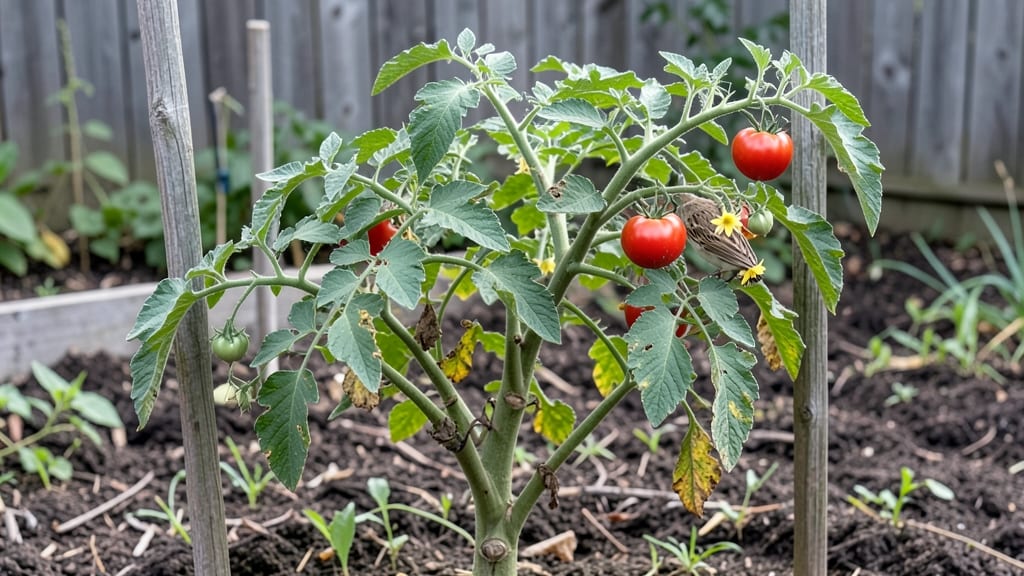
My tomato plants kept getting raided by birds until I planted these three herbs that act like a natural deterrent. 🌿 The moment I added basil, oregano, and thyme around my plants, the birds lost interest—no more pecked tomatoes or trampled seedlings.
Birds go for ripe tomatoes because they’re sweet and easy to grab, but they avoid herbs with strong scents. These plants release fragrances that mask the tomato smell while adding flavor to your kitchen.
The best part? You don’t need fancy setups—just tuck them into the soil around your tomato patch.
Within a week, you’ll notice fewer bird visits and healthier plants. The herbs also improve soil health and repel other pests like aphids. Your tomatoes will ripen undisturbed, and you’ll still get fresh herbs for cooking—it’s a win-win.
Works in containers or in-ground gardens, and the herbs thrive in the same conditions as tomatoes. No more losing your harvest to feathered thieves—just a simple, effective fix that keeps everyone happy.
Why Feathers Become Foes
Tomato plants are a gardener’s treasure—until feathered visitors turn them into a buffet. 🦜🍅 While birds may seem harmless, their attraction to your tomato garden isn’t just about curiosity. It’s a mix of biology, ecology, and even human gardening habits.
Understanding why birds target your plants is the first step to keeping your harvest safe. Here’s the science behind their snacking sprees:
Tomato plants emit volatile organic compounds (VOCs) that signal ripeness to birds. These chemical cues—especially from red, ripe fruit—are irresistible to many species, including robins, sparrows, and starlings. Birds rely on bright colors and sweet aromas to locate easy meals, and tomatoes fit the bill perfectly.
- Actionable fix: Harvest tomatoes as soon as they ripen to remove the scent signal. Use green tomato cages or yellow netting to mask the fruit until you’re ready to pick.
- Pro tip: 💡 Plant white or green tomato varieties (like ‘Green Zebra’ or ‘White Queen’) to reduce visual appeal to birds.
Birds thrive in gardens because they’re often free from their usual predators—cats, hawks, or owls. Urban and suburban areas provide plenty of food with minimal risk, making your tomato patch a prime target. Without natural checks, bird populations can explode, turning your garden into an all-you-can-eat zone.
- Actionable fix: Introduce bird deterrents like wind spinners, reflective tape, or even a decoy owl (though the latter works best with movement).
- Pro tip: 🌡️ Install a bird bath far from your tomato plants—birds that are hydrated and comfortable are less likely to raid your crops.
Birds aren’t just after the shiny red tomatoes—they’re also drawn to overripe or rotting fruit on the ground. Once a tomato splits or bruises, it releases sugars and fermented scents that birds detect from a distance. A single fallen tomato can trigger a flock to descend.
- Actionable fix: 🔥 Pick up all fallen tomatoes daily (even green ones) and compost them far from your garden. Use tomato cages with netting to prevent fruit from touching the soil.
- Pro tip: ✨ Spread crushed eggshells or coffee grounds around the base of plants—the gritty texture deters birds from landing.
While herbs like basil, marigolds, and garlic repel some pests, they don’t always deter birds—especially if the birds aren’t used to their scent. Birds often ignore these plants unless they’re consistently exposed to them in their natural habitat.
Without a strong, established presence, your companion plants might not be enough to keep birds away.
- Actionable fix: 👨🍳 Plant dense rows of bird-repelling herbs (like dill, rosemary, or thyme) around the perimeter of your tomato patch. The stronger the scent barrier, the more effective it becomes.
- Pro tip: 🎯 Add physical barriers like floating row covers over young plants until they’re established—birds won’t bother what they can’t reach.
Birds aren’t the enemy—they’re just following their instincts. The key is to outsmart their foraging habits with scent masking, physical barriers, and quick harvests. Next up: The Best Herbs to Keep Birds Away.
Quick Fixes for Bird-Proof Gardens
Birds may see your tomato plants as an all-you-can-eat buffet, but with the right strategies, you can turn them into a no-fly zone. Below are practical, step-by-step solutions tailored to the most common reasons birds target your plants—plus prevention tips to keep your harvest safe long-term.
If birds are pecking at ripe tomatoes, visual and auditory distractions work wonders. These methods are humane, cost-effective, and easy to set up.
👨🍳 DIY Scarecrow or Fake Predator
Birds avoid areas where they feel vulnerable.
A simple homemade scarecrow (old clothes on a stick) or reflective tape (flashing in sunlight) can startle them into moving on. - How to do it: - Place a scarecrow near the garden and move it daily so birds don’t get used to it. - Hang old CDs or aluminum pie pans from strings—they create sudden flashes of light that spook birds. - Pro tip: 💡 Add wind chimes near the plants for extra noise disruption.
🎯 Motion-Activated Sprinklers
Birds hate surprises—especially when water suddenly sprays them. Motion-activated sprinklers (like the Orbit Enforcer) turn on when they sense movement, wetting birds without harming plants.
- Best for: Medium to large gardens where birds land frequently.
- Prevention tip: 🌡️ Install these early in the season before birds establish a feeding routine.
If scare tactics fail, block access entirely with low-effort barriers that birds can’t bypass.
🔪 Netting: The Gold Standard
Fine garden netting (with ½-inch mesh) is the most reliable way to protect tomatoes.
Birds can’t peck through it, and it won’t harm them. - How to install: - Drape netting loosely over plants (leave room for growth) and secure edges with stakes or clips. - For cherry tomatoes, use hoop houses with netting for a greenhouse effect. - Pro tip: ✨ Combine with pruning—trim lower leaves to reduce hiding spots for birds.
🥘 Row Covers or Cloche Bells
For small patches, floating row covers or individual cloche bells (glass jars with the bottom removed) create a physical shield.
- Best for: Early-season plants or high-value varieties.
- Prevention tip: 🎯 Remove covers during pollination (if using bees) to avoid smothering flowers.
Birds dislike certain strong-smelling herbs and flowers. Plant these companion plants around your tomatoes to create a natural "keep out" zone.
| Plant | Why It Works | How to Use |
|---|---|---|
| Marigolds | Smell repels birds and pests | Plant in borders around tomato beds |
| Basil | Strong scent masks tomato aroma | Interplant every 2-3 feet |
| Garlic & Onions | Pungent odor deters pecking birds | Grow in containers near tomato rows |
| Daffodils | Toxic bulbs (birds avoid them) | Bulbs planted early spring |
- Pro tip: 💡 Crush mint or rosemary leaves and scatter around plants for an extra repellent boost.
The best defense is a bird-resistant garden layout. Adjust your planting strategy to make tomatoes less appealing.
🌱 Delay Ripening with Variety Selection
Birds target ripe, soft tomatoes. Choose late-blooming varieties (like Brandywine or Cherokee Purple) so fruit ripens when birds are less active.
- Alternative: 🎯 Harvest green tomatoes and ripen indoors to avoid outdoor temptation.
🍎 Distract with Alternative Food Sources
Set up a bird feeder far from your garden (at least 50 feet away) to lure birds to a specific spot.
- Best bait: 📊 Black oil sunflower seeds or corn—birds will prefer these over your tomatoes.
- Prevention tip: 🌡️ Keep feeders clean to avoid attracting pests like rats.
🌿 Mulch Strategically
A thick layer of mulch (straw or wood chips) around tomato plants can hide fallen fruit from birds’ view, reducing interest.
- Bonus: Mulch retains moisture and suppresses weeds!
- ❌ Avoid poison or traps—they harm birds and can be illegal.
- ❌ Don’t rely on a single method—combine scare tactics + barriers + repellent plants for best results.
- ❌ Skip regular checks—birds adapt quickly, so rotate methods seasonally.
By combining physical barriers, repellent plants, and smart garden habits, you’ll create a tomato haven that birds won’t dare touch. Start with one or two methods, observe what works, and adjust as needed—your harvest will thank you! 🍅🚫🐦
Frequently asked questions
Why do birds suddenly start eating my tomato plants?
Birds target tomato plants when they spot ripe, colorful fruit or fallen tomatoes releasing sweet scents. Urban gardens provide easy access with minimal predators, making your plants an all-you-can-eat buffet. The moment tomatoes turn red or drop to the ground, birds detect them from a distance and flock in.
Will netting really keep birds away from my tomatoes?
Yes! Fine ½-inch mesh netting is the most effective barrier—birds can't peck through it. Drape it loosely over plants and secure edges with stakes. For cherry tomatoes, use hoop houses with netting for extra protection. Just remember to leave room for growth and remove covers during pollination if using bees.
Are there any herbs that actually work to repel birds?
Plant marigolds, basil, or garlic around your tomatoes—their strong scents mask the tomato aroma. For extra protection, crush mint or rosemary leaves and scatter them near plants. These herbs also repel other pests while adding flavor to your cooking.
Can I use reflective tape or scarecrows to deter birds?
Definitely! Hang reflective tape or old CDs from strings—they create flashes of light that spook birds. DIY scarecrows (old clothes on sticks) work too, but move them daily so birds don’t get used to them. Combine these with motion-activated sprinklers for even better results.
What’s the best way to protect young tomato seedlings from birds?
Use floating row covers or cloche bells (glass jars with bottoms removed) over seedlings until they’re established. These create physical barriers while allowing sunlight and water through. Remove covers during pollination to avoid smothering flowers, or hand-pollinate if needed.