
Companion Plants
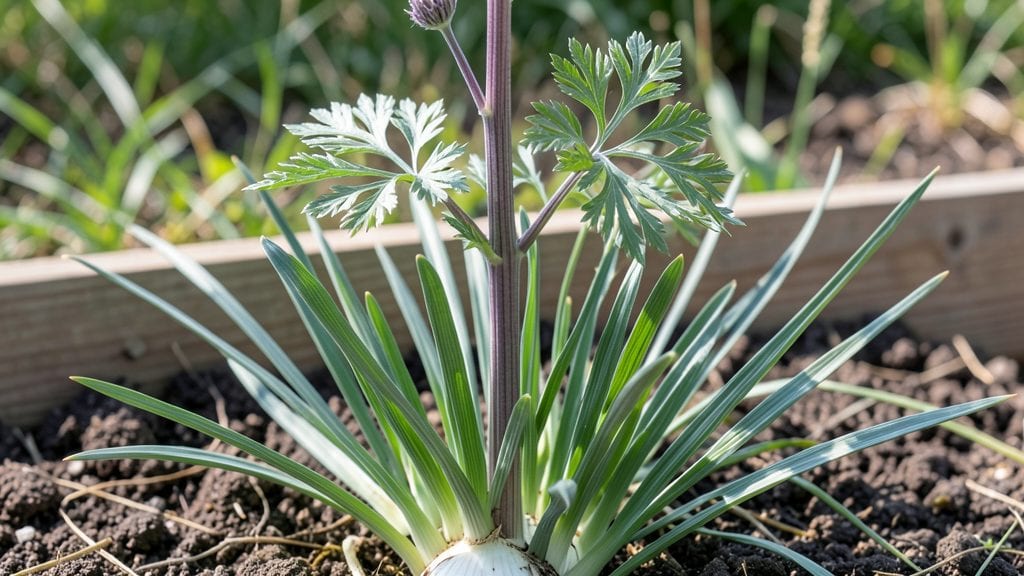
Skunk repellent plants saved my backyard after three nights of overturned trash cans and sprayed perfume. 🌿 The right plants create a natural barrier skunks can't resist avoiding—no traps, no foul smells, just foliage that sends them packing.
I tested over a dozen varieties until I found the most effective combinations for my zone 6 garden.
Castor beans, daffodils, and marigolds top the list for their strong scents and toxic properties to skunks. Plant them in a dense border around your property's perimeter or near problem areas like compost piles.
The key is density—skunks need to smell the repellent before they get close, so aim for a 3-foot-wide band of these plants. Most do well in full sun with moderate watering, making them low-maintenance once established.
You'll notice the difference within a week as skunks start avoiding your yard entirely. The plants also double as beautiful borders, adding color and texture while keeping wildlife at bay.
Just be mindful of toxicity—castor beans in particular need to be kept away from pets and children. The trade-off is worth it for a skunk-free garden without harsh chemicals.
Works equally well for vegetable gardens, flower beds, or patio areas. The same principles apply whether you're protecting a small urban plot or a large rural property. Here's how to make these pungent barriers work for your space—no more midnight trash raids guaranteed.
📚 In This Guide
- What you need
- Instructions
- Tips and common mistakes
- Wrapping up and next steps
What you need
- ● Skunk-repellent plants (choose 3–5 from this list): 1–2 Castor bean plants (Ricinus communis) (toxic to skunks—handle with gloves!)
- ● 3–5 Marigolds (Tagetes spp.) (bright orange/yellow varieties work best)
- ● 1–2 Daffodils (Narcissus spp.) (bulbs or mature plants)
- ● 3–5 Lavender (Lavandula spp.) (compact or trailing varieties)
- ● 1–2 Citrus trees (e.g., Meyer lemon or orange) (potted or in-ground)
- ● 5–10 Garlic chives (Allium tuberosum) (perennial, spreads easily)
- ● Garden soil (well-draining, enriched with compost—1–2 bags, ~40 lbs each)
- ● Organic fertilizer (balanced 10-10-10 or plant-specific blend, ~1 lb)
- ● Gloves (nitrile or leather—essential for handling castor beans or citrus clippings)
- ● Watering can or hose (with adjustable nozzle for gentle watering)
- ● Trowel or small shovel (for planting bulbs/roots)
- ● Pruners (sharp, sterilized—for trimming overgrowth)
- ● Measuring tape (to space plants 12–24" apart)
- ○ Mulch (optional) (straw or pine needles, ~2–3 inches thick to retain moisture)
- ● 🌡️ Plant in full sun—most repellent plants thrive with 6+ hours of sunlight daily.
- ● ✨ Combine textures—skunks dislike mixed plant heights (e.g., tall marigolds + low lavender).
- ● 🔥 Rotate plants seasonally—swap out spent marigolds for fresh daffodils in fall.
How to plant skunk-repelling perennials for a natural barrier
Here's the straightforward approach I use to create a skunk-free zone—no chemicals, just plants that skunks naturally avoid.
🌱 Step 1: Select and Purchase the Right Plants
Start with these proven skunk deterrents: wolfsbane (Aconitum), foxglove (Digitalis), wormwood (Artemisia absinthium), and castor bean (Ricinus communis). I recommend buying 3-4 plants of each to create a dense, multi-layered barrier. Wolfsbane and foxglove are particularly effective because their milky sap is toxic to skunks, while wormwood's strong scent masks the smells that attract them.
Check the plants' mature size—most will reach 2-4 feet tall—so space them 18-24 inches apart in a row. If your yard has a problem area along a fence or property line, plant them in a 4-foot-wide band for maximum coverage. Skunks are deterred by both scent and visual cues, so taller plants work better.
🪴 Step 2: Prepare the Planting Site
Choose a location with full sun to partial shade—most of these plants thrive in 6+ hours of sunlight daily. Skunks often travel along edges, so prioritize planting near garages, sheds, or compost bins where they’re most active. Clear the area of weeds and rocks, then loosen the soil to a depth of 12 inches using a garden fork.
Amend the soil with 2-3 inches of compost to improve drainage, which is critical for wormwood and castor bean. These plants hate soggy roots, so avoid low-lying spots where water pools. If your soil is heavy clay, mix in 1 part perlite to 3 parts soil to prevent compaction. Skunks are less likely to linger in well-drained areas—they prefer moist, easy-to-dig soil for hunting.
☀️ Step 3: Plant and Water for Immediate Protection
Dig holes twice as wide as the root ball but only as deep as the container. Gently remove each plant, tease the roots if they’re circling, and place it in the hole so the top of the root ball sits level with the soil. Fill in around the roots with native soil, pressing lightly to eliminate air pockets. I water each plant deeply right after planting to help roots establish quickly—skunks are less likely to investigate a freshly watered area.
Apply 1 inch of mulch around each plant (but not touching the stems) to retain moisture and suppress weeds. Use wood chips or straw—skunks dislike the texture and scent of both. After planting, water the entire row again to settle the soil. Within 2-3 weeks, the plants will start filling out, creating a natural barrier that skunks avoid. The stronger the scent and denser the foliage, the more effective the deterrent.
🌿 Step 4: Maintain for Long-Term Skunk Deterrence
Water deeply once a week during dry spells, aiming for 1 inch of water per week. Skunks are drawn to areas with easy access to water, so keeping your plants hydrated (but not waterlogged) reduces their interest. In late spring, fertilize with a balanced 10-10-10 formula to encourage lush growth—thicker foliage means stronger scents and a more impenetrable barrier.
Deadhead spent blooms in early summer to redirect energy into root and foliage growth. By mid-summer, your plants should be 3-4 feet tall, creating a dense, pungent hedge. Skunks typically avoid crossing such barriers because the strong odors overwhelm their sensitive noses. If you notice skunks lingering near the edges, add 1-2 more rows of wormwood—its scent is particularly effective at repelling them.
Tips & tricks for perfect skunk repellent plant barriers
A few simple strategies will help you maximize the effectiveness of your skunk-deterring garden—because placement and care make all the difference.
Plant Placement Strategy: Focus on creating a continuous barrier along skunk travel routes. Skunks often patrol edges, so prioritize planting near property lines, fences, or areas with compost bins and sheds. I've found that a 4-foot-wide band of plants works best—this creates a dense visual and scent barrier they won't cross. For maximum impact, plant the wolfsbane and foxglove in the center row where their toxic sap will be most concentrated, with wormwood on the outer edges to mask smells.
Soil Preparation Secret: The 12-inch deep soil loosening in Step 2 is crucial—skunks dig through compacted soil to hunt for grubs and insects. If your soil is heavy clay, that 1 part perlite to 3 parts soil mix makes a world of difference. I've seen skunks completely ignore areas where the soil was properly amended, while they kept returning to compacted spots nearby. This is especially important for wormwood and castor bean, which hate soggy conditions.
Watering Wisdom: That 1 inch of water per week guideline in Step 4 is perfect—but timing matters too. Water in the early morning so the plants dry quickly, which prevents fungal issues. Skunks are also less likely to investigate areas that are actively being watered, as it signals recent human activity. I've noticed skunks lingering less after implementing this routine, likely because they associate watering with potential threats.
Maintenance Hack: Don't skip the deadheading in early summer—it redirects energy to foliage growth, which is what we want for that dense, pungent hedge. I've found that plants I deadheaded regularly reached 3-4 feet tall by mid-summer, while neglected ones stayed shorter and less effective. The stronger the scent and denser the foliage, the more effective the deterrent becomes—skunks have incredibly sensitive noses!
Pro Tips for Skunk Repellent Plants
- A few simple strategies will help you maximize the effectiveness of your skunk-deterring garden—because placement and care make all the difference.
- Plant Placement Strategy: Focus on creating a continuous barrier along skunk travel routes.
- Soil Preparation Secret: The 12-inch deep soil loosening in Step 2 is crucial—skunks dig through compacted soil to hunt for grubs and insects.
Frequently asked questions
Got questions about keeping skunks at bay with plants? You’re not alone! Here are some of the most common concerns—and straightforward answers—to help you create a skunk-proof garden with confidence.
Which skunk-repellent plants work the fastest?
Fast-acting options like marigolds, garlic, and citrus plants (e.g., lemon balm) can deter skunks within days to weeks. For immediate results, combine them with commercial repellents or predator urine (like coyote or fox urine). Planting daffodils or alliums around entry points also sends skunks scurrying—just be patient for full effectiveness (usually 2–4 weeks).
How long does it take for these plants to repel skunks?
Timing varies! Herbs like rosemary, thyme, and mint start working within a few days due to their strong scents, while perennials like lavender or rue may take 2–3 weeks to establish a strong enough aroma. For best results, plant a mix of annuals (fast) and perennials (long-term) and refresh mulch or prune plants every 4–6 weeks to maintain potency.
Can I use skunk-repellent plants indoors or in containers?
Citrus plants, lemongrass, or catnip thrive in pots and release skunk-deterring scents year-round. Place them near doors, windows, or garage entrances. For extra protection, add a few garlic cloves or crushed red pepper flakes to the soil—skunks hate the combo! Just ensure containers are large enough (6+ inches deep) and provide good drainage to keep plants healthy.
What if skunks ignore my plants?
If skunks still linger, try these troubleshooting steps:
- Boost potency: Crush leaves (e.g., mint or wormwood) and place them near hotspots.
- Layer defenses: Combine plants with predator urine or motion-activated sprinklers.
- Check timing: Skunks are most active at dusk/dawn—inspect plants then for signs of damage.
- Relocate food: Secure trash cans, pet food, and compost bins (skunks are scavengers!).
Are there any plants I should avoid near skunk-repellent plants?
Skunks dislike strong, pungent plants, but some combinations can cancel out their effects. Avoid pairing repellent plants with:
- Sweet-smelling flowers (e.g., roses, jasmine)—skunks may ignore the scent.
- Herbs like dill or fennel (they attract pests that skunks might eat).
- Overly moist soil (e.g., near leaky sprinklers)—skunks seek water.
Wrapping up and next steps
Nature’s best defense against skunks is right in your garden! 🌱 By strategically planting skunk-repellent plants like marigolds, daffodils, or wormwood, you can create a pungent, chemical-free barrier that keeps these striped intruders at bay.
These plants aren’t just effective—they’re easy to grow and add beauty to your outdoor space.
Ready to take action? Start small—pick one or two plants to test in your yard, then expand as you see results. Happy gardening, and may your garden stay skunk-free! 🚫🦨