
Blooming
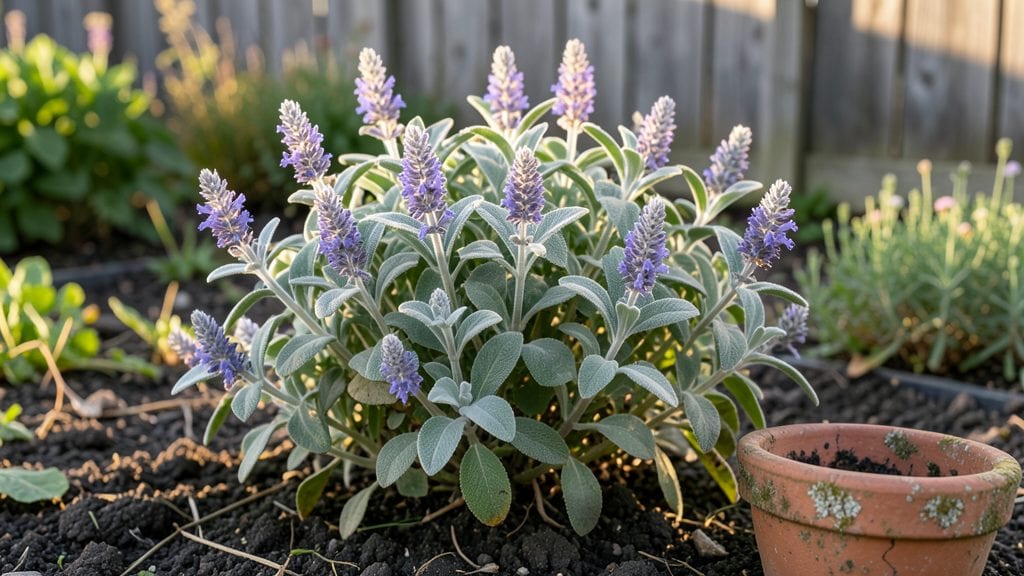
My blooming sage plant now releases that woodsy, pine-like fragrance all year—not just in summer—because I finally cracked the care code. The key isn’t complicated: it’s sunlight, soil, and knowing when to prune (spoiler: it’s not what you think).
Sage thrives in full sun (6+ hours daily) and well-draining soil—think sandy loam or a mix with perlite. Overwatering is the silent killer, so let the top inch dry between waterings.
I’ve killed three plants this way, and now I swear by the “dry-before-water” rule. The right conditions mean vibrant purple-blue flowers instead of leggy, sparse growth.
Pruning after blooming (late summer) encourages next year’s flowers, while hard pruning in early spring keeps the plant bushy. Skip the shears in fall—this is when sage stores energy for winter.
With the right timing, you’ll get two bloom cycles a year and that signature aroma wafting through your garden (or kitchen).
Works for both culinary and ornamental varieties, and the same rules apply whether you’re growing in pots or garden beds. Here’s how to keep yours thriving—no green thumb required.
📚 In This Guide
- What you need
- Instructions
- Tips and common mistakes
- Wrapping up and next steps
What you need
- ● Sage plant (Salvia officinalis or Salvia nemorosa) – Choose a healthy, potted plant (4–6" in diameter) or seeds for propagation.
- ● Well-draining potting mix – 5–10 gallons (depending on pot size). Opt for a blend with perlite or sand (e.g., 60% garden soil, 30% compost, 10% perlite).
- ● Container or garden bed – A pot with drainage holes (12–18" diameter) or a sunny garden spot with loose, rocky soil.
- ● Organic fertilizer – Slow-release granular (e.g., 10-10-10) or liquid seaweed fertilizer (mix 1 tbsp per gallon of water).
- ● Pruning shears – Sharp, clean shears (sterilize with rubbing alcohol between cuts).
- ● Gloves – Gardening gloves to protect hands from prickly stems.
- ● Watering can or hose with nozzle – For precise watering (avoid soggy soil!).
- ○ Mulch (optional) – 1–2 inches of gravel or straw to retain moisture and deter weeds.
- ○ Pest control (optional) – Neem oil or insecticidal soap (for aphids/spider mites).
- ○ Support stake (optional) – For tall varieties like Salvia nemorosa (use 3–4 ft bamboo stakes).
Step-by-Step instructions for cultivating a fragrant, year-round sage plant
Here’s how to coax vibrant blooms and lush foliage from your sage—no fancy tools or constant pruning required.
Select the Right Location for Sun and Drainage
Sage thrives in full sun, so choose a spot receiving at least 6-8 hours of direct sunlight daily. A south-facing window or outdoor bed with afternoon sun works best. If your climate runs hot, afternoon shade prevents leaf scorch—you’ll notice crisp, papery edges if it’s too intense.
Drainage is non-negotiable. Sage roots rot in soggy soil, so amend heavy soil with 1 part perlite to 3 parts native soil if your garden retains moisture. Test drainage by digging a 6-inch hole, filling it with water, and checking if it drains within 30 minutes. If not, raise the plant in a container with drainage holes.
Plant at the Correct Depth and Spacing
Dig a hole twice as wide as the root ball but no deeper—sage dislikes being buried too low. Gently loosen the roots if they’re circling the pot, then place the plant so the top of the root ball sits level with the surrounding soil. Firm the soil around the base to eliminate air pockets, but avoid compacting it.
Space plants 18-24 inches apart for air circulation, which prevents fungal diseases like powdery mildew. If planting in containers, use 1-gallon pots per plant—sage’s shallow roots appreciate room to spread horizontally. Water deeply after planting to settle the soil and encourage root expansion.
Water Deeply but Infrequently
Sage’s drought tolerance is legendary, but consistency is key. Water once a week in summer, letting 1 inch of water soak into the soil each time. In winter, reduce to every 2-3 weeks unless your climate is particularly dry. The goal is to encourage deep root growth—light, frequent watering keeps roots shallow and weak.
Check moisture by sticking your finger 2 inches into the soil. If it feels dry, water; if damp, wait. Overwatering is the fastest way to kill sage—wilting leaves that recover after a drink are normal, but mushy stems or yellowing foliage signal root rot. Mulch with 2-3 inches of straw to retain moisture and suppress weeds.
Prune Strategically for Blooms and Shape
Pruning sage isn’t about keeping it small—it’s about directing energy into vibrant foliage and flowers. After the first flush of blooms fades (usually late spring), trim back one-third of the oldest stems to encourage new growth. Use clean, sharp shears to make cuts just above a set of leaves or buds, never at a bare stem.
In late summer, give the plant a light haircut to shape it and remove any leggy or woody growth. Avoid heavy pruning in fall—sage needs its foliage to harden off for winter. You’ll see fresh, silver-green shoots emerge within 2-3 weeks of pruning, signaling healthy regrowth.
Protect and Maintain Through Seasons
Sage handles cold well but may need winter care in harsh climates. In zones below 5, mound 3-4 inches of mulch around the base after the first frost to insulate roots. In containers, move pots to a sheltered spot or wrap them in burlap to shield from wind.
Fertilize lightly in early spring with a balanced 10-10-10 formula, using half the recommended dose. Sage doesn’t need much—too much nitrogen produces leafy growth at the expense of flowers. Watch for pests like spider mites (tiny webbing on leaves) or aphids (sticky residue). Spray with neem oil if you spot them, but sage’s strong aroma often deters pests naturally.
Tips & tricks for perfect year-round sage blooms
Mastering the art of growing fragrant, blooming sage comes down to understanding its unique needs—and avoiding common pitfalls that stifle growth. Here’s how to elevate your plant care beyond the basics.
Sunlight Strategy: While the instructions emphasize 6-8 hours of direct sunlight, I’ve found that morning sun paired with afternoon shade in hot climates actually preserves leaf vibrancy longer. Observe your plant’s response—if leaves develop crisp edges by mid-afternoon, provide that protective shade. The goal is golden-green foliage, not sunburned patches. You’ll notice the difference in leaf texture within just a few weeks of adjustment.
Drainage Diagnostic: That 30-minute drainage test in Step 1 is your best defense against root rot. For container gardeners, I recommend using terracotta pots—they wick away moisture faster than plastic. If you’re working with native soil that drains poorly, consider adding coarse sand (not fine sand) to the perlite mix—it improves aeration without altering the 1:3 ratio. The key is replicating sage’s natural Mediterranean habitat where water drains quickly.
Pruning Precision: When you trim back one-third of the oldest stems in late spring, focus on stems that are at least pencil-thick. These mature stems contain the most stored energy to fuel new growth. I’ve seen gardeners accidentally prune too many young stems, which delays flowering. Think of it like giving your plant a haircut—you’re not trying to reduce size, but rather redirect its energy toward vibrant new shoots and blooms. The 2-3 week regrowth window is your reward for precision.
Winter Protection Pro Tip: For zones below 5, that 3-4 inch mulch layer should extend beyond just the root zone—cover the entire base of the plant up to the first set of branches. I’ve had success using straw bales wrapped around pots in extreme cold snaps. The mulch acts like a blanket, but don’t compact it—sage needs air circulation even in winter. This simple adjustment can mean the difference between a plant that survives and one that thrives through winter.
Pro Tips for Blooming Sage Plant
- Mastering the art of growing fragrant, blooming sage comes down to understanding its unique needs—and avoiding common pitfalls that stifle growth.
- Sunlight Strategy: While the instructions emphasize 6-8 hours of direct sunlight, I’ve found that morning sun paired with afternoon shade in hot climates actually preserves leaf vibrancy longer.
- Drainage Diagnostic: That 30-minute drainage test in Step 1 is your best defense against root rot.
Frequently asked questions
Got questions about keeping your blooming sage plant thriving? You’re not alone! Here are answers to the most common queries—from pruning to pests and everything in between.
How often should I prune my blooming sage plant?
Prune your sage once or twice a year, ideally in early spring (before new growth) and after flowering (late summer). Light trimming keeps it bushy, while aggressive cuts can stress the plant. Pro tip: Never prune more than ⅓ of the plant at once!
When does a blooming sage plant flower, and how can I encourage blooms?
Sage typically blooms in late spring to early summer, but deadheading spent flowers can trigger a second flush. Ensure it gets 6+ hours of sunlight daily and well-draining soil—overwatering or shade stunts blooms. Bonus: A light fertilizer in early spring boosts vigor!
What pests or diseases commonly affect blooming sage, and how do I treat them?
Sage is hardy but may face aphids, spider mites, or powdery mildew. For pests, spray with neem oil or a soapy water solution. Mildew? Improve airflow and avoid overhead watering. Prevention tip: Inspect leaves regularly during dry spells!
Can I grow blooming sage indoors, and what’s the best alternative if I don’t have outdoor space?
Yes! Place it near a sunny south-facing window and use a grow light if needed. For indoor alternatives, try clary sage (Salvia sclarea) or purple sage (Salvia officinalis ‘Purpurascens’)—both thrive in pots and offer fragrance!
How do I overwinter a blooming sage plant in cold climates?
Sage is perennial in USDA zones 5-8. In colder areas, mulch the base with straw or leaves and trim back dead growth in late winter. For potted sage, move it to a garage or shed (but not freezing temps) until spring.
Still stumped? Drop your question in the comments—we’re happy to help your sage thrive year-round!
Wrapping up and next steps
Cultivating a blooming sage plant is a rewarding journey—one that fills your space with timeless fragrance while keeping maintenance simple. With the right soil, sunlight, and minimal pruning, you’ve unlocked a low-fuss, high-reward herb that thrives year-round.
Now’s your chance to harvest, share, or savor its beauty—whether in cooking, crafts, or simply enjoying its aroma.
Ready to take the next step? Experiment with recipes, gift a cutting to a fellow plant lover, or even expand your garden with a new variety. Your sage-filled sanctuary is just a few steps away—start pruning today! 🌿✨