
Companion Plants
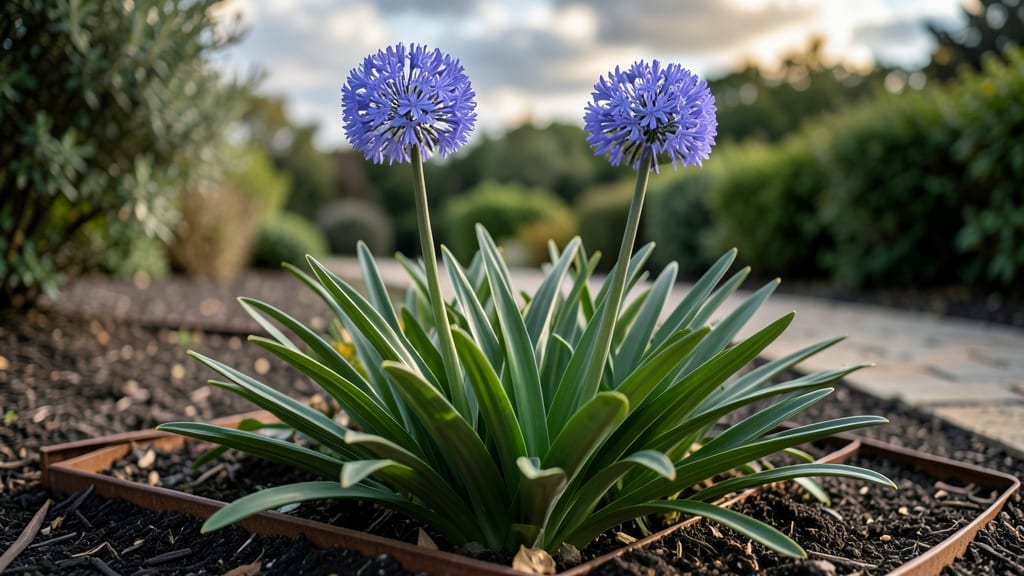
Blue-purple plants are the secret weapon for gardens that look like a painter’s palette exploded in joy. ✨ I’ve filled my own borders with these velvety hues, and they never fail to turn heads—whether it’s the deep violet of Russian sage swaying in the breeze or the silvery-blue foliage of lamb’s ear that feels like touching a cloud.
The best part? Many thrive on neglect, so you get drama without the fuss.
These plants love full sun but adapt to partial shade, making them perfect for borders, containers, or even that tricky spot under a tree. Pair a 3-foot-tall lavender bush with dusty miller for a contrast that pops, or tuck compact salvia into window boxes for cascading color.
The key is matching their water needs—most prefer well-drained soil and occasional sips, not soggy roots.
Imagine a garden where every season brings new shades of blue-purple: spring’s periwinkle phlox, summer’s indigo clematis, and fall’s plum asters. The foliage alone—think purple-leaf sand cherry or blue hosta—adds texture that keeps things interesting even when flowers fade.
These plants play well together, so you can mix heights, textures, and bloom times for a show that lasts.
Start small with a single container or a 6-inch border of catmint, then expand as you fall in love with their resilience. The color stays vibrant with minimal deadheading, and the scent—especially from lavender or sage—makes your garden feel like a sanctuary.
Here’s how to mix and match them without the guesswork.
📚 In This Guide
- What you need
- Instructions
- Tips and common mistakes
- Wrapping up and next steps
What you need
- ● Blue-purple plants: Choose from varieties like Heuchera (Coral Bells), Lobelia, Agapanthus, or Dianthus. Opt for 3–5 mature plants (4–6" pots) or 10–15 seedlings for fuller coverage.
- ● Well-draining potting mix: 1–2 bags (1–2 cubic feet each) of a high-quality blend (e.g., Miracle-Gro Potting Mix or Black Gold Natural & Organic). For containers, mix in 20% perlite or sand to prevent root rot.
- ● Containers or garden space: For containers: 1–3 pots (10–14" diameter) with drainage holes. Terracotta or fabric pots work best.
- ● For garden beds: Ensure 6+ hours of sunlight daily (partial shade for delicate varieties like Lobelia). Amend soil with 2–3 inches of compost.
- ● Fertilizer: A balanced, slow-release fertilizer (10-10-10) or organic options like fish emulsion. Use 1 tbsp per plant at planting and every 6–8 weeks.
- ● Watering can or hose with a gentle spray nozzle: Blue-purple plants prefer consistent moisture but hate soggy roots. A 1-gallon watering can suffices for containers.
- ● Pruning shears: Small, sharp shears (e.g., Fiskars Steel) for trimming dead foliage or shaping plants.
- ● Mulch: 2–3 inches of shredded bark or straw mulch to retain moisture and suppress weeds.
- ● Plant supports: Tall varieties (e.g., Agapanthus) may need 1–2 bamboo stakes or cages for stability.
- ● Slow-release watering granules: (e.g., Poly-Hydro) for 2–4 weeks of hydration during travel or vacations.
- ● Decorative stones or pebbles: For a polished look in containers, use ½–1 inch of pebbles on top of soil.
- ● Garden gloves: Protect your hands while handling Heuchera (fuzzy leaves) or Dianthus (thorny stems).
Step-by-Step guide to growing blue-purple plants for year-round color
Here’s how to cultivate striking blue-purple foliage and flowers that stay vibrant with minimal fuss.
🌱 Step 1: Select the Right Blue-Purple Varieties for Your Climate
Start with cold-hardy perennials like heuchera (coral bells), lamium (dead nettle), or ajuga (bugleweed) for year-round color. These thrive in zones 3-9 with minimal care. Annuals like cleome (spider flower) or salvia (sage) offer bold pops in warmer months. I always check each plant’s mature size—crowding leads to leggy stems and faded hues.
For containers, pair purple basil with blue lobelia for a striking contrast. Mixing textures (fine foliage with broad leaves) keeps the display dynamic. Avoid placing blue-purple plants near yellow or orange—those colors clash and dull the vibrancy you’re after.
☀️ Step 2: Plant in Well-Draining Soil with Partial Sun
Most blue-purple plants prefer morning sun and afternoon shade, especially in hot climates. Too much direct sun bleaches foliage, while too little shade makes colors muted. Amend your soil with 1 part compost per 3 parts native soil to boost drainage and nutrient retention.
Dig holes twice as wide as the root ball but no deeper. Gently tease out roots if they’re circling—this encourages outward growth. Water deeply before planting to help roots settle. I always firm soil around the base with my fingers, then water again to eliminate air pockets.
💧 Step 3: Water Deeply but Infrequently
Blue-purple plants hate soggy roots, so water only when the top 2 inches of soil feel dry. Overwatering causes root rot, which turns leaves yellow and dulls their signature hues. I use a moisture meter to check—if it reads dry at 2 inches, it’s time to water.
For containers, let soil dry out completely between waterings. Mulch with 1 inch of shredded bark to retain moisture and suppress weeds. Avoid wetting foliage when watering—this prevents fungal spots that mar the color.
✂️ Step 4: Prune to Encourage Bushier Growth
Pinch back leggy stems in early spring to promote compact growth. Cut just above a leaf node where new shoots will emerge. For flowering plants like salvia, deadhead spent blooms to redirect energy into fresh color. I always use clean, sharp scissors to avoid tearing stems.
In fall, trim back any brown or damaged foliage but leave healthy stems intact. Many blue-purple plants, like heuchera, grow back from the ground up—cutting too aggressively removes next year’s growth. Leave 2-3 inches of stem unless the plant is completely spent.
🪴 Step 5: Fertilize Lightly for Vibrant Color
Feed with a balanced, slow-release fertilizer (10-10-10) in early spring and again after flowering. Too much nitrogen makes foliage grow fast but dulls the blue-purple tones. I mix in ½ teaspoon per square foot and water it in thoroughly.
For container plants, use a water-soluble fertilizer diluted to half strength every 4-6 weeks. Avoid high-phosphorus blends—they encourage lush green growth at the expense of your signature colors. Always water before fertilizing to prevent root burn.
Tips & tricks for perfect blue-purple plant displays
A few strategic moves can transform your blue-purple plant garden from merely pretty to show-stopping vibrant. Here's what I've learned after years of experimenting with these stunning varieties.
Variety Pairing Secret: In Step 1, when selecting your plants, I recommend pairing broad-leaved heuchera with fine-textured ajuga for maximum visual impact. The contrast between their leaf shapes creates depth that flatters the blue-purple hues. For containers, I always include at least one trailing plant like blue lobelia to spill over edges—this adds dimension and draws the eye downward, making your display look fuller. The key is creating visual texture that makes the colors pop against each other rather than compete.
Soil Science: The 1 part compost to 3 parts native soil ratio in Step 2 is perfect, but here's the trick: if your native soil is particularly dense clay, increase the compost ratio to 1:2. I've found that blue-purple plants actually prefer slightly acidic soil (pH 6.0-6.5)—you can test this with a simple soil kit. The right soil pH prevents the color from fading to a muddy brown, which is a common problem I see in alkaline soils. For containers, mix in perlite to boost drainage—this prevents the root rot that dulls those signature hues.
Pruning Precision: When you're deadheading in Step 4, focus on removing only the spent blooms—not the entire flower stem. Cut just above the next set of healthy leaves to encourage new growth from that node. For heuchera specifically, I've found that leaving the old foliage through winter provides protection for the crown while still looking attractive. The 2-3 inch stem rule works, but I often leave more on heuchera to preserve next year's growth. Use sharp, clean pruners to avoid tearing stems, which can introduce bacterial infections that weaken the plant.
Fertilizer Timing: The balanced 10-10-10 fertilizer recommendation is spot-on, but here's my pro tip: apply it when you see new growth emerging in spring, not just at planting time. For container plants, I switch to a liquid seaweed fertilizer during the growing season—it provides micronutrients that enhance those vibrant colors without the risk of root burn. Always water thoroughly after fertilizing to prevent salt buildup in the soil, which can stress your plants and dull their color intensity.
Pro Tips for Blue Purple Plants
- A few strategic moves can transform your blue-purple plant garden from merely pretty to show-stopping vibrant.
- Variety Pairing Secret: In Step 1, when selecting your plants, I recommend pairing broad-leaved heuchera with fine-textured ajuga for maximum visual impact.
- Soil Science: The 1 part compost to 3 parts native soil ratio in Step 2 is perfect, but here's the trick: if your native soil is particularly dense clay, increase the compost ratio to 1:2.
Frequently asked questions
Got questions about blue-purple plants?
You’re not alone! Here are some of the most common queries—plus quick, easy answers to help you grow stunning, low-maintenance foliage that pops year-round.
What are the easiest blue-purple plants for beginners?
Start with Heuchera (coral bells), Lobelia, or Coleus—they’re tough, adaptable, and thrive in partial shade. For bold color, try Agastache (hyssop) or Salvia. All love well-draining soil and consistent moisture but tolerate neglect once established!
How long does it take for blue-purple plants to show their true color?
Most blue-purple plants reveal their vibrant hues within 4–8 weeks of planting, especially when given morning sun and rich, slightly acidic soil (pH 6.0–7.0). Heuchera and Lobelia may take longer (up to 3 months) if planted in hot summer heat—try transplanting in spring or fall for faster results.
Do blue-purple plants need special watering?
Not really! Most prefer consistent moisture (about 1 inch per week) but drain well—overwatering causes yellowing. Drought-tolerant picks like Agastache or Sedum need less, while Lobelia stays lush with frequent light watering. Pro tip: Mulch to retain moisture and protect roots from temperature swings!
Can I mix blue-purple plants with other colors for a striking garden?
Pair purple foliage with silver (Artemisia), chartreuse (Hostas), or deep red (Caladiums) for high contrast. For flowers, try blue salvia + yellow coreopsis—the combo pops in containers or borders. Just avoid overwhelming shades like neon orange!
Why are my blue-purple plants losing their color?
Color fade usually means too much sun (bleaching) or nutrient deficiency (especially iron or magnesium). Move plants to partial shade if leaves turn pale, or amend soil with compost or chelated iron. Yellowing edges? Check for overwatering or salt buildup—flush soil with water if needed.
Wrapping up and next steps
From heucheras, blue-purple plants bring effortless elegance to any garden—and they’re tougher than they look! These low-maintenance beauties thrive with just a little sunlight and care, proving that stunning color doesn’t require endless work.
Whether you’re a seasoned gardener or just starting out, embrace the vibrancy and let these plants do the heavy lifting.
Ready to transform your space? Pick one (or three!) of these standout varieties and start planting today—your garden’s next masterpiece is just a seed away! 🌿✨