
Pests
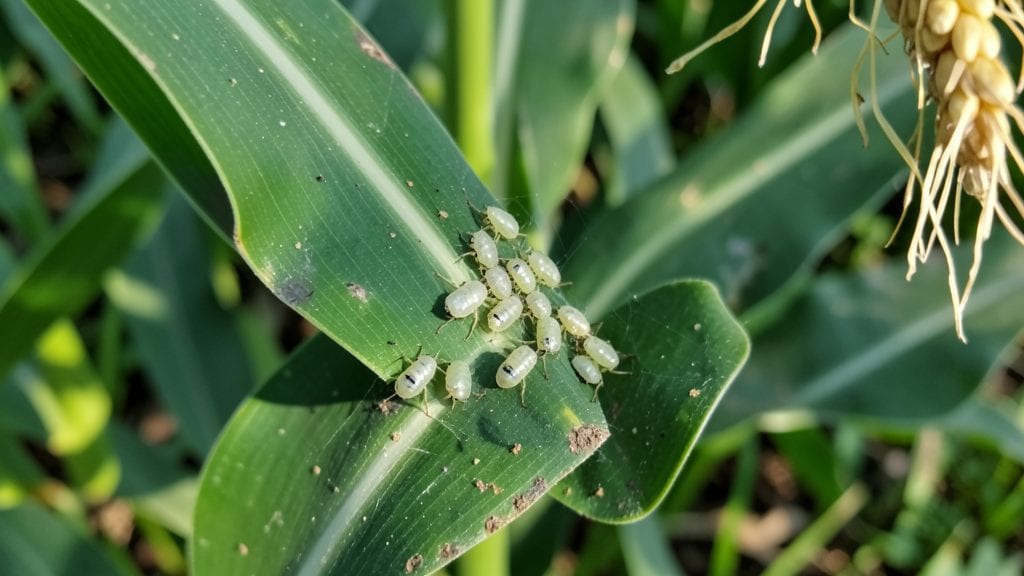
Bugs on corn plants can turn a promising harvest into a chewed-up disappointment in no time. I’ve lost entire ears to those tiny invaders, but I’ve also learned how to spot them early and stop them before they ruin your crop.
The key is knowing what to look for—and acting fast.
Most corn pests leave telltale signs: silken tunnels in ears, chewed leaves, or wilting stalks. Corn earworms hide inside husks, while aphids cluster on new growth, leaving sticky residue. Rootworms?
They gnaw at roots, causing plants to wobble like they’re drunk. The good news? Organic solutions like neem oil, row covers, and beneficial nematodes work better than you’d think.
Within a week of treatment, you’ll see fewer holes in leaves and healthier stalks. The best part? These methods protect your soil and future harvests too. No more guessing—just quick fixes that actually work. Let’s get your corn back on track.
Whether you’re dealing with a sudden infestation or just want to prevent one, this guide covers the most common pests and the fastest ways to handle them. No complicated steps—just practical, garden-tested solutions.
Root Causes Of Corn Pests
Cornfields can become a buffet for unwanted critters, but understanding why these pests show up helps you fight back smarter. Here’s a breakdown of the key triggers turning your corn into a bug magnet:
Corn plants under stress—whether from poor spacing, nutrient deficiencies, or disease—become prime targets for pests. Why?
- Thin or stunted plants lack the energy to fend off invaders like corn earworms or aphids.
- Overcrowding creates humid microclimates, perfect for fungal pests (e.g., Ustilago maydis, the causal agent of smut) and soft-bodied insects.
- Nitrogen-heavy soils (too much fertilizer) can attract sap-sucking pests like corn leaf aphids, which thrive on tender, fast-growing foliage.
Actionable fix: Space plants 8–12 inches apart, rotate crops annually, and test soil pH (aim for 6.0–6.8) to balance nutrients.
Corn is a heavy feeder, and planting it in the same spot year after year depletes soil health—and invites pests. How?
- Residual pests (e.g., corn rootworms) overwinter in the soil and re-infest new corn crops.
- Weed hosts (like foxtail grass) harbor pests that jump to corn, such as fall armyworms.
- Disease carryover (e.g., Bipolaris maydis, causing leaf blight) weakens plants, making them easier prey.
Actionable fix: Rotate with non-grass crops (e.g., legumes, brassicas) every 3 years. Plant cover crops like clover to disrupt pest life cycles.
Cornfields lacking biodiversity attract pests because they offer no natural predators. Key imbalances:
- Monoculture planting removes habitat for beneficial insects (e.g., lady beetles, parasitic wasps) that eat corn pests.
- Pesticide overuse wipes out pollinators and predators, creating a vacuum that pests rush to fill.
- Lack of floral diversity starves predatory insects of nectar, weakening their populations.
Actionable fix: Plant pollinator-friendly borders (e.g., marigolds, dill) near cornfields. Reduce broad-spectrum sprays and use row covers early in the season.
Extreme weather disrupts natural pest control and accelerates infestations. How climate plays a role:
- Drought stress weakens plants, making them more susceptible to borers (e.g., Diatraea species).
- Excess moisture promotes fungal pests (e.g., Fusarium ear rot) and soft-bodied insects like thrips.
- Warmer winters allow pests like corn earworms to survive longer, extending their damage window.
Actionable fix: Monitor weather forecasts and use mulch (straw or grass clippings) to regulate soil moisture. Choose drought-tolerant corn varieties if your region is prone to dry spells.
Modern farming practices—while efficient—can inadvertently create pest havens. Examples:
- Irrigation runoff concentrates pests in low-lying areas, creating hotspots for stink bugs or chinch bugs.
- Harvesting leftover stalks removes habitat for pest predators, leaving fields vulnerable.
- Global trade introduces invasive species (e.g., fall armyworm, a major threat since 2016).
Actionable fix: Practice integrated pest management (IPM)—scout fields regularly, remove crop residue post-harvest, and report suspicious pests to local agricultural extensions.
Pro Tip: 💡 Early detection is key! Walk your fields weekly (especially at dawn or dusk) to spot pests before they explode in numbers. A hand lens helps ID nymphs or eggs hiding in leaf axils.
Quick Fixes for Corn Plant Pests
Got bugs munching on your corn? Don’t panic—most infestations can be stopped with targeted, organic solutions. Below, we’ve mapped out the best fixes for common culprits, from chewy caterpillars to sap-sucking pests, plus prevention tips to keep your plants thriving. 🌱🐛
Signs: Ragged holes in leaves, missing kernels, or silken tubes in ears. Why it happens: Eggs laid on silks or leaves hatch into hungry caterpillars.
How to Fix It: 🔥 Trap & Remove Eggs Early
- Scout at dusk (when moths lay eggs) and handpick egg masses from silks or undersides of leaves. Drop them into soapy water.
- Use pheromone traps (like corn earworm traps) to disrupt mating cycles. Place them near the field edge.
🍳 Organic Sprays for Larvae
- Bacillus thuringiensis (Bt): A natural bacteria that kills caterpillars when ingested. Spray every 5–7 days during peak hatch (check local stores for organic Bt varieties).
- Neem oil spray: Mix 1 tbsp neem oil + 1 tsp mild soap per gallon of water. Spray evenly on leaves and silks at dawn or dusk to avoid harming bees.
👨🍳 Physical Barriers
- Corn earworm collars: Slip paper or cardboard collars around stalks before tasseling to block egg-laying moths. Secure with twine.
- Row covers: Use floating row covers over young plants to block adult moths. Remove when plants tassel to allow pollination.
⏰ Timing is Key
- Monitor silks daily during peak earworm season (late summer). If silks turn brown or dry out, act fast—larvae may already be inside.
Signs: Sticky residue (honeydew), curled leaves, or tiny webs on undersides. Why it happens: These pests thrive in dry, dusty conditions and multiply quickly.
How to Fix It: 💡 Blast Them Off
- Strong water spray: Use a hose with a nozzle to dislodge aphids from leaves. Do this early morning to avoid stressing plants.
- Soap spray: Mix 1 tbsp castile soap per quart of water. Spray directly on pests (avoid flowers to protect pollinators).
🌡️ Boost Beneficial Predators
- Ladybugs & lacewings: Release 1,000–2,000 ladybugs per acre or plant dill or fennel nearby to attract them naturally.
- Predatory mites: Introduce Phytoseiulus persimilis (a mite that eats spider mites) if infestations persist.
🎯 Preventive Care
- Mulch heavily to retain moisture (drought stress attracts mites).
- Prune yellowing leaves to reduce hiding spots.
Signs: Wilting, stunted growth, or larvae (white grubs) in soil. Why it happens: Adult beetles lay eggs in soil, and larvae gnaw on roots.
How to Fix It: 🔪 Rotate Crops
- Avoid planting corn in the same spot for 3+ years. Rotate with beans, peas, or grasses to break the life cycle.
🌱 Trap Crops
- Plant a small patch of sorghum or sudangrass nearby to lure rootworms away from your corn.
💪 Soil Treatments
- Beneficial nematodes: Apply Heterorhabditis bacteriophora to the soil (follow package rates). These microscopic worms kill grubs naturally.
- Diatomaceous earth: Sprinkle food-grade DE around the base of plants (reapply after rain). It dehydrates larvae but is safe for plants.
- 🌿 Healthy soil = strong plants: Amend soil with compost and mycorrhizal fungi to boost plant resilience.
- 🌞 Water deeply in the morning to deter aphids and mites (they hate humidity).
- 🕵️ Scout regularly: Check undersides of leaves, silks, and soil 2–3 times per week during peak pest seasons.
- 🌱 Companion planting: Interplant marigolds, basil, or nasturtiums to repel pests naturally.
Pro Tip: 💡 For severe infestations, combine methods—e.g., Bt spray + row covers + beneficial insects—for maximum impact.
Frequently asked questions about corn plant pests
What are the most destructive bugs attacking corn plants?
The top offenders include corn earworms (larvae that tunnel into ears), corn rootworms (larvae that chew roots), and aphids (which suck sap and spread disease). Fall armyworms and corn borers also cause significant damage by devouring leaves and stalks.
How do I tell if my corn has earworm damage?
Look for silken tunnels inside husks, chewed kernels, and frass (black droppings) in the ear. If silks turn brown or dry out prematurely, earworms are likely already inside. Check ears daily during peak season (late summer) to catch them early.
Can I use neem oil on corn plants with pests?
Yes, neem oil is effective against soft-bodied pests like aphids and spider mites. Mix 1 tablespoon neem oil + 1 teaspoon mild soap per gallon of water and spray at dawn or dusk. Avoid spraying during flowering to protect pollinators.
Why do my corn plants keep getting infested every year?
Repeated infestations often happen due to soil-borne pests (like rootworms) or poor crop rotation. Break the cycle by rotating crops every 3 years and planting trap crops (e.g., sorghum) to lure pests away. Healthy soil with compost also strengthens plant resistance.
Are there natural predators that help control corn pests?
Ladybugs, lacewings, and parasitic wasps prey on aphids and caterpillars. Plant dill, fennel, or marigolds nearby to attract them naturally. Release 1,000–2,000 ladybugs per acre during outbreaks for faster results.